
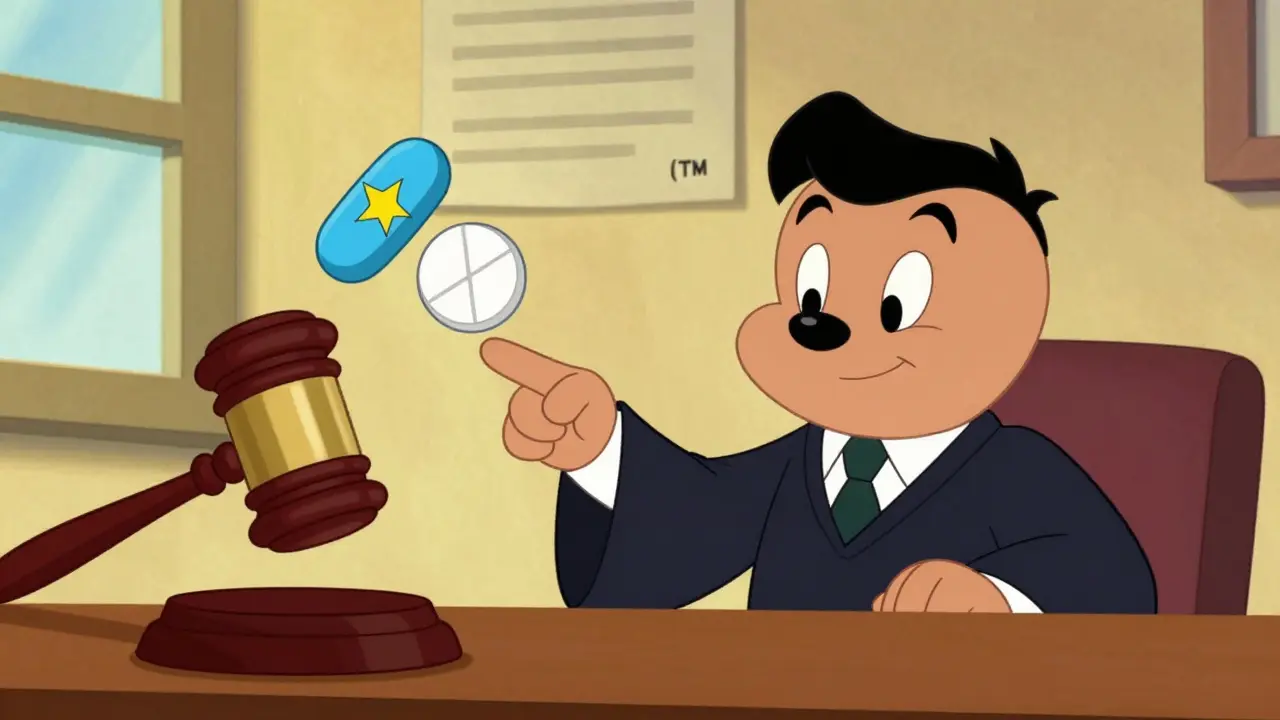
Over 90% of prescriptions filled in the United States are for generic drugs, yet many patients are confused when they receive a pill that looks completely different from what they're used to. Why do these medications look so different when they're supposed to do the same job? The answer lies in U.S. trademark laws and FDA regulations that require generic versions to look distinct from brand-name drugs.
The Legal Reason Behind the Differences
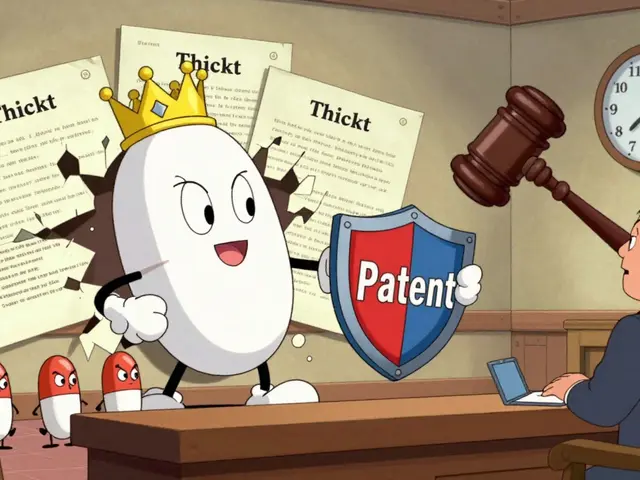
Trademark laws in the United States prevent generic drugs from looking exactly like brand-name drugs. The FDA explicitly states that "Trademark laws in the United States do not allow a generic drug to look exactly like other drugs already on the market." This rule was established by the Drug Price Competition and Patent Term Restoration Act of 1984, commonly known as the Hatch-Waxman Act.
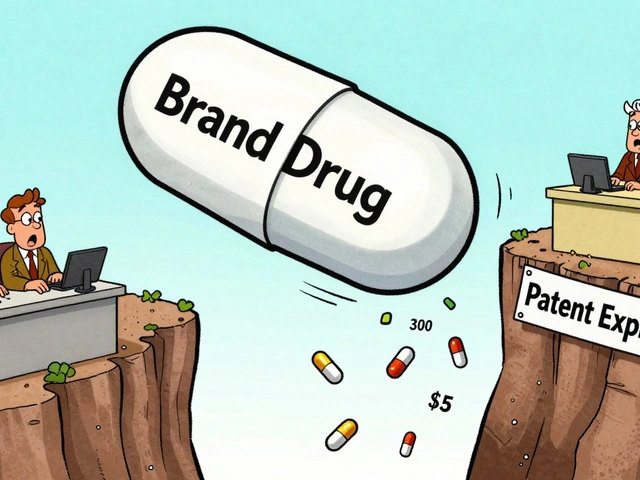
Before this law, brand-name companies could extend their monopoly by making small changes to their drugs. The Hatch-Waxman Act created a balance: it let generic manufacturers enter the market faster but required them to make their products visually distinct. This way, brand companies keep some intellectual property protection while generics can be sold at lower prices.
What Changes in a Generic Drug
When you see a different color, shape, or size in your generic medication, it's because of the inactive ingredients. These are the parts of the pill that don't treat your condition but affect appearance and how the drug is made. For example, coloring agents like FD&C dyes, binders such as lactose or cellulose, and coatings that control how fast the drug dissolves.
Take Prozac (fluoxetine), for instance. The brand-name version is a blue capsule from Eli Lilly. Generic versions might be white, yellow, or pink tablets made by companies like Teva or Mylan. The active ingredient remains fluoxetine, but the appearance changes based on the manufacturer's choices.
What Stays the Same
Despite visual differences, the active ingredients, dosage strength, and therapeutic effects must match the brand-name drug. The FDA requires generic drugs to prove bioequivalence, meaning they absorb into the body at the same rate and extent as the brand. Studies show generic drugs typically have a 3.5% average difference in absorption rates compared to brand-name versions, well within the FDA's 20% acceptable range.
This is why a generic version of a blood pressure medication works just as well as the brand. The FDA states that "generic drugs go through a rigorous review process to receive FDA approval" and "must have the same quality, strength, purity, and potency as brand-name drugs."
Patient Concerns and Real-Life Cases
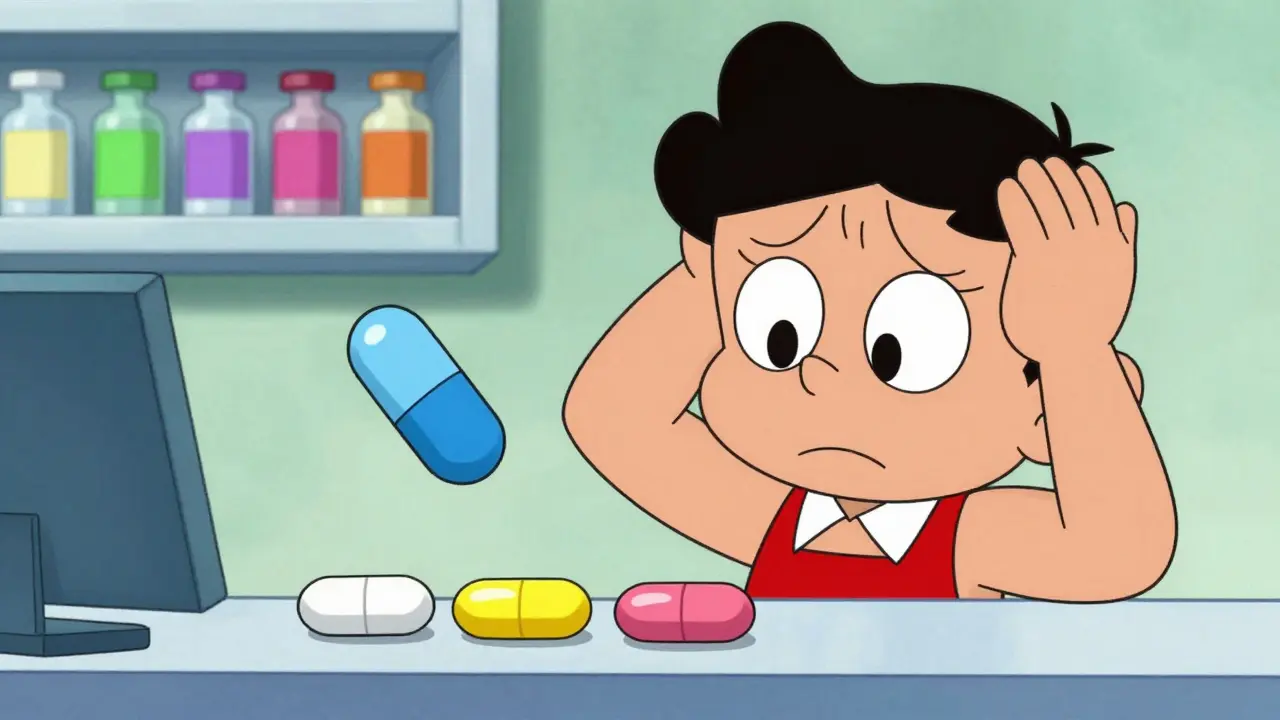
Many patients worry when their medication looks different. A March 2023 Reddit thread about this topic had 147 comments, with 68% of respondents reporting confusion or anxiety. The Medication Errors study found that appearance differences contribute to 3% of all medication errors in community pharmacies.
A notable case involved a 72-year-old patient with hypertension who stopped taking her amlodipine after receiving a differently colored generic tablet. Her blood pressure spiked to 198/112 mmHg, requiring emergency care. This highlights why understanding these differences matters for safety.
How Pharmacies Help Reduce Confusion
Pharmacies have started taking steps to prevent confusion. The National Community Pharmacists Association reports that 89% of independent pharmacies now use "medication synchronization" programs to keep the same generic manufacturer for refills. Chain pharmacies like CVS and Walgreens implemented "Generic Appearance Alerts" in 2022 that prompt pharmacists to explain changes when a patient gets a different-looking pill.
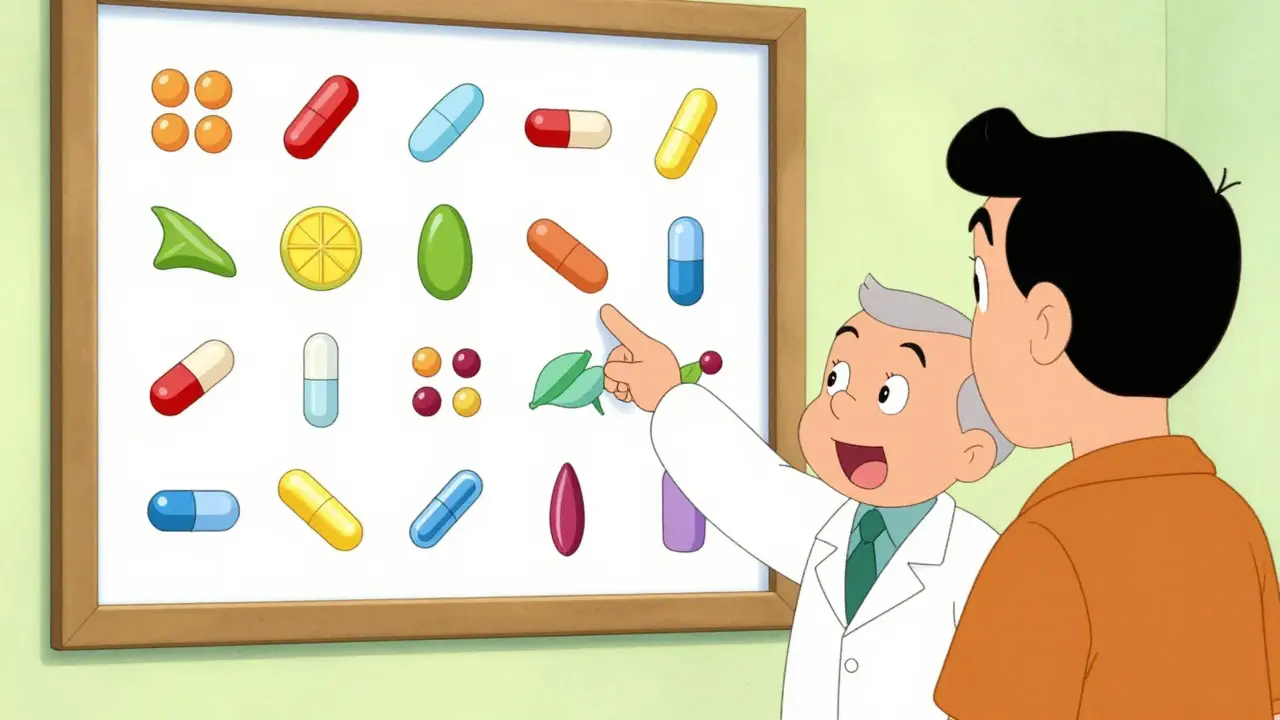
Many pharmacies also provide medication images with prescriptions. A 2023 report found 76% of U.S. pharmacies do this. Humana's medication adherence campaign showed that explaining "the color or shape of your pill does not affect how it works" reduced generic-related abandonment by 22%.
What's Changing in the Future
The FDA is exploring ways to reduce confusion. In September 2023, they issued draft guidance encouraging generic manufacturers to match brand-name appearance where possible. The 2023 Elijah E. Cummings Lower Drug Costs Now Act includes provisions to develop standards for minimizing appearance-related errors by June 2025.
Companies like Teva and Mylan have started voluntary "appearance consistency" programs, maintaining the same color and shape for common drugs like atorvastatin. A June 2023 study found this improved adherence rates by 17.3%. Commissioner Robert Califf of the FDA stated they're "exploring whether our current trademark-based approach to generic appearance creates unnecessary barriers to medication adherence that outweigh the intellectual property protections."
Frequently Asked Questions
Are generic drugs as effective as brand-name drugs?
Yes. The FDA requires generic drugs to be bioequivalent to brand-name drugs, meaning they work the same way in the body. Studies show that generics have a 3.5% average difference in absorption rates compared to brand-name drugs, which is well within the safe range set by the FDA.
Why do generic drugs look different even though they have the same active ingredient?
U.S. trademark laws prevent generic drugs from looking identical to brand-name drugs. This rule, part of the Hatch-Waxman Act, ensures generics are visually distinct while maintaining the same active ingredients. Differences in color, shape, or size come from inactive ingredients like dyes or binders, which don't affect how the drug works.
Can I switch between different generic versions of the same drug?
Yes, but check with your pharmacist. Different generic manufacturers might produce pills with varying appearances, but they all meet FDA bioequivalence standards. If you notice a significant change in pill appearance, ask your pharmacist to confirm it's still the correct medication. Some pharmacies use "medication synchronization" to keep you on the same generic version for consistency.
What should I do if my generic medication looks different than usual?
Don't stop taking it. Contact your pharmacist immediately to verify it's still the correct medication. Most pharmacy systems now include "Generic Appearance Alerts" that trigger counseling when a patient receives a different-looking generic. Pharmacists can explain the change and reassure you it's safe. Many also provide medication images to help identify pills.
Are there any risks associated with switching to a generic drug?
For most medications, switching to a generic poses no risk. The FDA rigorously tests generics to ensure they're as safe and effective as brand-name drugs. However, for drugs with a narrow therapeutic index (like warfarin or levothyroxine), your doctor might monitor you more closely. Always discuss concerns with your healthcare provider before switching.
Bella Cullen
February 6, 2026 AT 11:11Just take it
Gregory Rodriguez
February 6, 2026 AT 20:18Oh, so the FDA's just making sure we don't confuse our pills with candy. Smart move. Now if only they'd make the generics taste better.
Samantha Beye
February 8, 2026 AT 04:02It's completely normal to feel confused when your generic medication looks different.
The FDA requires this to avoid trademark issues, but the active ingredients are identical.
I've been taking generic blood pressure meds for years and never had issues.
Just check with your pharmacist if you're unsure-they're there to help.
Many pharmacies now have alerts when the pill looks different.
They'll explain why and reassure you.
It's all about safety, not quality.
The FDA tests generics rigorously.
They must be bioequivalent.
A 3.5% difference in absorption is within safe limits.
Don't stop taking your meds because of the color.
Just call your pharmacy.
They can confirm it's the same drug.
I've seen patients panic over this, but it's usually harmless.
Just stay informed and ask questions.
Your health is worth it.
Dina Santorelli
February 8, 2026 AT 10:11I've had bad experiences with generics. They're never as good as brand names. Always make me sick.
Danielle Vila
February 10, 2026 AT 07:10This is all a scam by Big Pharma. They want you to think generics are different so you pay more. But it's all lies.
Jenna Elliott
February 10, 2026 AT 13:00US generics best check label no foreign pills
anjar maike
February 10, 2026 AT 14:32This makes sense! 🤔 So the FDA requires different looks to avoid confusion. I always check the name on the pill. 😊
Sam Salameh
February 11, 2026 AT 04:22America's drug laws are top-notch Generics are safe and affordable Just talk to your pharmacist
Cullen Bausman
February 12, 2026 AT 21:17The FDA's regulations ensure generic drugs are distinct to prevent medication errors. This is a necessary measure for public safety.
Cole Streeper
February 14, 2026 AT 09:42Big Pharma controls the FDA. They make generics look different to keep you buying brand names. Wake up!
Arjun Paul
February 15, 2026 AT 20:43People should know generics are just as effective. Appearance doesn't matter. If you don't know, ask a doctor.
divya shetty
February 17, 2026 AT 02:24Adherence to FDA guidelines is critical. Visual differences prevent errors. Patients must be educated.