
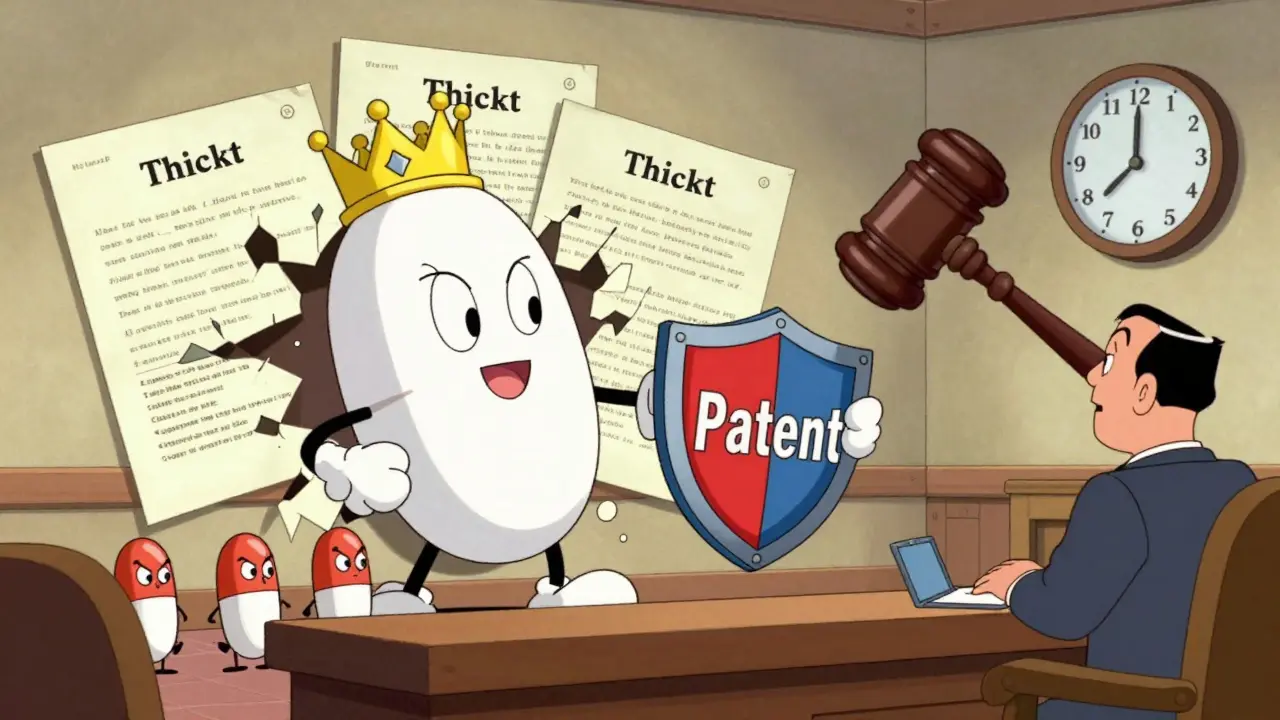
When a new brand-name drug hits the market, it comes with a patent that gives the manufacturer exclusive rights to sell it - usually for 20 years. But in practice, that exclusivity often lasts much longer. Why? Because patent litigation is being used not to protect innovation, but to block competition. For patients who need affordable medications, this isn’t just a legal technicality - it’s a matter of life and death.
How the system was supposed to work
The Drug Price Competition and Patent Term Restoration Act of 1984, better known as the Hatch-Waxman Act, was meant to strike a balance. It gave brand-name drugmakers a chance to recoup their R&D costs by extending patent terms slightly. At the same time, it created a clear path for generic manufacturers to enter the market faster by allowing them to file an Abbreviated New Drug Application (ANDA) without repeating expensive clinical trials. The key innovation was the Paragraph IV certification. If a generic company believed a brand-name drug’s patent was invalid or wouldn’t be infringed, they could challenge it. Once they did, the brand-name company had just 45 days to sue. If they did, the FDA was legally required to pause approval of the generic for 30 months - a so-called "automatic stay." The idea was simple: give courts time to resolve disputes fairly, while still encouraging competition.What actually happened
Instead of speeding up access to cheaper drugs, the system became a tool for delay. Data from the National Institutes of Health shows that 59% of first generic approvals in recent years were hit with Paragraph IV challenges. And here’s the kicker: even after the 30-month stay ends, generics don’t launch right away. On average, it takes another 3.2 years before the generic actually hits pharmacy shelves. That means a drug approved in 2018 might not have a generic version available until 2025 - even if the patent expired in 2021. In some cases, the delay is even longer. One study found that FDA approval of a generic drug occurred, on average, 11.5 years after the brand-name drug was first approved. That’s nearly five years longer than the original patent term was meant to last.Patent thickets: the hidden trap
Brand-name companies don’t rely on just one patent anymore. They file dozens - sometimes over a hundred - covering everything from the chemical formula to how the pill is coated, how it’s taken, or even the machine used to make it. This is called a "patent thicket." A 2023 study found that 72% of patents used to block generics were filed after the FDA approved the original drug. These aren’t inventions - they’re legal shields. When a generic company wins one lawsuit, the brand-name company files another based on a different patent. And another. And another. This isn’t hypothetical. Bristol Myers Squibb and Pfizer used U.S. Patent No. 9,326,945 to delay generic versions of a heart medication for years, even though the original patent had expired. The FDA approved the generic. The courts said the patent was weak. But the delay held.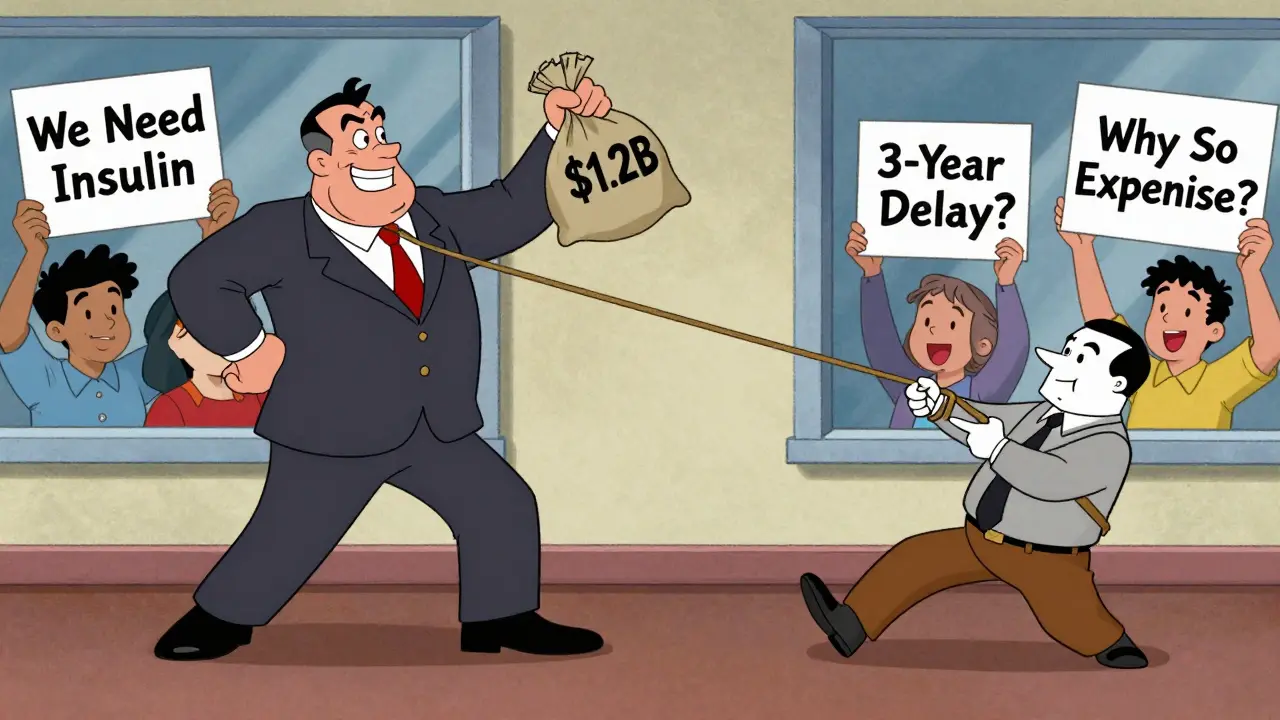
Pay-for-delay: the secret deals
Sometimes, the brand-name company doesn’t even bother suing. Instead, they pay the generic manufacturer to stay away. These "pay-for-delay" agreements - where a brand-name company pays a generic company millions to postpone its market entry - were once common. A 2010 Federal Trade Commission report found that these deals cost consumers billions. In one case, a brand-name drug maker paid a generic company $1.2 billion just to wait three years before launching a cheaper version. The FTC has cracked down on these deals in recent years, but they haven’t disappeared. Some companies now structure payments as "licensing fees" or "marketing services" to avoid scrutiny. The result? The same delay. The same higher prices.The human cost
This isn’t just about corporate profits. It’s about real people. A primary care doctor in Chicago told STAT News that her patients with diabetes were rationing insulin because the generic version, though approved by the FDA, was delayed 18 months due to patent litigation. One patient was paying $1,200 a month for the brand-name version. The generic cost $200 - if it had been available. Large employers have lost over $1.2 billion in 2023 alone because of delays in generic access to Humira, a drug used for rheumatoid arthritis and Crohn’s disease. Teva, one of the largest generic manufacturers, reported that patent battles delayed key product launches and cost them $850 million in projected revenue. Patients aren’t the only ones affected. Pharmacists report that 61% of biosimilars - the next generation of biologic drugs - are stuck in litigation. These drugs treat cancer, autoimmune diseases, and rare conditions. When they’re delayed, patients suffer.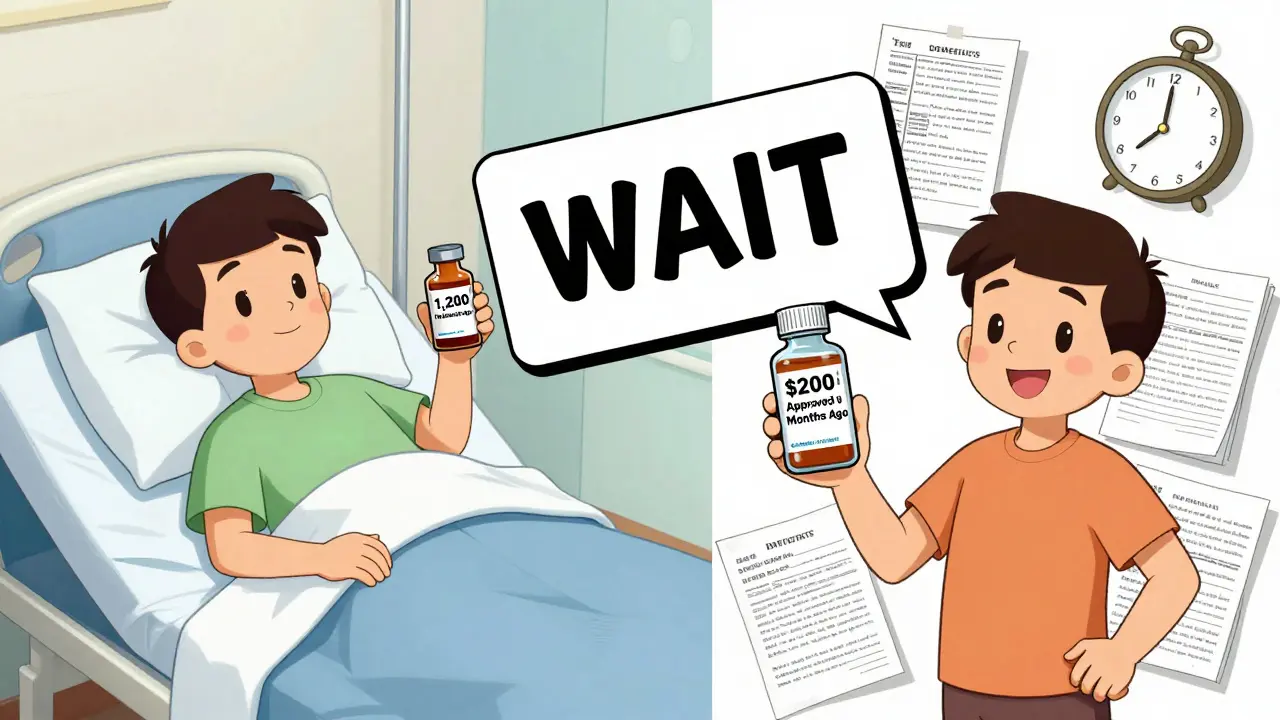
Ian Kiplagat
March 7, 2026 AT 10:29Adebayo Muhammad
March 8, 2026 AT 21:26Aaron Pace
March 10, 2026 AT 17:42Joe Prism
March 12, 2026 AT 03:35Bridget Verwey
March 12, 2026 AT 18:24Weston Potgieter
March 13, 2026 AT 00:17Vikas Verma
March 14, 2026 AT 11:59Susan Purney Mark
March 15, 2026 AT 13:45amber carrillo
March 15, 2026 AT 21:02Andrew Poulin
March 17, 2026 AT 10:27Sean Callahan
March 18, 2026 AT 12:13Ferdinand Aton
March 20, 2026 AT 02:47William Minks
March 21, 2026 AT 16:38Jeff Mirisola
March 23, 2026 AT 03:30Pranay Roy
March 24, 2026 AT 16:13