
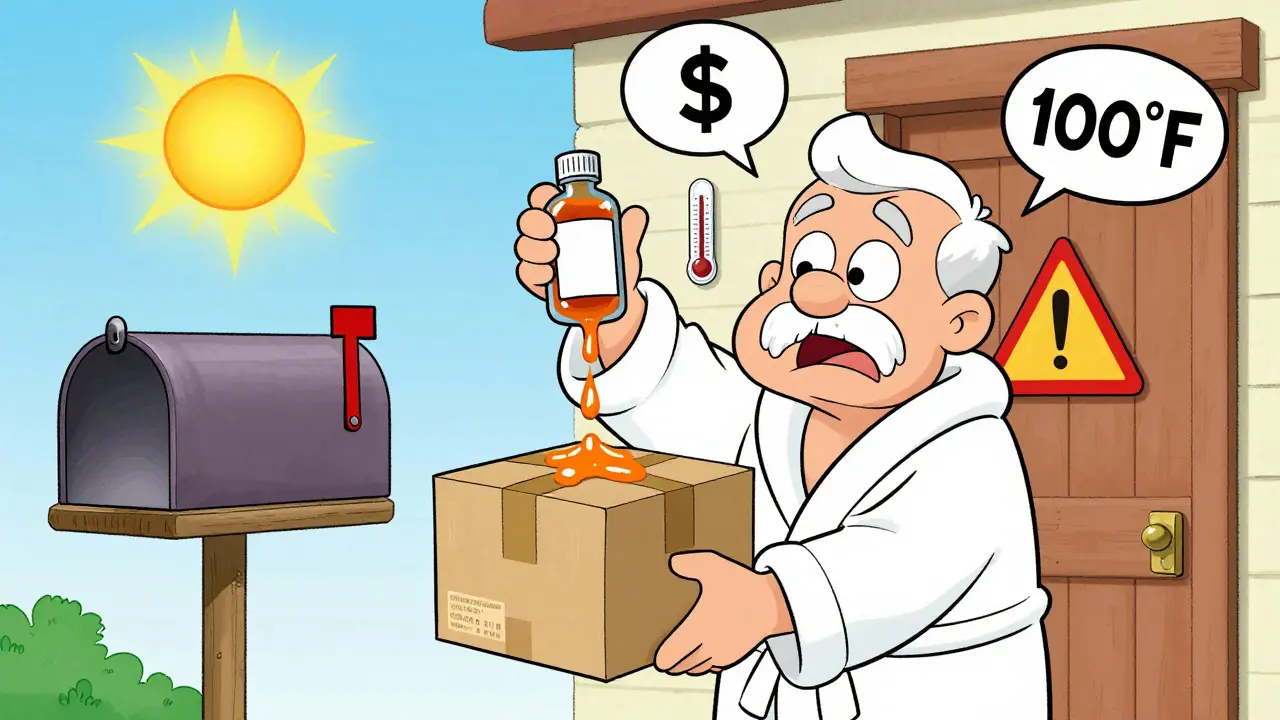
Buying your monthly blood pressure pills or diabetes meds online and having them delivered to your door sounds simple. And for many people, it is. But behind the convenience of mail-order generics lies a system full of contradictions: big savings on paper, but risky delivery practices; better adherence rates, but dangerous gaps in care. If you’re considering switching to a mail-order pharmacy, you need to know what you’re getting into - not just the perks, but the real dangers too.
Why Mail-Order Generics Are Popular
Mail-order pharmacies aren’t new. They’ve been around since the 1950s, but they exploded after Medicare Part D started offering them in 2006. Today, nearly 63% of people with high blood pressure and 58% of those with diabetes use them. Why? Because they work - for chronic conditions. Most insurers push 90-day supplies through mail-order because it’s cheaper for them. You might pay $10 for a 90-day supply of lisinopril, while the same drug at your local pharmacy costs $45 for 30 days. That’s a $45 monthly savings for one medication. For someone taking five chronic meds, that adds up fast. Automatic refills and home delivery remove the hassle of remembering to refill prescriptions. No more rushing to the pharmacy on a Friday afternoon because you’re out. No more driving across town in the rain. For people with mobility issues, busy schedules, or those living far from pharmacies, this isn’t just convenient - it’s life-changing. Studies from the National Institutes of Health show people using mail-order are more likely to stick with their meds. That’s huge. Skipping doses of heart or diabetes meds can lead to hospitalization, stroke, or even death. Mail-order helps prevent that.The Hidden Cost of ‘Savings’
Here’s the catch: the savings aren’t always what they seem. A 2023 report from The Happy PharmD found that a generic antidepressant costing $12 at a retail pharmacy was billed at $100 through a mail-order service - an 800% markup. Brand-name drugs? Sometimes marked up 35 times over retail. How? Because mail-order pharmacies are often owned by the same companies that run your insurance’s pharmacy benefit manager (PBM). Cigna’s Express Scripts, CVS Caremark, and OptumRx control nearly 80% of the market. They set the prices. And they profit when you pay more. You might think, “But my copay is only $10!” That’s true - but that $10 is a fraction of what your insurer is actually paying. And if you’re uninsured, you’re on the hook for the full price. Injectable weight-loss drugs like semaglutide? They can cost $500 a month through direct-to-consumer mail-order. That’s not savings. That’s a financial trap.Medicines That Arrive Broken
Temperature control is one of the most ignored dangers. Most medications need to stay between 68°F and 77°F during shipping. Insulin, thyroid meds, and some antibiotics are especially sensitive. If they get too hot or too cold, they lose potency. You won’t know until it’s too late. A study cited by The Happy PharmD found that only one-third of mail-order medications stay within safe temperature ranges. The FDA has logged over 1,200 reports of temperature-related failures between 2020 and 2023 - and that’s just what people reported. Real numbers are likely much higher. Reddit users have shared stories of insulin arriving melted after sitting in a hot mailbox for hours. One woman in Texas said her child’s diabetes meds arrived warm, and she had to rush to the ER when his blood sugar spiked. No one told her the meds might be ruined. Even if your meds arrive at the right temperature, they can get lost. Trustpilot reviews show 17% of complaints involve packages that never arrived or were damaged. If you’re on blood thinners or seizure meds, a missed dose isn’t an inconvenience - it’s a medical emergency.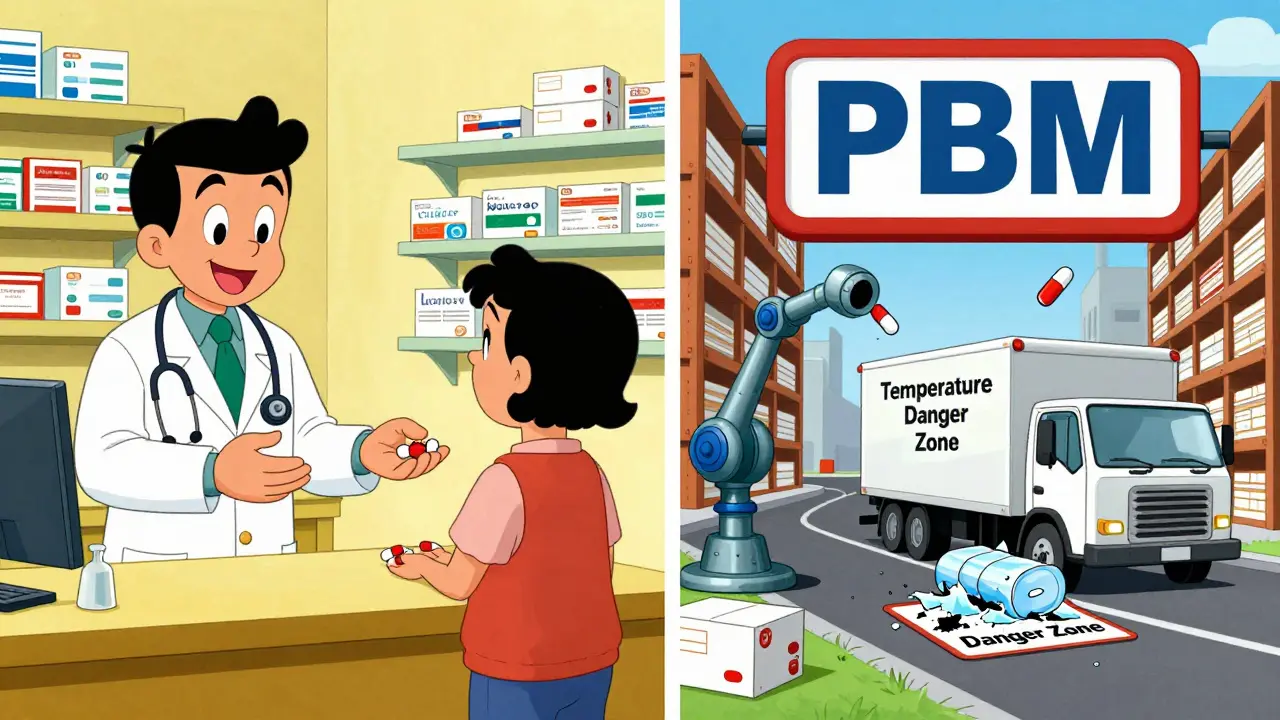
When Mail-Order Doesn’t Work
Mail-order is great for chronic meds. It’s terrible for anything you need right now. Antibiotics for a sudden infection? You can’t wait a week. Pain meds after surgery? You need them today. Inhalers for asthma attacks? You don’t have time to order online. And if you’re taking multiple drugs - say, one for blood pressure, another for cholesterol, and a third for depression - you might have to use different pharmacies to get the best price. That means your prescriptions are split between three different systems. Your pharmacist at the local store can’t see all your meds. No one can check for dangerous interactions. One wrong combo could land you in the hospital.The Human Cost: Losing Your Pharmacist
Your local pharmacist isn’t just someone who hands you pills. They’re trained to catch errors. They notice if you’re on three drugs that shouldn’t be mixed. They ask, “Are you having side effects?” They see you every month and remember your name. A Consumer Reports survey found 68% of users worry about losing that personal connection. No one calls you to say your new generic looks different. No one explains why the pill color changed. No one checks if you’re still taking it because you’re afraid of the side effects. Generic switching - swapping one brand of a drug for another - sounds harmless. But the pills look different. They taste different. They’re shaped differently. For older adults or people with dementia, that can cause confusion. One study found patients on multiple generic versions of topiramate (used for seizures and migraines) ended up in the hospital more often. Why? They didn’t recognize their meds. They stopped taking them. Or took too many.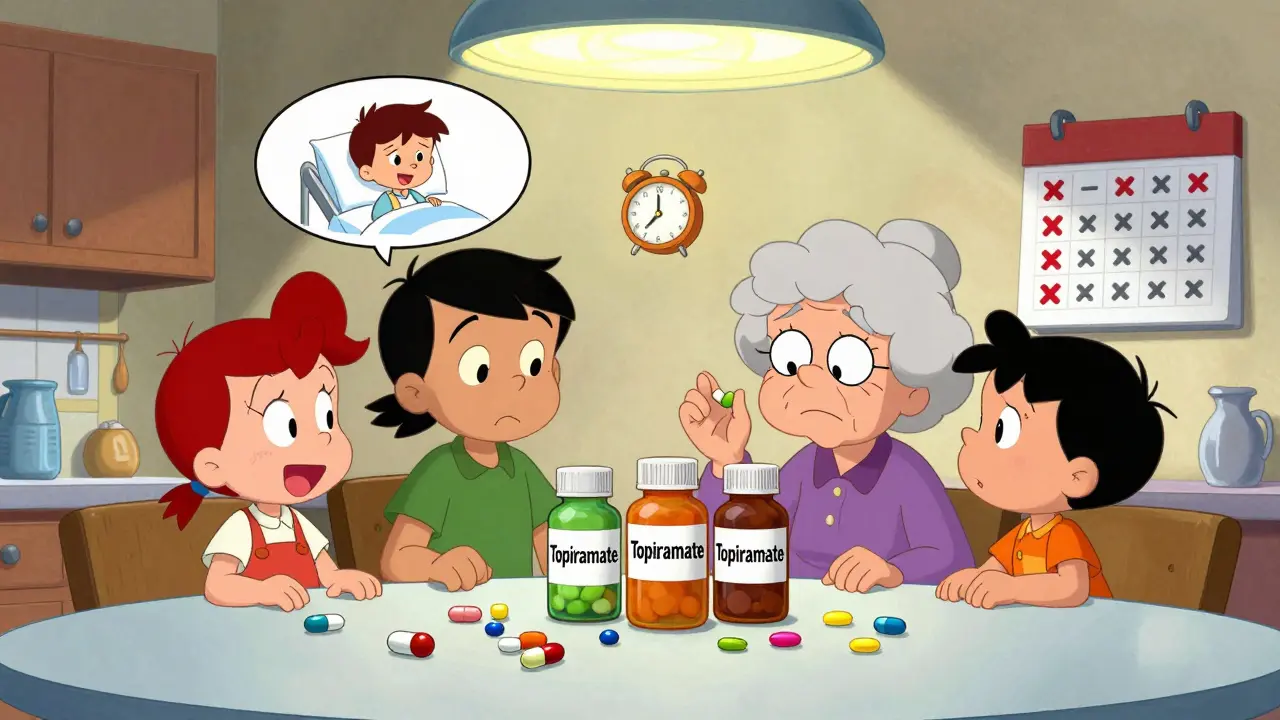
How to Use Mail-Order Safely
If you’re going to use mail-order, do it right.- Only use it for chronic meds. Blood pressure, cholesterol, diabetes, thyroid, antidepressants - yes. Antibiotics, painkillers, rescue inhalers - no.
- Order at least two weeks before you run out. Delivery delays happen. Weather. Holidays. Lost packages. Don’t wait until your bottle is empty.
- Check the packaging. When your meds arrive, look at the pills. Do they look like your last refill? If not, call the pharmacy. Don’t take them until you’re sure.
- Ask about temperature control. If you’re getting insulin or other sensitive meds, demand cold packs and insulated shipping. If they refuse, switch providers.
- Keep a backup. Always keep a 7-day supply at home. In case your mail-order order fails, you won’t be left without meds.
- Don’t split prescriptions across pharmacies. If you’re using mail-order for one drug and a local pharmacy for another, tell both pharmacists about all your meds. Or better yet - stick to one pharmacy.
What’s Changing? What’s Next?
The mail-order industry is growing fast. By 2027, nearly half of all chronic medication prescriptions in the U.S. will be filled this way, according to McKinsey. But pressure is building. Congress is considering the Pharmacy Delivery Safety Act (H.R. 4892), which would require temperature monitoring and reporting for all mail-order drugs. The FDA is pushing for better tracking of failed deliveries. Some insurers are starting to offer bonuses for patients who stick with their meds - which means they’re starting to realize how much money they save when people don’t end up in the ER. But until those rules are enforced, you’re on your own. The system is designed to save money for insurers and pharmacy chains - not necessarily to keep you safe.Final Thought: Is It Worth It?
Mail-order generics can be a lifeline - if you use them wisely. They’ve helped millions take their meds consistently. They’ve saved people thousands of dollars. But they’ve also left others without life-saving drugs because a package got lost in the mail. The truth? There’s no perfect system. The best choice depends on your meds, your health, and your risk tolerance. If you’re stable, organized, and careful - mail-order can work. If you’re juggling multiple drugs, have memory issues, or live in a place with extreme weather, stick with your local pharmacy. Your health isn’t a cost-saving experiment.Are mail-order generics as effective as brand-name drugs?
Yes. The FDA requires generic drugs to have the same active ingredients, strength, dosage form, and effectiveness as brand-name versions. The only differences are in color, shape, or inactive ingredients - none of which affect how the drug works. Many people worry generics are weaker, but that’s a myth. The real issue isn’t effectiveness - it’s consistency in delivery and patient confusion when switching between generic brands.
Can I get my insulin through mail-order safely?
You can, but only if the pharmacy uses proper temperature-controlled shipping with cold packs and insulated packaging. Insulin degrades quickly above 86°F. Many users report receiving melted insulin in summer months. If you choose mail-order for insulin, always call ahead to confirm their shipping protocol. Keep a backup 7-day supply at home. Never rely on mail-order as your only source.
Why do mail-order pharmacies sometimes charge more than retail?
They don’t always - but they can. Mail-order pharmacies are often owned by pharmacy benefit managers (PBMs) that also manage your insurance. These companies set prices to maximize profit, not to save you money. A drug that costs $12 at a local pharmacy might be billed at $100 through mail-order, even if your copay is low. The difference is paid by your insurer - and sometimes passed on to you indirectly through higher premiums. Always compare prices using tools like GoodRx before accepting a mail-order quote.
What should I do if my mail-order meds don’t arrive on time?
If your meds are late and you’re running out, call your pharmacy immediately. Ask if they can send a rush order or if they have a local partner pharmacy that can fill it. If you’re on a life-sustaining medication like insulin, heart meds, or seizure drugs, go to a local pharmacy and explain the situation. Most will give you a short-term emergency supply. Never skip doses. Keep a backup supply on hand - at least a week’s worth - to avoid this scenario.
Is it safe to switch between different generic versions of the same drug?
It’s usually safe, but not always. Generic versions of the same drug can differ in shape, size, color, or taste. For people with memory issues, anxiety, or chronic illness, these changes can cause confusion. Some patients stop taking their meds because they don’t recognize the pills. Studies show switching between multiple generics for drugs like topiramate can lead to higher hospitalization rates. If you notice a change in your pill’s appearance, ask your pharmacist if it’s the same drug. Don’t assume it’s safe just because it’s labeled the same.
How can I tell if my mail-order pharmacy is trustworthy?
Check if they’re licensed in your state and accredited by the National Association of Boards of Pharmacy (NABP). Look for the VIPPS seal (Verified Internet Pharmacy Practice Sites). Avoid pharmacies that don’t require a prescription or offer drugs at prices that seem too good to be true. If your pharmacy doesn’t answer your questions clearly or refuses to explain shipping methods, switch providers. Your health isn’t worth the risk.
Next steps: If you’re currently using mail-order, review your last three prescriptions. Are they all for chronic conditions? Are you ordering early enough? Have you checked the pills upon arrival? If not, start now. One small change - like keeping a backup supply - could prevent a medical crisis.
paul walker
January 29, 2026 AT 11:26Alex Flores Gomez
January 30, 2026 AT 20:45Frank Declemij
January 31, 2026 AT 00:25DHARMAN CHELLANI
February 1, 2026 AT 17:56kabir das
February 3, 2026 AT 15:17Megan Brooks
February 5, 2026 AT 11:49Ryan Pagan
February 7, 2026 AT 02:12Paul Adler
February 8, 2026 AT 05:11Sheryl Dhlamini
February 9, 2026 AT 00:47Kristie Horst
February 9, 2026 AT 07:06Andy Steenberge
February 10, 2026 AT 16:41Laia Freeman
February 10, 2026 AT 23:28