
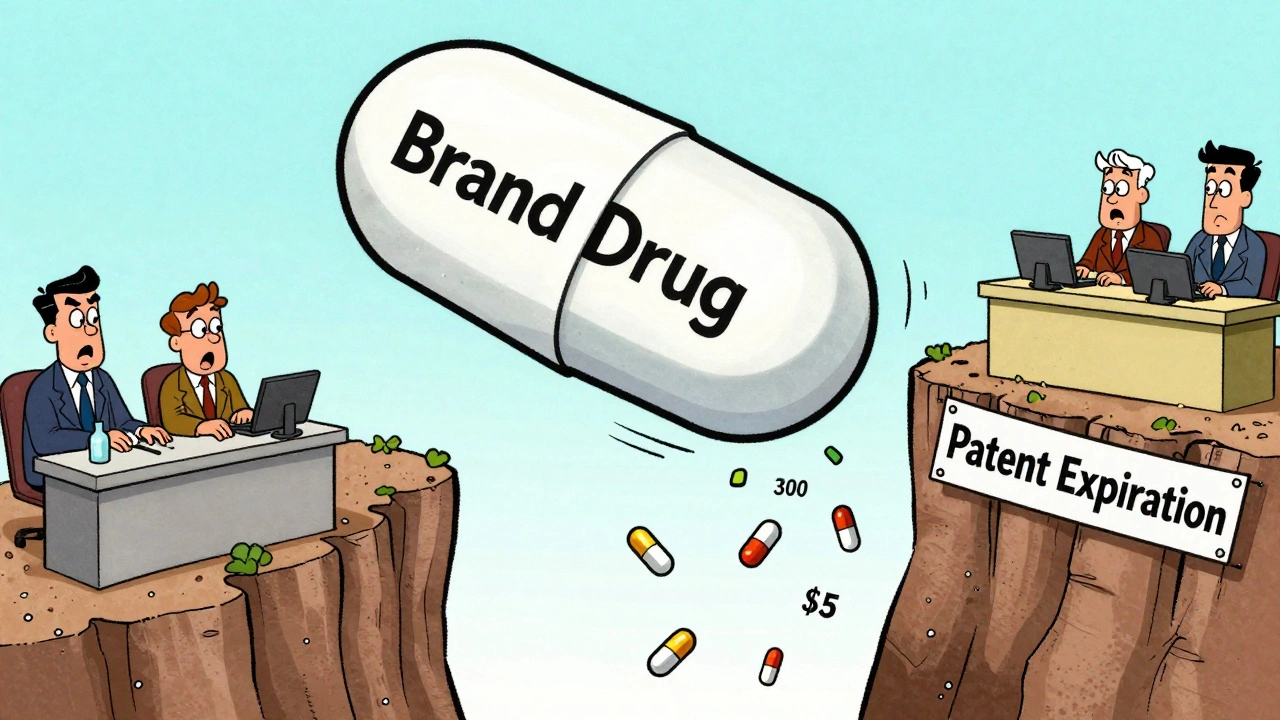
When a brand-name drug loses its patent, everything changes. The price doesn’t just drop-it plummets. Within months, the same pill that cost $300 a month can be bought for $10. This isn’t magic. It’s the result of generic drugs flooding the market. And for brand manufacturers, it’s not just a business challenge-it’s a financial earthquake.
The Patent Cliff: When Revenue Collapses
Every brand drug has a shelf life. Patents last 20 years, but after accounting for testing and approval, companies often have just 7 to 12 years of exclusive sales. When that window closes, the drop in revenue is brutal. For drugs like Humira, which lost patent protection in 2023, sales fell by 80-90% in the first year after generics entered. That’s not a slow fade. It’s a cliff. And for companies that built their earnings on a handful of blockbusters, it’s devastating. The numbers don’t lie. In the U.S., generics make up 90% of all prescriptions filled. But they account for only about 20% of total drug spending. That means brand manufacturers are still collecting most of the money-even though they’re selling far fewer pills. When a generic hits, that balance flips overnight. The brand company loses its monopoly. Competitors enter. Prices crash. And the revenue stream dries up.How Generics Work: A Commodity Market
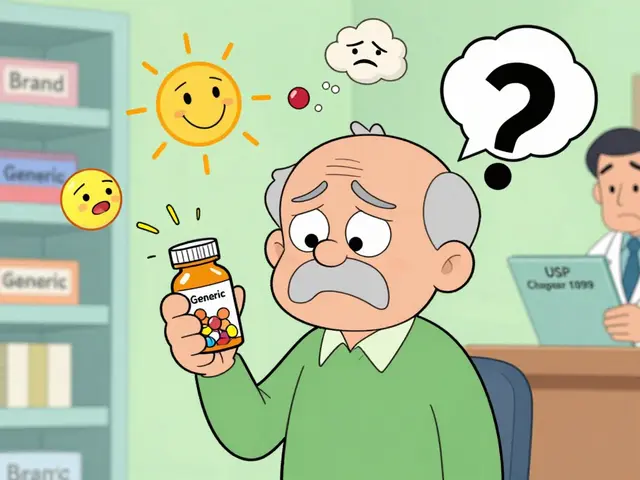
Generic drugs aren’t cheaper because they’re lower quality. They’re cheaper because they don’t need to pay for research, clinical trials, or marketing. The FDA requires them to be identical in active ingredient, dosage, strength, and effectiveness to the brand version. That’s it. No extra cost. No brand loyalty. Just pure competition. Once the first generic enters, prices start falling. By the time five or six manufacturers are selling the same drug, prices can drop 80-85% below the original brand price. In some cases, the same pill that sold for $200 now costs less than $5. And the more companies join, the lower it goes. The FDA tracked 2,400 new generic approvals between 2018 and 2020 and found that even just two or three competitors were enough to bring prices below the brand level. This is a commodity market. It’s not about innovation. It’s about who can produce the pill the cheapest. The winner isn’t the company with the best lab-it’s the one with the lowest overhead, the most efficient factory, and the strongest supply chain.Brand Manufacturers Fight Back
No brand company sits still when a patent expires. They’ve spent years preparing for this moment. Some launch their own generic version-called an “authorized generic”-to capture a slice of the falling market. Pfizer did this with Lipitor. Novartis spun off its generics arm, Sandoz, to separate the high-risk, low-margin business from its innovative drug pipeline. Others use legal tricks. One common tactic is “pay for delay.” A brand company pays a generic manufacturer to hold off on launching its version. These deals are legal, but they’re controversial. A 2023 study found they cost patients and insurers nearly $12 billion a year. The Congressional Budget Office estimates ending these deals could save $45 billion over 10 years. Another strategy is “product hopping.” Instead of letting a drug die, brand companies tweak it slightly-a new pill shape, a new delivery method, a slightly different dosage-and file for a new patent. This resets the clock. Patients are switched to the new version, often with a push from doctors or pharmacies. The old drug becomes obsolete. The patent clock restarts. Critics call it gaming the system. The FDA has flagged it as a problem, but it’s still widespread.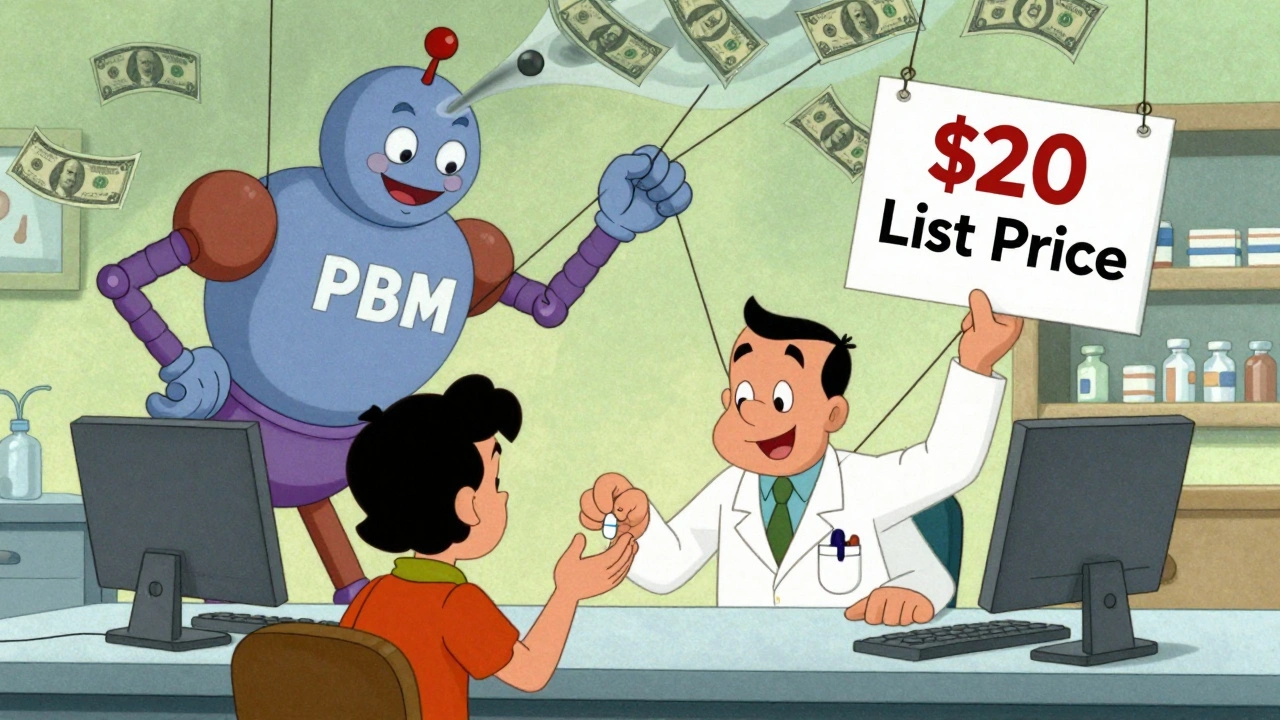
The Hidden Costs: Who Really Pays?
You’d think with generics everywhere, drug costs would be low. But that’s not the whole story. Pharmacy benefit managers (PBMs)-the middlemen between insurers, pharmacies, and drugmakers-have become powerful players. They negotiate rebates, set reimbursement rates, and control which drugs get covered. Here’s the catch: PBMs often get paid based on the list price of drugs, not what the pharmacy actually pays. So even if a generic costs $5, the PBM might base its rebate on a $20 list price. The pharmacy gets reimbursed $7, pockets $2, and loses money on the transaction. Patients still pay a copay based on the inflated list price. The Schaeffer Center at USC found patients pay 13-20% more than they should for generics because of these opaque practices. Pharmacists on Reddit and industry forums report daily struggles. Some say they’ve had to turn away patients because the PBM reimbursement was lower than the cost of the pill. Others say reimbursement rates change weekly, making it impossible to budget. The savings from generics aren’t reaching patients. They’re getting absorbed by intermediaries.Supply Chains and Shortages
The race to the bottom has another side effect: instability. When profit margins on a generic drug shrink to pennies, manufacturers cut corners. Some move production overseas to save costs. Others stop making low-margin drugs entirely. The result? Chronic shortages. In 2023, the FDA listed over 300 drugs in short supply-many of them generics. Antibiotics, anesthetics, and heart medications were among the most affected. Why? Because no company wants to invest in a drug that might sell for $0.05 a pill. The system rewards low cost over reliability. And when one factory shuts down or faces a quality issue, the whole supply chain breaks. The FDA’s Generic Drug User Fee Amendments (GDUFA), renewed in 2022 with $1.1 billion in fees through 2027, is trying to fix this. It funds faster reviews and better inspections. But it can’t fix the economics. If a drug only makes $10,000 a year in profit, no company will risk building a plant for it.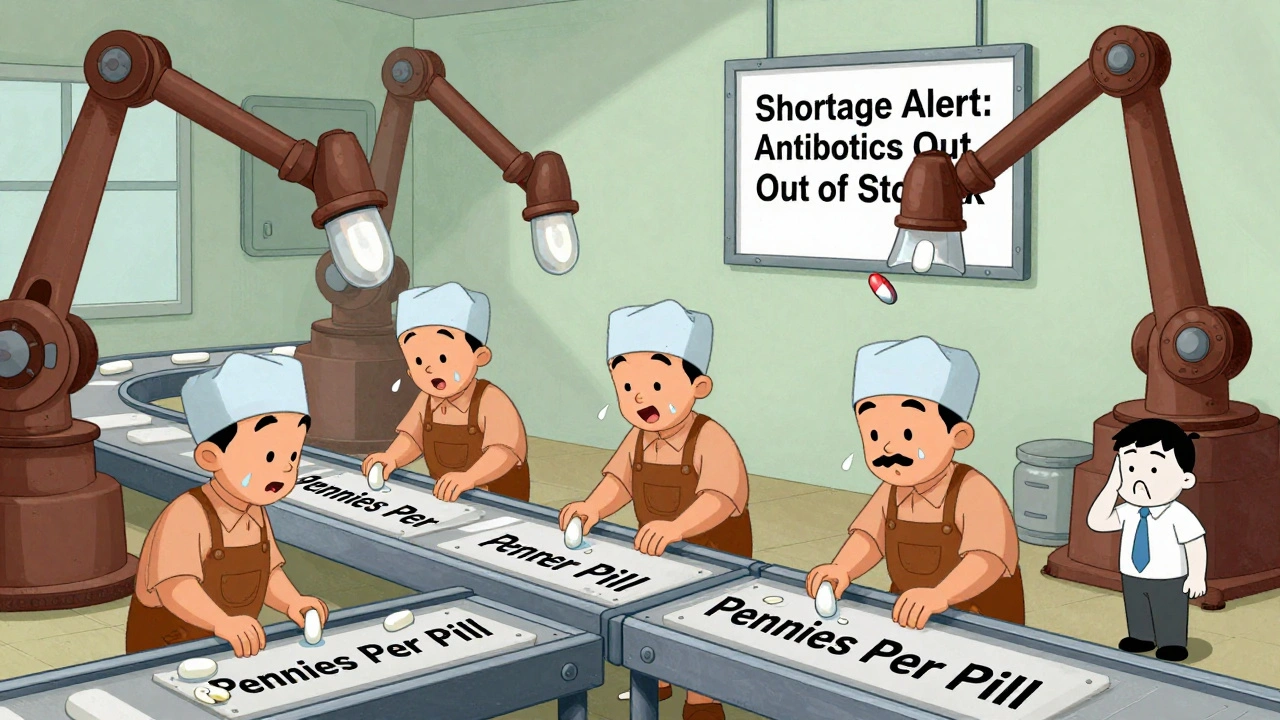
The Bigger Picture: 0 Billion in Savings-But Who Gets It?
The U.S. healthcare system saves an estimated $330 billion a year because of generics. That’s money that goes to insurers, employers, Medicare, and patients. The Congressional Budget Office says generics saved $253 billion in 2014 alone. That’s not theoretical. It’s real savings that keep people on their medications. But here’s the paradox: while generics cut costs, brand manufacturers keep raising prices on their remaining patented drugs. In January 2025, the median price increase on 250 brand drugs was 4.5%-nearly double inflation. So even as generics save billions, the overall cost of care doesn’t drop much. The system just shifts the burden.What’s Next? The $400 Billion Challenge
By 2028, an estimated $400 billion in brand drug revenue will be at risk from patent expirations. That’s more than the entire annual budget of the CDC. Companies like Pfizer, Merck, and Roche are already shifting focus. They’re investing in biologics, gene therapies, and personalized medicines-drugs that are harder to copy and can command higher prices for longer. Legislation is also changing. Bipartisan bills are moving through Congress to ban “pay for delay” deals and limit “product hopping.” The FDA is pushing for faster approval of complex generics-like inhalers and injectables-that have taken years to enter the market. These are critical steps. But the core tension remains: how do you reward innovation without letting monopolies control prices? Generics are the answer to affordability. But without fair rules, they become a race to the bottom that hurts patients, pharmacists, and manufacturers alike.Final Reality Check
Generics aren’t the enemy. They’re the reason millions of Americans can afford insulin, blood pressure pills, and antibiotics. Without them, the system would collapse. But brand manufacturers aren’t villains either. They take massive risks. A new drug costs over $2 billion to develop. Most fail. The few that succeed need to pay for all the others. The real problem isn’t generics. It’s a broken system where middlemen profit, patents are stretched, and savings don’t reach the people who need them. Fixing this means more than approving more generics. It means rethinking how drugs are priced, how rebates work, and who actually benefits from the savings. The future of drug pricing won’t be decided in a lab. It’ll be decided in courtrooms, boardrooms, and Congress. And until then, the same pill will still cost $300 one day-and $5 the next.Why do generic drugs cost so much less than brand-name drugs?
Generic drugs cost less because they don’t have to repeat expensive clinical trials or pay for marketing. They use the same active ingredients as the brand version and must meet the same FDA standards for safety and effectiveness. The only costs are manufacturing and distribution. Once multiple companies start making the same drug, competition drives prices down-often by 80-85%.
Do generic drugs work the same as brand-name drugs?
Yes. The FDA requires generics to have the same active ingredient, strength, dosage form, and route of administration as the brand drug. They must also be bioequivalent, meaning they work the same way in the body. Studies show generics perform just as well as brand-name drugs in real-world use. The only differences are in inactive ingredients like color or filler-things that don’t affect how the drug works.
Why do some pharmacies lose money selling generic drugs?
Pharmacies often lose money on generics because pharmacy benefit managers (PBMs) set reimbursement rates based on inflated list prices, not actual wholesale costs. Even if a generic pill costs the pharmacy $2, the PBM might reimburse $5, but take a rebate based on a $20 list price. The pharmacy ends up with a small profit-or a loss-while the PBM pockets the difference. Many pharmacists report this makes it hard to stay in business.
What is a "pay for delay" deal in the pharmaceutical industry?
A "pay for delay" deal happens when a brand-name drug company pays a generic manufacturer to delay launching its cheaper version. Instead of competing, the two companies agree to split the market. These deals keep prices high and cost patients and insurers billions each year. The FTC and Congress have tried to ban them, but they’re still legal in many cases.
How do brand manufacturers try to extend their monopoly after patent expiration?
Brand companies use several tactics. One is "product hopping"-making a small change to the drug (like a new pill coating or delivery system) and pushing patients to switch to the new version, which still has patent protection. Another is filing dozens of secondary patents on packaging, uses, or methods of manufacture, creating a "patent thicket" that blocks generics. Some even launch their own generic version to control the market and capture part of the lower-price segment.
Why are there drug shortages with generic medications?
When profit margins on generics get too thin, manufacturers stop making them. Many generics are produced overseas, and if one factory has a quality issue or shuts down, there’s no backup. Companies won’t invest in low-margin drugs unless they’re sure of steady demand. The result? Critical medicines like antibiotics and anesthetics disappear from shelves, even though they’re cheap and essential.
How much money do generic drugs save the U.S. healthcare system each year?
Generic drugs save the U.S. healthcare system an estimated $330 billion annually. In 2014 alone, they saved $253 billion, according to the Congressional Budget Office. These savings come from lower prices-generics typically cost 80-85% less than brand-name drugs-while delivering the same clinical results. Without generics, many patients couldn’t afford their prescriptions.
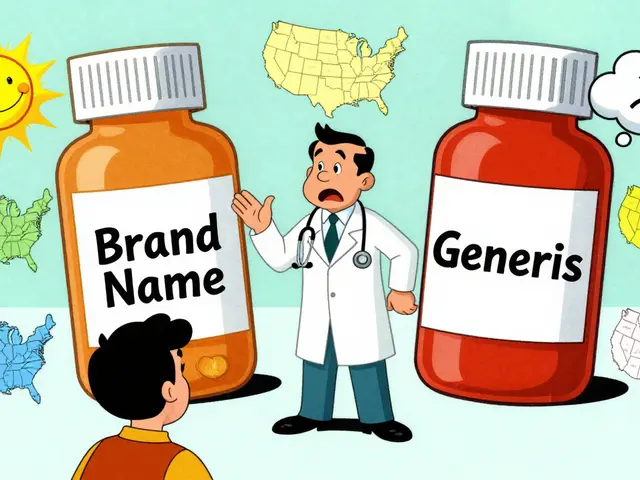
What’s the difference between a generic drug and an authorized generic?
A generic drug is made by a different company than the brand manufacturer. An authorized generic is made by the original brand company-or licensed to another company-and sold under a different label. It’s chemically identical to the brand version but priced like a generic. Brand companies use authorized generics to keep some revenue after patent expiration and to control the market.
Annie Gardiner
December 7, 2025 AT 09:36Also, who even trusts the FDA anymore? They approved opioids for decades. What makes you think they're suddenly the guardians of your pill?
Rashmi Gupta
December 8, 2025 AT 18:38Andrew Frazier
December 9, 2025 AT 05:25Kumar Shubhranshu
December 10, 2025 AT 23:27Mayur Panchamia
December 11, 2025 AT 22:40Nava Jothy
December 12, 2025 AT 02:31brenda olvera
December 12, 2025 AT 14:08Myles White
December 14, 2025 AT 07:23Ibrahim Yakubu
December 14, 2025 AT 10:05Chris Park
December 15, 2025 AT 02:58Saketh Sai Rachapudi
December 16, 2025 AT 00:32joanne humphreys
December 17, 2025 AT 16:24Priya Ranjan
December 18, 2025 AT 15:28Gwyneth Agnes
December 19, 2025 AT 10:39