
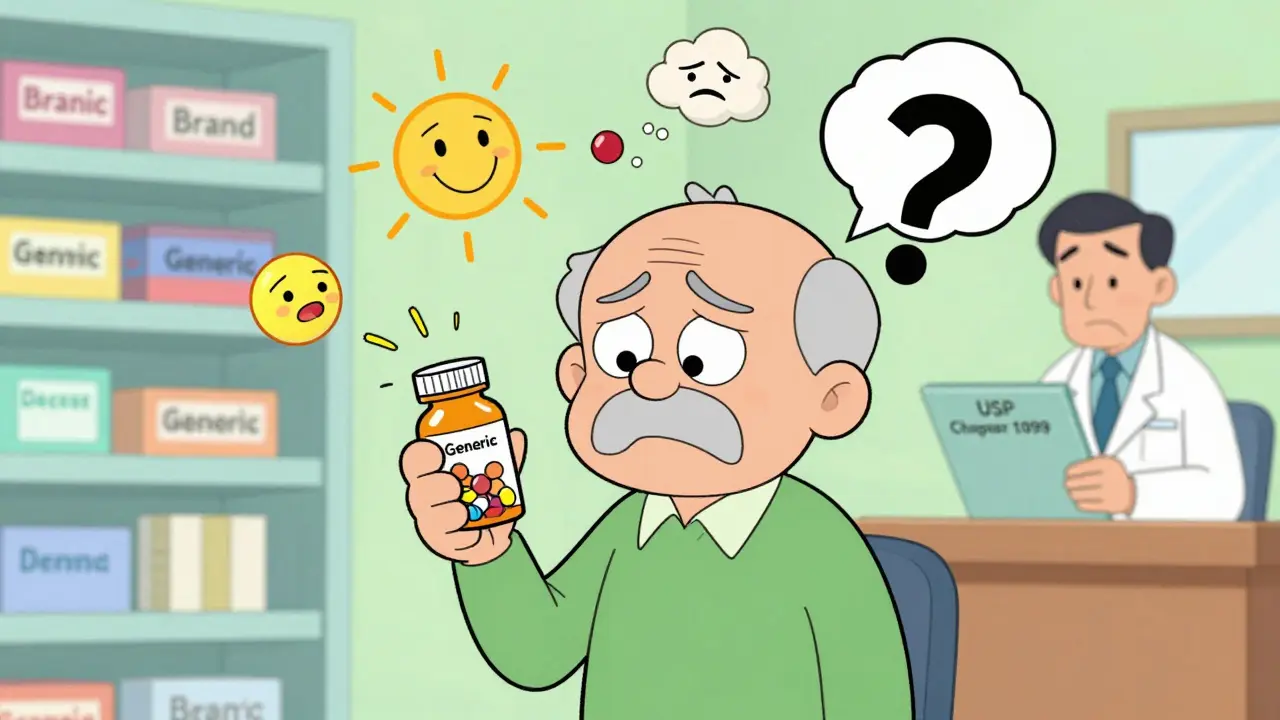
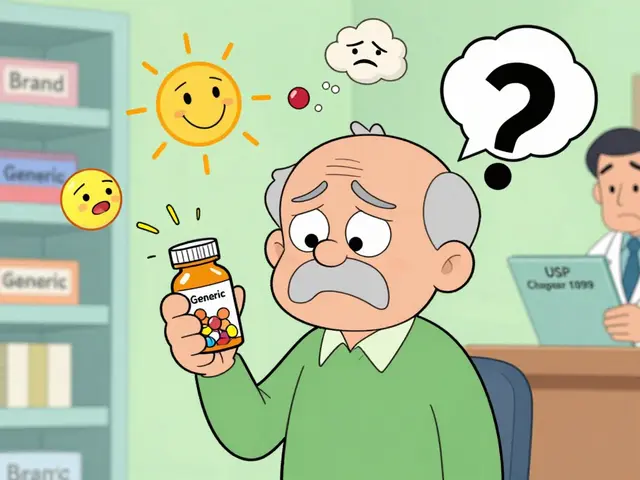
When you pick up a prescription for a generic combination drug, you expect it to work just like the brand-name version. After all, the active ingredients are the same. But what if the problem isn’t the medicine itself-it’s everything else in the pill? Fillers, coatings, binders, dyes-these inactive ingredients can make a surprising difference, especially for people who are sensitive, elderly, or managing complex health conditions.
Why Generic Combinations Aren’t Always Identical
The FDA requires generic drugs to contain the same active ingredients in the same strength as the brand-name version. That’s the law. But beyond that, manufacturers have freedom. They can use different salts, different release mechanisms, and completely different inactive ingredients. This isn’t a loophole-it’s how the system was designed to keep generics affordable. The Hatch-Waxman Act of 1984 let generic companies skip expensive clinical trials by proving bioequivalence instead. That means they only need to show their drug is absorbed into the bloodstream within 80-125% of the brand’s levels. That’s a wide range. But absorption isn’t everything. For extended-release pills, inhalers, or patches, how the drug is released matters just as much as how much gets into the blood. A generic version of Advair Diskus, for example, might have the same fluticasone and salmeterol, but if the powder’s particle size or the inhaler’s mechanics differ slightly, less of the drug reaches the lungs. A 2021 study found some generic inhalers delivered 15-20% less medication to the lungs than the brand. That’s not just a technicality-it can mean more rescue inhaler use, more flare-ups, more ER visits.Who’s Most at Risk?
Most people switch to generics without any issue. In fact, 98.5% of substitutions go smoothly. But for some, even small changes trigger real problems. The FDA calls these drugs narrow therapeutic index (NTI) medications. That means the difference between a helpful dose and a harmful one is tiny. Think warfarin, levothyroxine, or certain seizure medications. For these, a 5% change in absorption can mean a blood clot, a thyroid crisis, or a seizure. A 2020 study of nearly 90,000 Medicare patients switching from brand to generic levothyroxine found that 12.3% needed a dose adjustment because their TSH levels changed. That’s more than 1 in 8 people. For combination drugs like metformin/sitagliptin (used for type 2 diabetes), patients on Reddit reported sudden nausea, bloating, or diarrhea after switching-symptoms they never had with the brand. In many cases, the issue wasn’t the active drugs. It was the filler. One common culprit? Lactose. If you’re lactose intolerant, even a tiny amount in a pill can cause digestive distress. Another? Magnesium stearate. Used as a lubricant, it’s harmless to most, but can slow down drug release in sensitive individuals.The Hidden Cost of Savings
Generics save money. A lot of it. On average, they cost 85% less than brand-name drugs. Medicare saved over $1.6 trillion between 2006 and 2019 just by using generics. But that savings isn’t evenly distributed. The people who benefit most are those on fixed incomes, on Medicaid, or with high-deductible plans. The people who pay the price-sometimes literally-are those who experience side effects, hospitalizations, or treatment failure after a switch. A 2022 survey of community pharmacists found that 34% had received patient complaints about generic combination drugs. The top issues? Gastrointestinal upset (41%), skin reactions (29%), and reduced effectiveness (22%). On PatientsLikeMe, 23.7% of users who switched to generics reported adverse effects. The highest rates? Psychiatric meds and thyroid drugs. These aren’t rare edge cases. They’re common enough that doctors are starting to track them.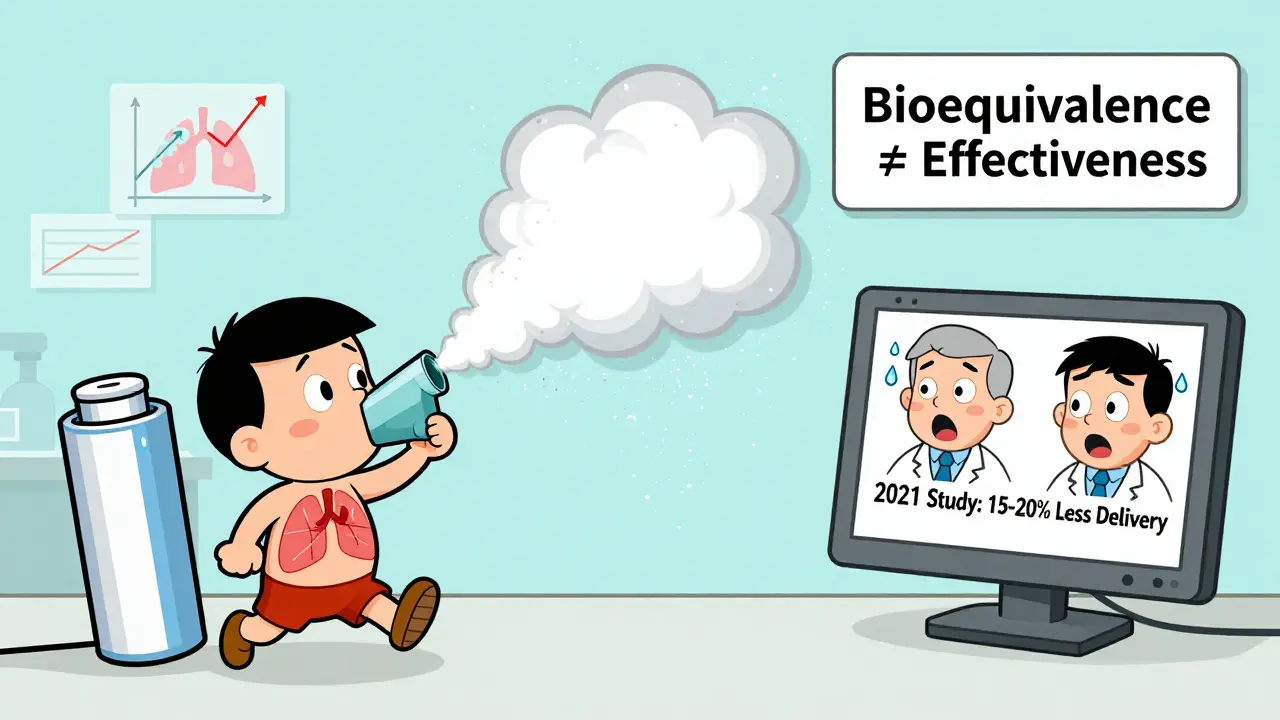
What Pharmacists and Doctors Are Doing About It
Pharmacists aren’t just filling prescriptions-they’re becoming gatekeepers. The USP Chapter <1099> guidelines recommend a five-step check before substituting a generic combination:- Is this a narrow therapeutic index drug?
- Has the patient ever had a bad reaction to a generic before?
- What’s the bioequivalence data? Is it solid?
- Does the patient have allergies to any inactive ingredients?
- Is their condition stable right now?
What You Can Do
If you’re taking a combination drug-especially for thyroid, epilepsy, heart rhythm, or mental health-here’s what to do:- Ask your pharmacist: “Is this the brand or a generic? What’s the manufacturer?”
- Check the label. Look for the manufacturer name and inactive ingredients. They’re listed in small print.
- If you switch generics and feel different-worse, not better-don’t assume it’s ‘just in your head.’ Document it. Note the date, the symptoms, the drug name and manufacturer.
- Ask your doctor: “Can we stay on the brand if this keeps happening?” Some insurers will approve it if you show a pattern of problems.
- Consider an authorized generic. These are made by the brand company but sold under a generic label. They’re identical to the brand, just cheaper. They cost more than regular generics, but less than the brand.
The Future Is Changing
The FDA is finally catching up. In 2023, they approved Teva’s generic version of Advair Diskus-but only after requiring the inhaler device to match the brand’s performance exactly. That’s new. That’s a big deal. It shows regulators are starting to treat delivery systems as part of the drug, not just packaging. The NIH launched a $12.5 million project in early 2023 to build better models predicting how formulation differences affect real patients. The Generic Pharmaceutical Alliance promised to list all inactive ingredients clearly on labels by 2025. And starting in Q2 2024, the FDA will require formal reporting of adverse events linked to generic formulation differences. The goal isn’t to stop generics. It’s to make them safer. Because for millions, generics are the only option. But for some, the difference between a pill and a problem isn’t the active ingredient. It’s the filler.When Generic Isn’t Good Enough
Generic drugs saved the U.S. healthcare system billions. But they’re not magic. They’re chemistry. And chemistry doesn’t always behave the same way when the ingredients change-even if the main ones don’t. If you’ve ever felt off after switching to a generic combination, you’re not imagining it. You’re not alone. And you’re not wrong to ask for better.Are generic combination drugs always safe to switch to?
For most people, yes. But not always. Generic combination drugs are required to be bioequivalent to the brand, but they can contain different inactive ingredients. For patients with narrow therapeutic index drugs-like warfarin, levothyroxine, or epilepsy meds-even small changes in absorption or release can cause problems. If you notice new side effects or reduced effectiveness after switching, talk to your doctor and pharmacist.
How do I know if my generic drug has different ingredients?
Check the label on the pill bottle. The inactive ingredients are listed there, usually in small print. You can also ask your pharmacist for the manufacturer’s name and look up the product online using the National Drug Code (NDC). Some pharmacies provide printed ingredient lists upon request. If you have allergies (like to lactose or dyes), always confirm the ingredients before accepting a substitution.
What’s the difference between a regular generic and an authorized generic?
A regular generic is made by a different company and may use different inactive ingredients. An authorized generic is made by the original brand-name manufacturer but sold under a generic label. It’s chemically identical to the brand, including the same fillers and coatings. Authorized generics cost more than regular generics but still less than the brand-usually 60-70% cheaper. They’re a good option if you’ve had problems with other generics.
Can I ask my doctor to keep me on the brand-name drug?
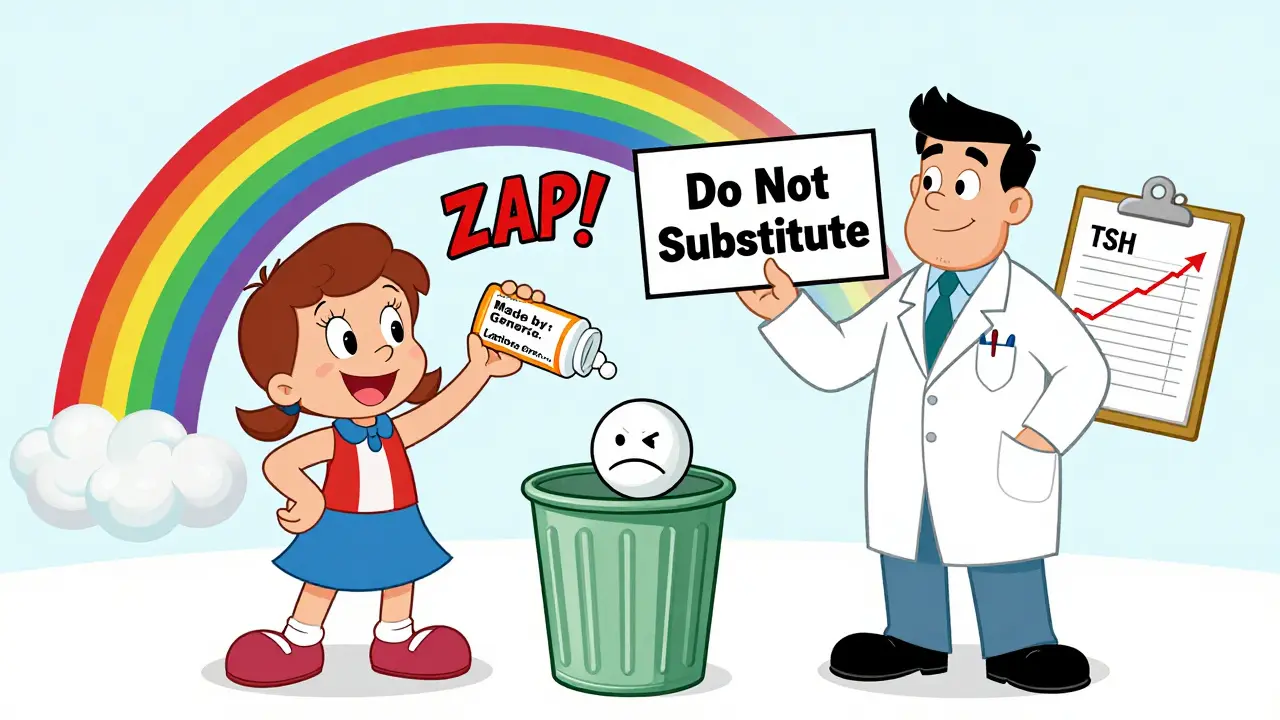
Yes. If you’ve experienced side effects or reduced effectiveness after switching to a generic, your doctor can write a prescription that says "Do Not Substitute" or "Dispense as Written." Many insurance plans will approve this if you can document the issue-like lab results showing unstable TSH levels or a log of increased symptoms. Don’t be afraid to advocate for what works for you.
Why don’t pharmacies always warn me about generic switches?
In most states, pharmacists are legally allowed to substitute a generic unless the prescription says otherwise. They often assume the patient is okay with it. But many patients aren’t told about the switch until they pick up the bottle. Some states now require disclosure for narrow therapeutic index drugs, but it’s not universal. Always ask: "Is this the same as my last prescription?" It’s your right to know.
Rajni Jain
December 26, 2025 AT 14:44i switched to a generic thyroid med last year and felt like a zombie for 3 weeks. no one believed me until my TSH went off the charts. turns out the filler had lactose. i’m lactose intolerant. who knew pills had dairy? 😔
Natasha Sandra
December 28, 2025 AT 03:12OMG YES!! I’ve been screaming about this for years 🙌 My asthma got worse after switching generics-turned out the inhaler’s particle size was off. Now I beg my doc for the brand. Worth every penny. #GenericFail
Erwin Asilom
December 30, 2025 AT 03:11The FDA’s bioequivalence range of 80–125% is scientifically indefensible for narrow therapeutic index drugs. A 25% variance in absorption is not merely a statistical artifact-it is a clinical risk. This is not a matter of cost savings; it is a matter of patient safety.
sakshi nagpal
December 31, 2025 AT 15:49This is such an important topic. In India, many patients are switched to generics without any counseling. I’ve seen elderly patients collapse after switching to a new batch. We need better education-not just for patients, but for pharmacists too.
Sandeep Jain
December 31, 2025 AT 23:45my grandma took a generic blood pressure med and started fainting. doc said it was ‘just age’ but i checked the label-new filler was magnesium stearate. switched back to brand, she’s fine now. why don’t they tell us this stuff?
roger dalomba
January 2, 2026 AT 04:19Wow. A whole article about pills having different junk in them. Groundbreaking. Next you’ll tell me water isn’t always H₂O.
Brittany Fuhs
January 3, 2026 AT 14:57Why are we letting foreign manufacturers cut corners on American medicine? This is why we need tariffs on Indian and Chinese generics. We’re literally poisoning our own people for $2 savings.
Steven Destiny
January 5, 2026 AT 11:04Don’t give up! You’re not crazy. If you’ve had issues, keep pushing. Doctors listen when you bring data. I fought my insurance for 6 months to stay on my brand-won. Now I’m thriving. You got this.
Fabio Raphael
January 5, 2026 AT 16:13Has anyone looked into whether the inactive ingredients in generics affect gut microbiome differently? I wonder if the bloating and nausea people report are tied to changes in prebiotic content or pH modifiers in the pill coating.
Amy Lesleighter (Wales)
January 7, 2026 AT 07:14if your pill makes you feel weird after switching, it’s not you. it’s the filler. write it down. show your doc. fight for what works. simple as that.
Becky Baker
January 9, 2026 AT 02:43Why are we letting China make our medicine? This is national security. We should ban all foreign generics. Buy American or stay sick.
Sumler Luu
January 10, 2026 AT 01:22I appreciate the depth of this post. As a pharmacist, I’ve started asking patients directly: ‘Have you noticed any changes since your last refill?’ It’s made a huge difference in catching issues early.
Sophia Daniels
January 10, 2026 AT 20:09Oh honey. You think this is bad? Wait until you find out your antidepressant’s new generic has titanium dioxide-linked to inflammation. And no one told you. Welcome to Big Pharma’s backdoor. 💀
Nikki Brown
January 10, 2026 AT 21:41People who complain about generics are just lazy. If you can’t handle a little difference, maybe you shouldn’t be on medication at all. Just take the pill and stop whining.
Peter sullen
January 12, 2026 AT 18:49It is imperative to acknowledge that the current regulatory framework governing bioequivalence thresholds, as codified under the Hatch-Waxman Act, is fundamentally insufficient for drugs possessing a narrow therapeutic index. A paradigm shift toward formulation-specific equivalence, inclusive of dissolution profiles and excipient compatibility matrices, is not merely advisable-it is an ethical imperative.