
Medical Device Recall Checker
Enter your device information to check if it's currently recalled by the FDA. This tool uses the official FDA recall database.
Remember: Don't wait for a recall notice. Most patients don't know their device is recalled until they check.
Always contact your doctor if your device is recalled. Never remove or adjust your device yourself.
When you get a medical implant, a pacemaker, a hip replacement, or even a life-saving drug, you’re not just receiving treatment-you’re receiving a specific batch of a product. That batch has a lot number, a unique code that ties it back to when and where it was made. Most patients never think about it. But if something goes wrong, that number could be the difference between a quick fix and a serious health crisis.
Why Lot Numbers Matter
Lot numbers aren’t just random codes. They’re lifelines. If a device or medicine is found to be defective, manufacturers and regulators use lot numbers to find exactly which patients are at risk. Without them, recalls would mean pulling every single product off the shelf-even the ones that are perfectly safe. That’s expensive, disruptive, and dangerous. Imagine being told to replace your entire heart valve because one in 10,000 had a flaw. Now imagine being told only your specific valve, made on January 5, 2023, is affected. That’s what lot tracking does.The U.S. Food and Drug Administration (FDA) has required this level of tracking since the 1990s, especially for devices that keep you alive or stay inside you for over a year. In 2023 alone, there were over 6,700 medical device recalls. Nearly 1 in 10 of those were Class I-the most serious kind, where failure could cause death or serious injury. The system works because manufacturers must record every lot number, where it went, and who received it.
What Your Implant Card Tells You
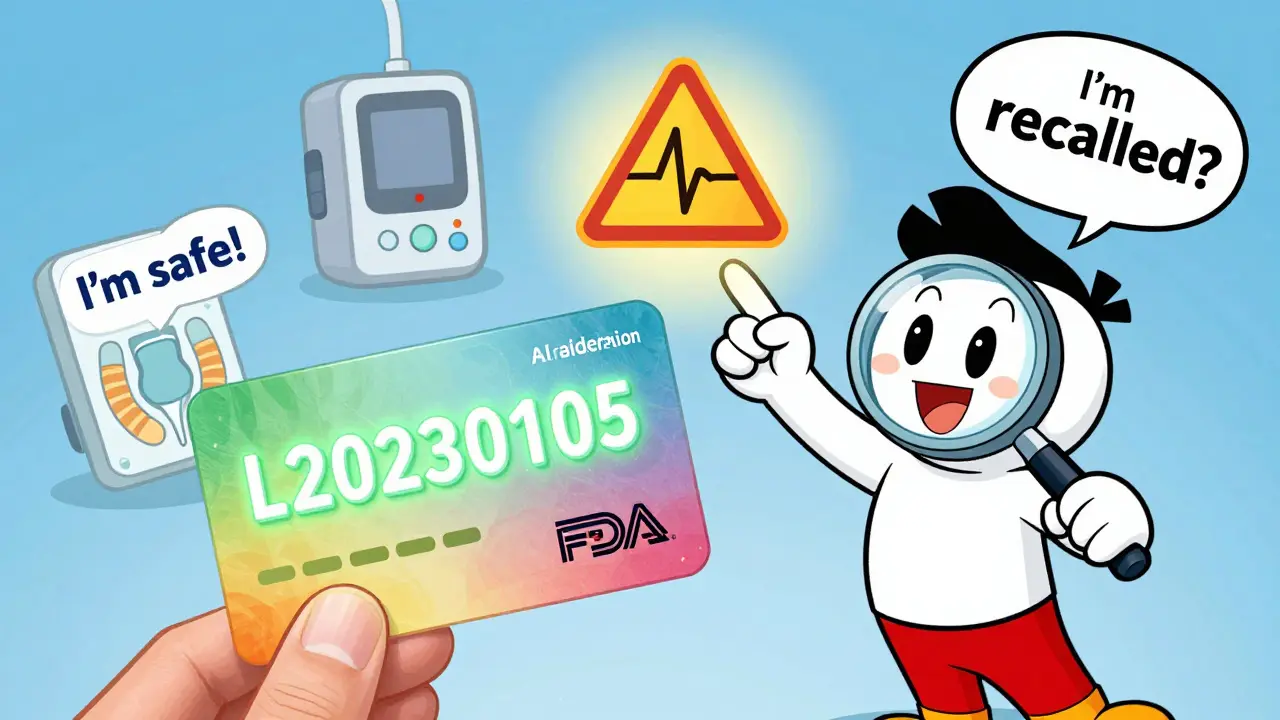
After surgery, you’re usually given a small card. It might look like a loyalty card. But it’s your most important medical document. It lists the device name, model, serial number, and the lot number. For example: Medtronic Pacemaker Model 505, Lot #L20230105. That number tells you exactly which production batch you got. The ‘L20230105’ means it was made on January 5, 2023.But here’s the problem: 68% of patients can’t find their card when asked. Many lose it. Others never realize its importance. If you don’t have it, you’re flying blind during a recall. Don’t wait until something goes wrong. Right after surgery:
- Take a clear photo of the card with your phone.
- Save it in a folder labeled “Medical Devices” on your phone or cloud drive.
- Write down the lot number in your notes app.
Keep the physical card in a sealed plastic sleeve inside your medical file. Your surgeon’s office should also have a copy in your records. But don’t rely on them-hospitals change systems, files get misplaced, doctors retire. Your copy is your backup.
How to Check for Recalls
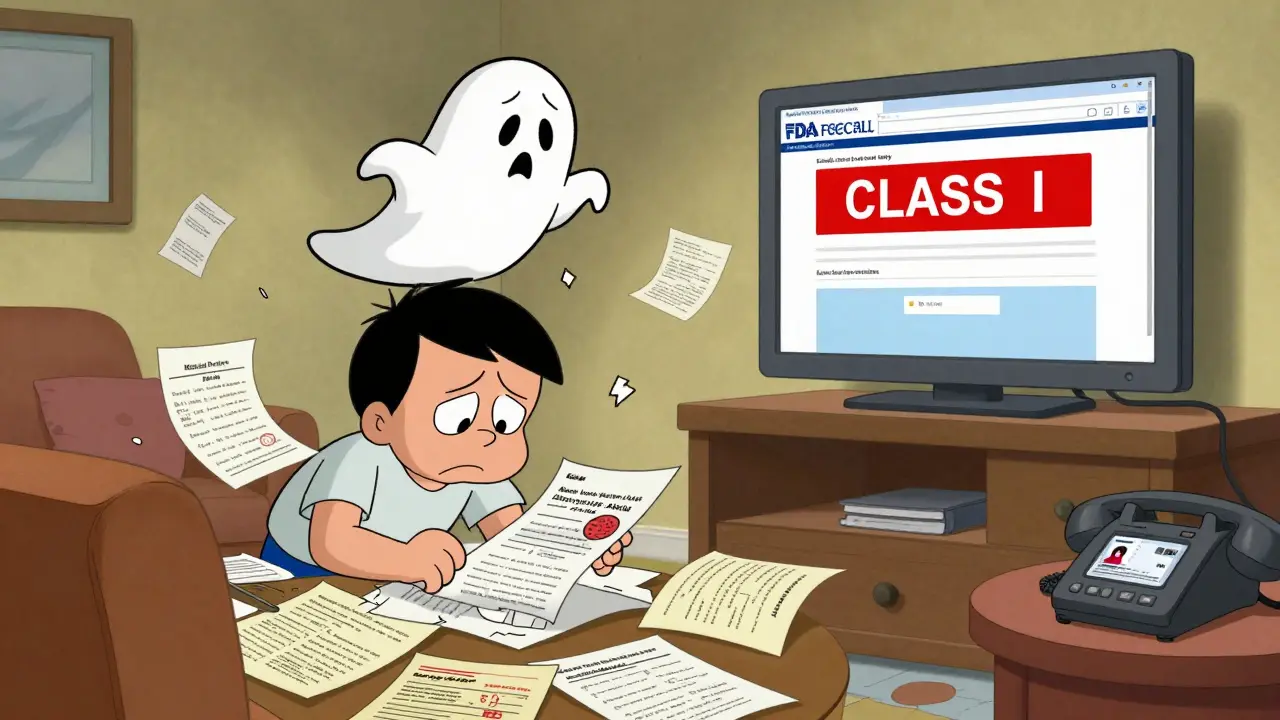
You can’t wait for a letter. Manufacturers don’t always reach everyone. The FDA’s recall database is updated daily and free to use. Go to fda.gov/medical-device-recalls. Search by device name, manufacturer, or lot number. If you don’t know the exact name of your device, your implant card or surgical report will have it.Class I recalls are the most urgent. These are for devices that could cause death or serious injury. Class II are less severe but still need attention-like a battery that might die early. Class III are low risk, often just labeling errors. The FDA labels each recall clearly. If your lot number matches a Class I recall, contact your doctor immediately.
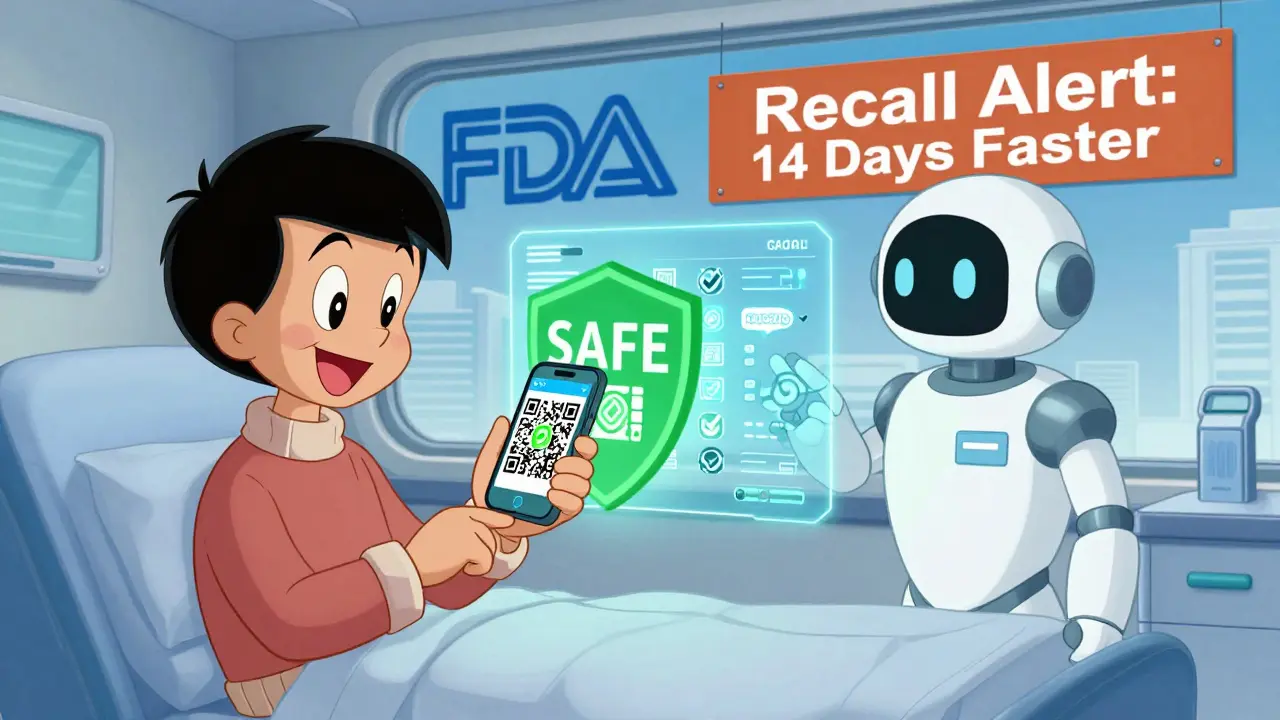
Sign up for FDA email alerts at fda.gov/medwatch. In a 2023 survey, 82% of users said this system was “highly effective.” Registered users get notified an average of 14 days faster than those who don’t. That’s two weeks you can use to plan your next steps.
What to Do If Your Device Is Recalled
If you find your lot number in a recall:- Don’t panic. Most recalls don’t mean immediate danger. Many are precautionary.
- Call your doctor or surgeon’s office. They’ll check their records and confirm if your device is affected.
- Do not remove or adjust the device yourself. Even if it’s recalled, it may still be working fine.
- Ask about replacement options. Some devices can be monitored. Others need replacement surgery.
- Ask if the manufacturer will cover costs. By law, they often must.
One patient, 'OrthoPatient87' on Reddit, waited three weeks just to confirm their hip implant was recalled. They didn’t have their card. They didn’t know where to look. That delay cost them pain, stress, and time. You can avoid this.
How Healthcare Providers Can Help
Good hospitals scan device barcodes into electronic records right after surgery. That means your lot number is automatically stored in your chart. If a recall happens, they can run a report and call you directly. But not all clinics do this. Only 78% of major manufacturers use digital tracking systems. For orthopedic devices, compliance drops to 67%. That’s why your personal tracking matters.If your provider doesn’t ask for your implant card or can’t tell you the lot number, ask why. Push for better record-keeping. You have a right to know what’s inside you.
What’s Changing in 2026
The system is getting smarter. In January 2024, the FDA launched a pilot where you can text your lot number to 311-FDA and get an instant recall status. By 2026, AI systems will cross-reference your electronic health record with recall databases and flag at-risk patients automatically. Some hospitals already use this. Epic and Cerner, the two biggest electronic health record systems, now include device lot numbers in patient portals.Companies like Medtronic and Johnson & Johnson are testing blockchain systems that let patients verify their device’s history through a mobile app. No more guessing. Just open the app, scan your card, and see if your device is safe.
But technology alone won’t fix this. The biggest gap isn’t systems-it’s awareness. Only 31% of Americans know what a lot number is. That’s why your action matters. If you know how to track yours, you’re ahead of most patients.
What to Avoid
Don’t wait for a recall notice. Don’t assume your doctor will call you. Don’t ignore the card. Don’t throw away manuals or receipts. If you’re on blood thinners and your heart valve is recalled, that’s not something you can afford to miss. If you have a diabetic pump and the battery batch is faulty, that’s a risk you can’t ignore.Some patients refuse to share their lot number out of privacy concerns. That’s valid. But the FDA now offers anonymized tracking options. You can report your device type and lot number without giving your name. It still helps them track problems and protect others.
And don’t trust manufacturer websites alone. They may not update them fast. The FDA database is the official source. Always check there first.
Final Checklist
Here’s what you should do today:- Find your implant card or surgical report.
- Take a photo of the lot number and save it.
- Go to fda.gov/medical-device-recalls and search your device.
- Sign up for FDA recall emails at fda.gov/medwatch.
- Ask your doctor if they track lot numbers in your record.
- Set a calendar reminder to check for recalls every three months.
It takes less than 20 minutes. But if you ever need it, those few minutes could save your life.
Andrew Mamone
March 18, 2026 AT 18:03MALYN RICABLANCA
March 20, 2026 AT 03:02gemeika hernandez
March 21, 2026 AT 04:23Nicole Blain
March 21, 2026 AT 08:31Kathy Underhill
March 21, 2026 AT 15:53Srividhya Srinivasan
March 22, 2026 AT 09:45Prathamesh Ghodke
March 22, 2026 AT 11:12Stephen Habegger
March 23, 2026 AT 03:40Justin Archuletta
March 23, 2026 AT 23:21Sanjana Rajan
March 24, 2026 AT 23:03Kyle Young
March 26, 2026 AT 03:11