Thyroid Antibodies: What They Mean and How They Affect Your Health
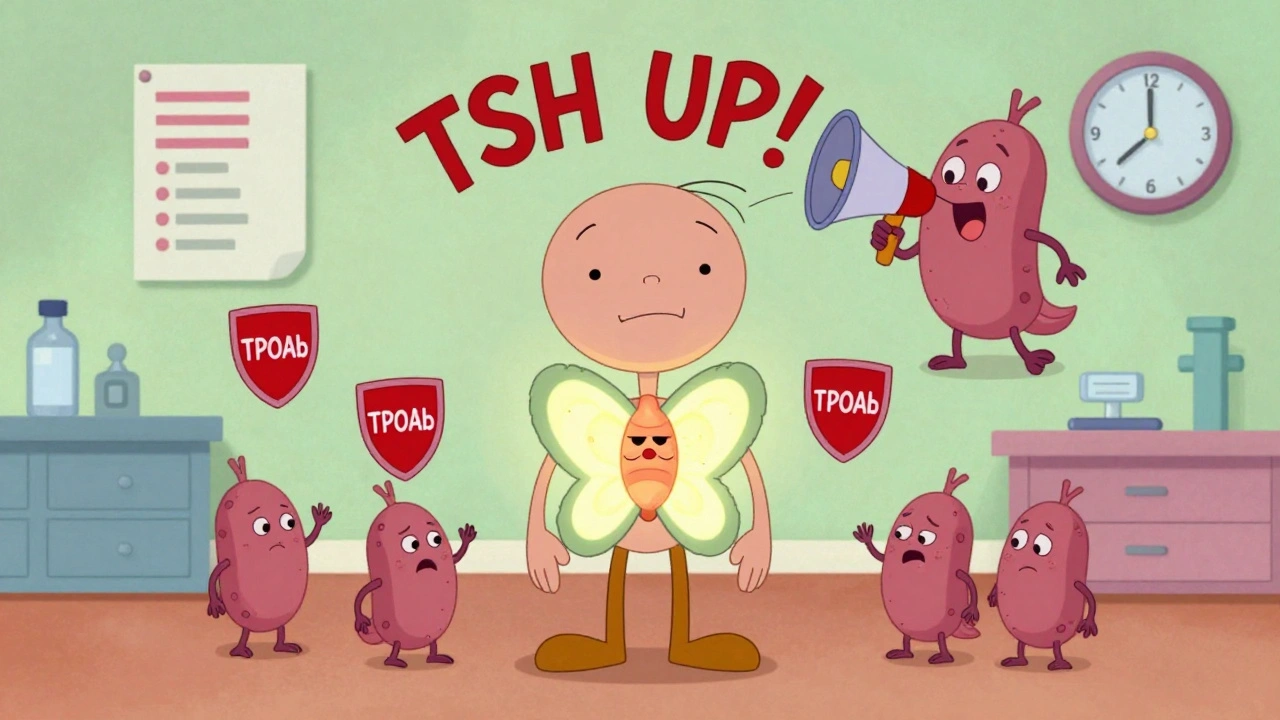
When your immune system starts attacking your own thyroid, it releases thyroid antibodies, proteins that mistakenly target thyroid tissue, leading to inflammation and dysfunction. These antibodies are a key sign of autoimmune thyroid disease, a group of conditions where the immune system turns against the thyroid gland. The two most common types are TPO antibodies (thyroid peroxidase) and TG antibodies (thyroglobulin), and their presence often points to Hashimoto's, the leading cause of hypothyroidism in the U.S. or Graves' disease, the most common cause of hyperthyroidism.
Unlike regular thyroid hormone tests, which measure how well your thyroid is working, thyroid antibody tests show why it’s not working. You can have normal TSH and T4 levels but still have high antibodies—meaning damage is happening before symptoms show. That’s why many people with fatigue, weight gain, hair loss, or brain fog get tested for these antibodies even when their thyroid numbers look fine. Studies show that people with elevated antibodies are far more likely to develop full-blown thyroid disease within five years. And while not everyone with antibodies will get sick, knowing your status lets you act early—through diet, stress management, or monitoring—before your thyroid gives out.
These antibodies don’t just show up out of nowhere. They’re linked to other autoimmune conditions like type 1 diabetes, celiac disease, and rheumatoid arthritis. If you have one, you’re more likely to develop others. That’s why doctors often check for multiple antibodies when one shows up. And while there’s no cure yet, managing triggers like gluten, vitamin D deficiency, or chronic stress can help slow the attack. Some people see antibody levels drop with lifestyle changes alone. Others need medication to control the damage. Either way, understanding your antibody numbers gives you real power over your health.
Below, you’ll find real-world guides on how thyroid antibodies connect to lab test errors, medication side effects, and immune system imbalances—like how high-dose biotin can mess with your thyroid results, or how immunosuppressants might trigger hair loss in people with underlying thyroid autoimmunity. These aren’t theoretical articles. They’re practical, tested insights from people who’ve been there.
 1 Dec 2025
Hashimoto’s thyroiditis is the leading cause of hypothyroidism, where the immune system attacks the thyroid. TSH monitoring is the cornerstone of treatment, guiding levothyroxine dosing to restore normal thyroid function. Learn how to manage it effectively.
View More
