Bradycardia: Causes, Risks, and Medications That Affect Your Heart Rate
When your heart beats slower than 60 times per minute, you might have bradycardia, a condition where the heart’s natural pacing is too slow to meet the body’s needs. Also known as slow heart rate, it’s not always a problem—athletes and healthy people often have it naturally. But when it causes dizziness, fatigue, or fainting, it’s a signal something’s off.
Many medications can trigger or worsen bradycardia. Drugs like beta-blockers, used for high blood pressure and heart conditions, calcium channel blockers, commonly prescribed for chest pain and arrhythmias, and even some antiarrhythmics, medications designed to fix irregular heartbeats can slow your pulse too much. If you’re on any of these and feel unusually tired or lightheaded, your heart rate might be the cause. It’s not just drugs—conditions like hypothyroidism, an underactive thyroid that slows metabolism and heart function, or damage from a previous heart attack can also lead to bradycardia.
Not all slow heartbeats are bad. Sinus bradycardia, for example, is normal in young, fit people. But heart block—where electrical signals don’t travel properly through the heart—is serious. It can be mild or severe, and sometimes needs a pacemaker. The key is knowing the difference between a resting heart rate that’s low because you’re healthy, and one that’s low because your heart isn’t getting the right signals. Tests like an ECG or Holter monitor help tell the difference.
You’ll find posts here that dig into how common drugs like beta-blockers, digoxin, and even some antibiotics can drop your heart rate. Others explain how thyroid issues, electrolyte imbalances, or aging affect your pulse. There’s also advice on what to do if you feel faint, how to monitor your heart rate at home, and when to push for a doctor’s visit. This isn’t about scare tactics—it’s about knowing when your body’s signaling you to pay attention.
 25 Nov 2025
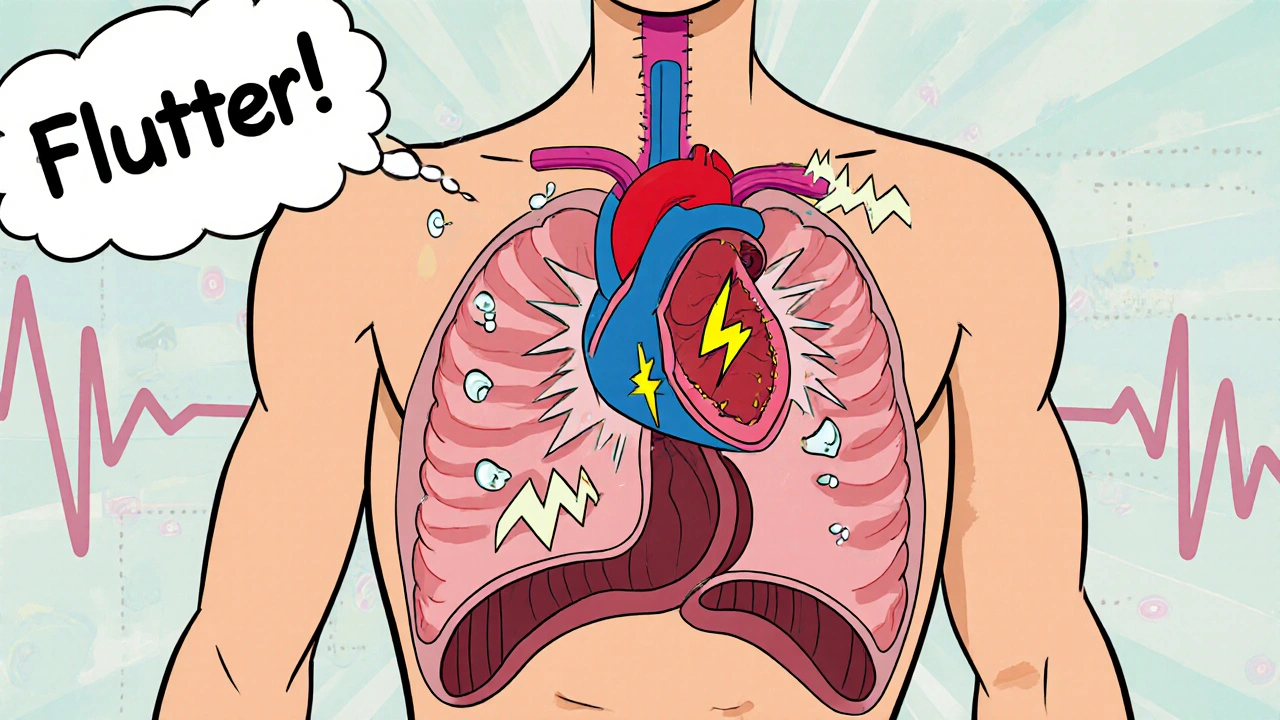
Learn about the three most common heart rhythm disorders-atrial fibrillation, bradycardia, and tachycardia-what causes them, how they’re diagnosed, and how to manage them effectively.
View More
