Biosimilars: What They Are, How They Compare to Brand Drugs, and Why They Matter
When you hear biosimilars, highly similar versions of complex biologic drugs approved after the original patent expires. Also known as biologic generics, they’re not exact copies like traditional pills—they’re made from living cells and require advanced science to match the original’s behavior in the body. Unlike regular generics, which are simple chemical duplicates, biosimilars are like identical twins to their brand-name counterparts: close enough to work the same way, but not perfectly identical in every tiny detail. That’s why they’re called similar, not the same.
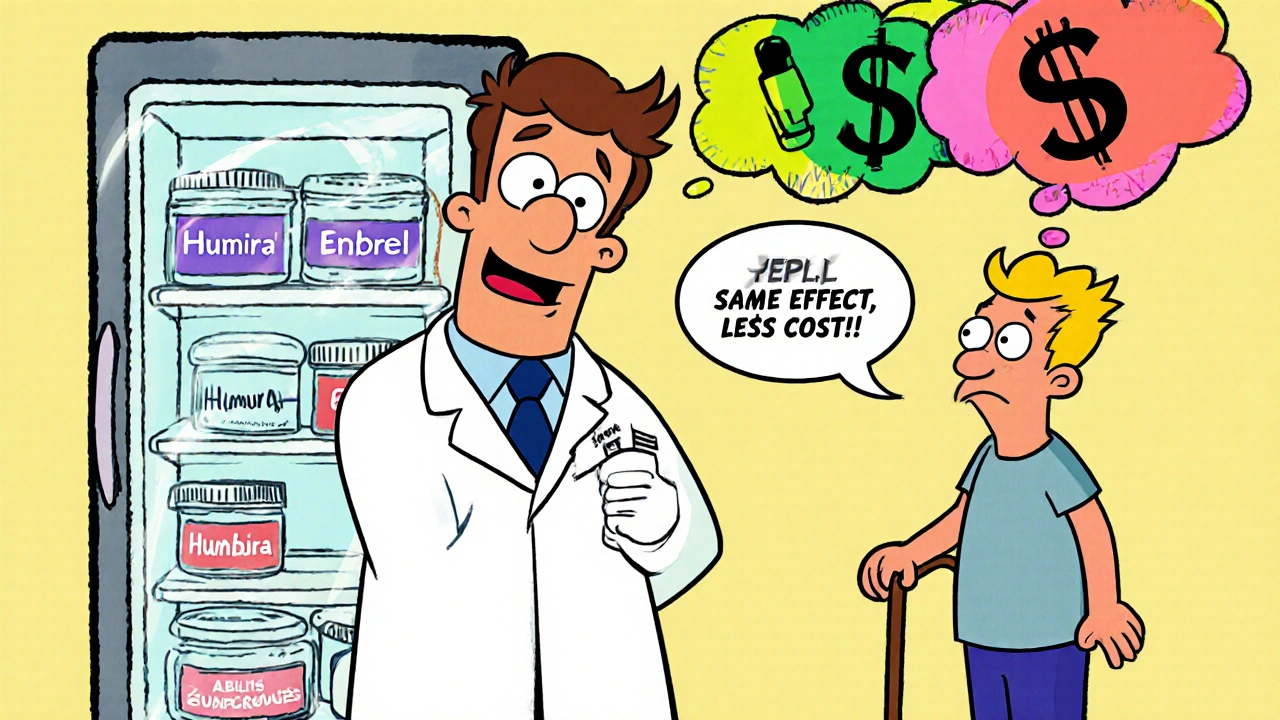
These drugs are mostly used for serious conditions like rheumatoid arthritis, Crohn’s disease, cancer, and diabetes—where the original biologics can cost over $10,000 a year. Biosimilars cut those prices by 15% to 35%, sometimes more. For example, a biosimilar to Humira might save a patient $5,000 annually. That’s not just a savings—it’s access. Many people simply can’t afford the brand name, so biosimilars make treatment possible. They’re approved by the FDA with the same strict safety standards as the original, and they’ve been used safely in Europe for over 15 years.
But they’re not the same as authorized generics, exact copies of brand-name drugs made by the same company under a different label. Authorized generics are chemically identical to the brand, while biosimilars are complex biological versions. You might also hear people confuse them with generic medications, simple, low-cost copies of small-molecule drugs like aspirin or metformin. Those are easy to replicate. Biologics? Not even close. That’s why biosimilars take longer and cost more to develop—yet still end up cheaper than the original.
Some doctors still hesitate to switch patients to biosimilars, not because they’re unsafe, but because they’re unfamiliar. Patients often worry they’re getting a lesser version. But studies show no meaningful difference in effectiveness or side effects. The FDA tracks every batch, and real-world data from millions of users confirms they work just as well. If your doctor suggests a biosimilar, ask why—not out of suspicion, but to understand the savings and safety behind the choice.
What you’ll find in the posts below are real, practical answers about how these drugs fit into everyday care. From how they compare to brand-name drugs in effectiveness, to why some insurance plans push them first, to how they’re changing the cost of treating chronic conditions—you’ll see how biosimilars aren’t just a policy buzzword. They’re a real tool helping people get the meds they need without going broke.
 29 Nov 2025
Specialty pharmacies handle high-cost, complex medications for chronic conditions. As generics and biosimilars enter this space, pharmacists must balance cost savings with patient safety, adherence, and clinical stability.
View More
