
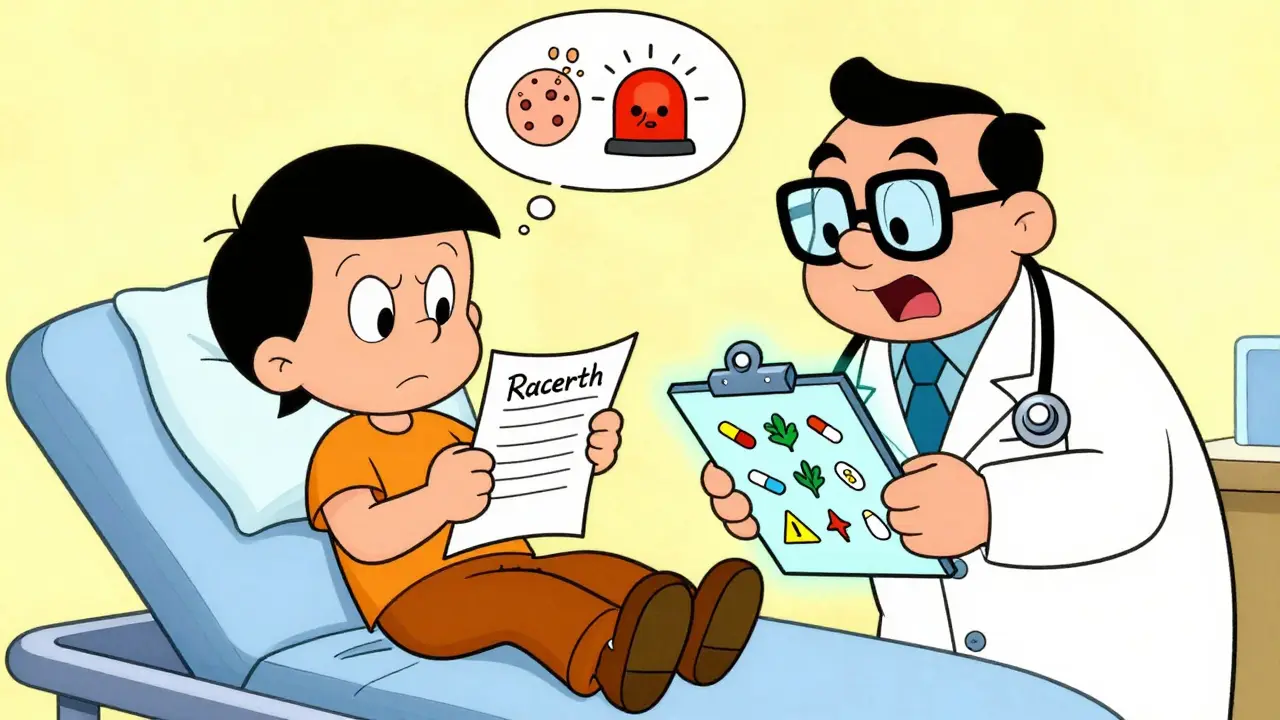
When you’re scheduled for surgery, the last thing you want is a surprise reaction to a drug you’ve never even heard of. But if you’ve had a bad reaction to a medication in the past - whether it was a rash, trouble breathing, or even vomiting that wouldn’t stop - and you don’t tell your care team, you could be putting your life at risk. The truth is, drug reactions before surgery are one of the most preventable causes of serious complications in the operating room. And it all starts with one simple step: telling the right people, the right way, at the right time.
Why This Matters More Than You Think
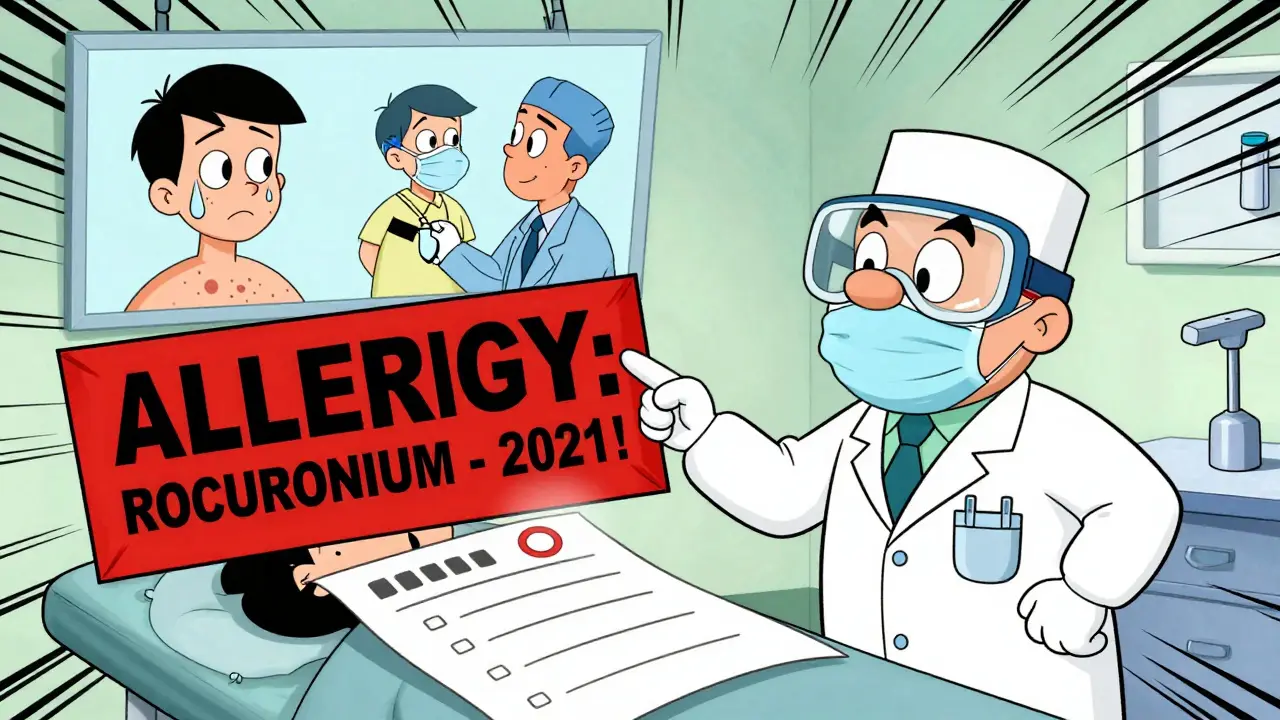
Every year, about 1 in 200 surgical patients experiences a serious drug-related problem during or right after surgery. That’s not rare. And roughly 1 in every 10,000 to 20,000 anesthetics leads to a life-threatening allergic reaction. These aren’t theoretical risks. In 2021, a patient at a U.S. hospital went into anaphylactic shock during surgery because no one knew he had a vancomycin allergy. He survived, but only because the team acted fast. That same year, another patient had a repeat reaction to rocuronium - a muscle relaxant - because his old allergy record was buried in a paper chart that wasn’t scanned into the system. Both cases were avoidable. The problem isn’t always that patients forget. It’s that they don’t know what counts. Many people say they’re “allergic” to penicillin because they got a rash as a kid. But 90% of those people aren’t truly allergic - they just had a side effect. On the flip side, others downplay a scary reaction because they think it was “just nausea.” That’s dangerous. Anesthesia teams need to know the difference between an allergy, a side effect, and a coincidence.What Counts as a Drug Reaction?
Not every bad feeling after a drug is an allergy. But you still need to report it. Here’s what to include:- True allergies: Hives, swelling of the face or throat, wheezing, low blood pressure, or anaphylaxis - these happen quickly, usually within minutes to an hour after the drug is given.
- Severe side effects: Nausea so bad you vomited for hours, a racing heart that didn’t settle, or a dangerous drop in blood pressure that needed treatment.
- Delayed reactions: A rash that showed up three days after taking a pill, or jaundice after a drug infusion. These aren’t classic allergies, but they still matter.
- Reactions to non-prescription drugs: Ibuprofen, aspirin, herbal supplements, even vitamin E can cause problems during surgery. Don’t skip these.
Even if you think it’s “not a big deal,” write it down. The team needs the full picture. A reaction to a painkiller might mean they avoid a similar drug in the operating room. A bad response to a sedative might mean they choose a different anesthetic altogether.
When and How to Talk About It
Don’t wait until the day of surgery. Start early - ideally, at least 72 hours before your procedure. That’s when most hospitals require a full medication review. Here’s how to make sure your history is heard:- Make a list - Write down every medication you’ve ever taken, even if you stopped it years ago. Include prescription drugs, over-the-counter pills, vitamins, supplements, and herbal products. If you can’t remember the name, write what it looked like or what it was for.
- Describe the reaction - Not just “I had a bad reaction.” Say: “After taking codeine, I broke out in hives and couldn’t breathe. I went to the ER and got epinephrine.” Include timing, symptoms, and treatment.
- Bring your records - If you have an old allergy card, a note from your doctor, or even a photo of a prescription label, bring it. Many hospitals now use digital allergy alerts, but not all systems talk to each other.
- Speak to the pharmacist - Most hospitals now have pharmacists who review your file before surgery. Ask to speak with them. They’re trained to spot hidden risks you might not know about.
Some patients say they’re nervous about being judged - especially if they used recreational drugs or didn’t follow medication instructions in the past. But the team isn’t there to scold you. They’re there to keep you safe. Framing it as “I want to make sure I’m okay during surgery” often opens the door to honest answers.
What Happens After You Tell Them?
Once you report a reaction, here’s what the team should do:- Document it clearly - Your allergy should be entered into your electronic health record with exact details. If it’s just listed as “penicillin allergy,” that’s not enough. It needs to say “anaphylaxis after IV amoxicillin, 2019.”
- Flag it in the system - Your chart should have a red alert that pops up for every provider - surgeons, nurses, anesthesiologists.
- Check for cross-reactivity - If you reacted to one drug, they’ll check if similar ones could cause trouble. For example, if you’re allergic to one muscle relaxant, they’ll avoid others in the same family.
- Consult an allergist if needed - For high-risk reactions, you may be referred for testing. This isn’t always possible before surgery, but if you’re having another procedure later, it’s essential.
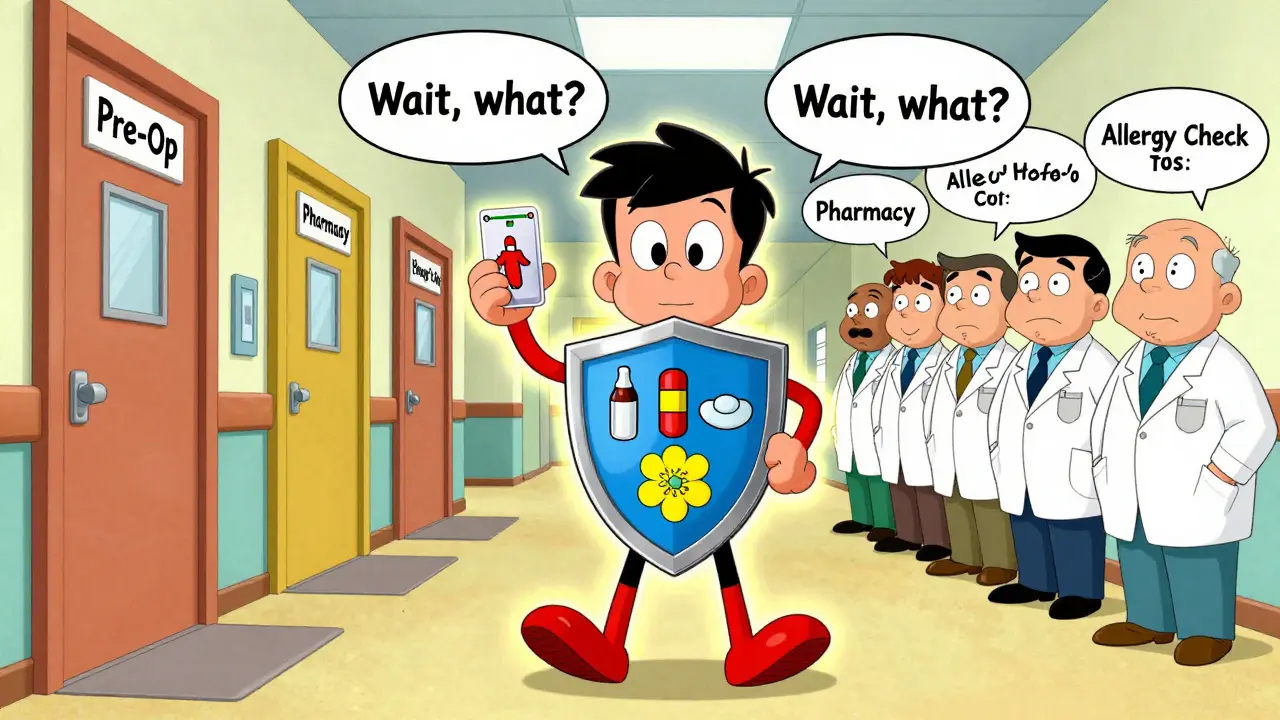
Some hospitals now give patients allergy cards - small plastic cards you can keep in your wallet. They list your reactions and emergency contacts. Ask if yours offers one. If not, make your own.
Common Mistakes (And How to Avoid Them)
- Mistake: Saying “I’m allergic to everything.” Solution: Be specific. If you reacted to one drug, don’t claim allergies to all antibiotics. That makes it harder for doctors to find a safe option.
- Mistake: Thinking “I haven’t taken that drug in years, so it doesn’t matter.” Solution: Allergies don’t disappear. Once you’ve had a serious reaction, your body remembers.
- Mistake: Assuming your primary care doctor told the surgeon. Solution: Never assume. Even if your records are shared, you’re the only one who knows your full history. Say it yourself.
- Mistake: Forgetting about supplements. Solution: St. John’s Wort, ginkgo, garlic pills - these can interfere with anesthesia. List them all.
What If You’re Having Emergency Surgery?
If you’re rushed into surgery - say, after a car crash - you won’t have time to give a full history. But even then, the team will check your medical ID bracelet, your EHR, and any available records. If you’ve had a major reaction before, consider wearing a medical alert bracelet. It could save your life.Some hospitals now use QR codes on wristbands that link to a digital profile of your allergies. Ask your doctor if that’s available. If not, keep a printed version in your wallet or phone.
What You Should Expect From Your Care Team
By 2026, 92% of accredited U.S. hospitals have formal protocols for preoperative allergy screening. That means:- A pharmacist should review your medications at least 24 hours before surgery.
- An anesthesiologist should ask about your reaction history during your pre-op visit.
- You should be asked about latex allergies - many gloves and tubing contain it.
- If you’re high-risk, they should offer a follow-up with an allergist within 4-8 weeks after surgery.
If none of this happens, speak up. You have the right to ask: “Did you check my full medication history? Are you aware of my reaction to [drug]?”
Final Advice: Be Your Own Advocate
No one knows your body better than you. A nurse might have 20 patients to see. A surgeon is focused on the procedure. But you? You’re the one who lived through the reaction. You remember the panic, the hospital visit, the weeks of recovery.Don’t be shy. Don’t assume they’ll figure it out. Write it down. Bring it with you. Say it clearly. And if you’re unsure whether something matters - tell them anyway. It’s better to be extra than to be silent.
Because in surgery, the difference between a safe procedure and a life-threatening event often comes down to one conversation - and whether you had the courage to have it.
What if I don’t remember the name of the drug I reacted to?
Don’t panic. Write down what happened - the symptoms, when it happened, how long it lasted, and what treatment you got. If you remember the color or shape of the pill, or that it was for an infection or pain, that helps too. Your care team can cross-reference it with common drugs used for that condition. Many reactions happen with antibiotics, painkillers, or muscle relaxants - they’ll start there.
Can I be tested for drug allergies before surgery?
Yes - but not always before surgery. For high-risk reactions like anaphylaxis, you’ll be referred to an allergist after your procedure. Skin or blood tests can confirm whether you’re truly allergic. But these tests take time and aren’t done in emergencies. The goal is to prevent future reactions, not necessarily to clear you for your upcoming surgery. Your team will still avoid the drug until they know for sure.
Do I need to tell them about allergies to over-the-counter drugs?
Absolutely. Drugs like ibuprofen, aspirin, and even some cold medicines can trigger reactions during surgery. They’re often used in combination with anesthesia or given post-op. If you’ve ever had a rash, swelling, or breathing trouble after taking them, include them on your list.
What if I had a reaction during a previous surgery?
This is one of the most important things to report. Reactions during surgery are often caused by anesthesia or muscle relaxants - drugs that are used again in future procedures. Tell your anesthesiologist every detail: what you felt, how long it took, what they did to treat it. This can help them choose safer alternatives next time.
Can I just say “I’m allergic to anesthesia”?
No. There’s no such thing as being allergic to “anesthesia.” Anesthesia is a mix of different drugs - some for sleep, some for pain, some to relax muscles. You might be allergic to one of them, not all. Saying you’re allergic to anesthesia makes it harder for doctors to find a safe combination. Be specific: “I reacted to rocuronium,” or “I had a rash after propofol.”
Darren Torpey
March 6, 2026 AT 09:19Man, I wish I knew all this before my knee surgery last year. I had a weird reaction to morphine-like, full-on panic attack and sweating bullets-but I just thought it was nerves. Turned out the anesthesiologist almost gave me the same drug again until I mentioned it at the last second. They switched me out and I was fine, but holy crap, that was close. Don’t be like me. Write it down. Even if it seems weird.
Justin Rodriguez
March 6, 2026 AT 11:45As a nurse who’s seen this go wrong too many times, I can’t stress this enough: patients who say 'I’m allergic to everything' are doing themselves a disservice. We need specifics. A rash from penicillin at 8 years old? Not the same as anaphylaxis at 35. If you can’t remember the name, describe the pill-color, shape, if it was for an infection. We’ve matched reactions to drugs just from that. You’re not overreacting. You’re saving your life.
Ethan Zeeb
March 8, 2026 AT 05:24They want you to speak up? Fine. But let’s be real-most docs don’t listen. I told my surgeon about a severe reaction to ketamine during a dental procedure. He nodded, said ‘got it,’ and then I watched the anesthesiologist pull out the same damn drug. I had to scream ‘NO’ in the pre-op room. They finally stopped. But why did I have to be the one to stop it? Systems fail. You can’t rely on them. You have to be loud. And if they roll their eyes? Double down.
Lebogang kekana
March 9, 2026 AT 01:28Bro, I’m from South Africa and we don’t have fancy EHRs like y’all. I had to handwrite my drug reactions on a napkin and give it to the nurse. She laughed. Then I told her I almost died in 2018 from a reaction to tramadol. She stopped laughing. Now I carry a laminated card in my wallet. If you’re reading this and you’ve ever had a scary reaction-make a damn card. Print it. Laminate it. Stick it on your fridge. Then carry it to the hospital. It’s not dramatic. It’s survival.
Jessica Chaloux
March 10, 2026 AT 06:48😭 I had a reaction to ibuprofen in college. Swollen tongue, couldn’t talk for 3 hours. I thought it was ‘just a bad side effect.’ Fast forward to 2023-I almost got it again during a dental surgery. The nurse asked if I was allergic to NSAIDs. I said ‘I think?’ She paused. Looked me dead in the eye. Said: ‘If you’re not sure, say YES.’ I did. They switched meds. I’m alive. Don’t say ‘I think.’ Say ‘YES, I’m allergic.’ Even if you’re not 100% sure. Better safe than sorry. 💙
Mariah Carle
March 10, 2026 AT 22:12There’s a metaphysical layer here. We treat drug reactions like medical facts, but they’re actually echoes of our bodies screaming. The body doesn’t lie. If it reacted once, it remembers. It’s not about science alone-it’s about honoring the intelligence of your own biology. When you downplay a reaction, you’re not just ignoring a symptom-you’re silencing a truth your cells have been carrying since that moment. Speak up. Not for the chart. For the self.
Raman Kapri
March 11, 2026 AT 22:49Let me address the elephant in the room: the entire premise of this article is flawed. You assume all patients are rational actors who care about their own safety. But many are illiterate, distrustful of medicine, or simply don’t have access to healthcare records. And you blame them for not ‘speaking up’? That’s victim-blaming disguised as patient empowerment. The system needs to be redesigned-not the patient. Stop putting the burden on the vulnerable.
Megan Nayak
March 13, 2026 AT 02:06Oh wow, another ‘be your own advocate’ pep talk. How quaint. You know what’s really dangerous? The fact that hospitals still rely on patients to remember obscure drug names from 15 years ago. And then act shocked when they forget. Meanwhile, the same hospitals refuse to integrate pharmacy databases across systems. Or train staff to ask open-ended questions instead of ‘Are you allergic to penicillin?’ (which 90% say yes to, even if they’re not). This article is a distraction. It’s not about you speaking up. It’s about them fixing their broken system. And they won’t. Because it’s cheaper to blame you.
Tildi Fletes
March 13, 2026 AT 06:25It is imperative to underscore the clinical significance of accurate preoperative medication history documentation. Failure to accurately convey prior adverse drug events may result in life-threatening perioperative complications, particularly in the context of anesthetic agent cross-reactivity. For instance, a documented reaction to succinylcholine necessitates avoidance of all depolarizing neuromuscular blocking agents, not merely the one previously encountered. Furthermore, the integration of pharmacogenomic data into preoperative screening protocols may offer future predictive capacity, though current reliance remains on patient self-reporting. Therefore, meticulous, unambiguous communication is not merely advisable-it is a non-negotiable component of surgical safety.
Siri Elena
March 14, 2026 AT 17:24Oh sweetie, you think writing down ‘I had a rash’ is enough? Honey, I had a reaction to a banana. Should I list that too? 🤡 I mean, if we’re being honest, half the people here probably think ‘allergy’ means ‘I don’t like it.’ But hey, I’m sure the anesthesiologist will be thrilled to hear about your 2010 reaction to Advil while you were on vacation in Cancun. Maybe next time, just skip surgery and go to a spa. 😘
Chris Beckman
March 16, 2026 AT 01:59ok so i had a bad reaction to codeine once and i told my doc and he said oh thats common dont worry. then i had surgery and they gave me codeine again and i was in the er for 12 hours. now i just say i have a 'drug sensitivity' because if i say 'allergy' they think i'm dramatic. but really its just that no one listens. also i think they should have like a tattoo or something. 'allergic to rocuronium' on my forearm. that'd be hard to miss. also i think we need a national database. like a drug allergy airbnb. just saying.
Levi Viloria
March 16, 2026 AT 21:40Been on both sides of this. I’m a paramedic. I’ve seen people come in after surgery with full-body rashes because someone didn’t document a reaction from 10 years ago. And I’ve also been the patient-had a delayed reaction to vancomycin after a hip replacement. No one asked about supplements. I didn’t think St. John’s Wort mattered. Turns out it messes with anesthesia metabolism. I was in ICU for three days. Now I carry a list. I update it every time I see a new doctor. It’s not about being paranoid. It’s about being prepared. If you’ve ever woken up in a hospital wondering why you’re in pain, you’ll get it.
Richard Elric5111
March 18, 2026 AT 06:11One cannot help but observe that the ontological foundation of this discourse rests upon an epistemological presupposition: that patient agency is sufficient to mitigate systemic failures in clinical documentation. This is, of course, a fallacy. The burden of memory, translation, and articulation is disproportionately imposed upon those least equipped to bear it-those without education, access, or linguistic fluency. To advocate for personal responsibility in this context is to engage in a form of neoliberal sanitization of institutional neglect. The solution does not reside in the patient’s notebook, but in the architecture of the electronic health record itself.
Dean Jones
March 19, 2026 AT 02:01There’s something deeply human about this whole thing. We’re not just talking about drugs and reactions-we’re talking about trust. The moment you have to explain to a stranger in scrubs why you almost died from a pill you took in 2007, you’re not just giving medical info. You’re handing over a piece of your vulnerability. And most of the time, they don’t even look up from their screen. They nod, check a box, and move on. That’s not care. That’s procedure. And yet, here we are, expected to keep doing this, over and over, because the system is too broken to do it for us. We’re not just patients. We’re unpaid data entry clerks for a healthcare machine that doesn’t care enough to automate the one thing that could save our lives. And we’re supposed to be grateful? No. We’re supposed to be furious. And we should be. Because if your body remembers, the system should too. And it doesn’t. And that’s not your fault. That’s the system’s.