| Feature | Immediate Reaction | Delayed Reaction |
|---|---|---|
| Onset Time | Within 1 hour | 5 days to 8 weeks |
| Primary Mechanism | IgE Antibodies | T-cells (Type IV) |
| Common Symptoms | Hives, Anaphylaxis | Rash, Fever, Organ Inflammation |
| Risk Level | Acute/Sudden | Can be systemic and life-threatening |
Why do these reactions happen so late?
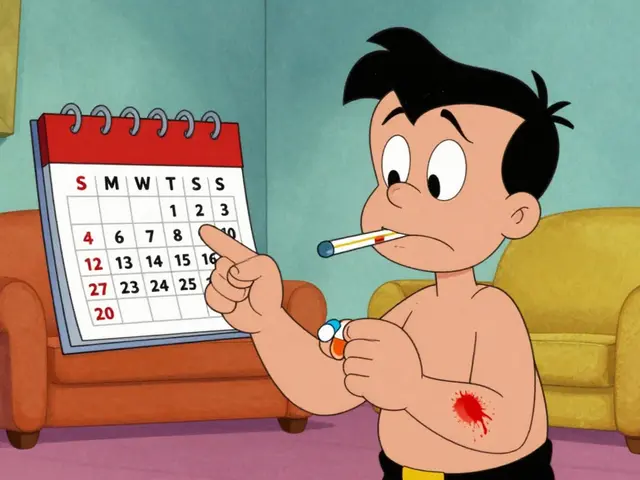
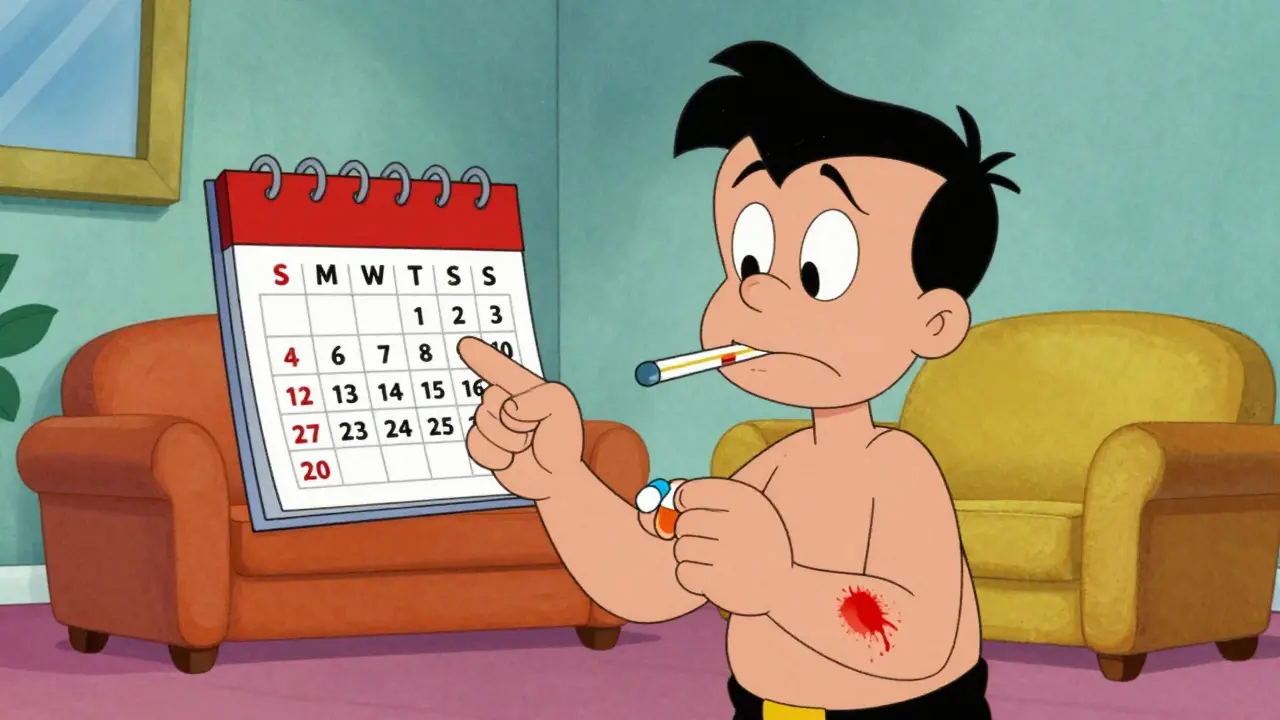
Unlike a quick-hit allergy, delayed reactions are primarily driven by T-cells. Your body isn't just reacting to the drug; it's building a complex immune response. According to the Coombs and Gell framework, these are often Type IV hypersensitivities. Essentially, the drug acts as a trigger that tells your T-lymphocytes to attack your own tissues. There are a few ways this happens. Some drugs bind directly to your immune receptors (the p-i concept), while others act as "haptens," sticking to proteins in your body and making them look like foreign invaders. In some cases, the drug actually changes how your proteins are presented to your immune system. This slow buildup is why you might feel perfectly fine for the first ten days of a treatment, only to have your system "flip a switch" in the third week.Common types of delayed reactions
Not all late-onset reactions are the same. They range from a simple itchy rash to severe conditions that require ICU admission.- Maculopapular Exanthema (MPE): This is the most common version, appearing in 80-90% of cases. It's typically a flat, red rash that looks like measles. It usually peaks around day 8 and is generally mild, though it can be incredibly irritating.
- DRESS Syndrome: Short for Drug Reaction with Eosinophilia and Systemic Symptoms. This is a serious condition where the rash is accompanied by a high fever and inflammation of internal organs, like the liver or kidneys. It typically hits between 2 and 8 weeks after starting the drug.
- Stevens-Johnson Syndrome (SJS) and Toxic Epidermal Necrolysis (TEN): These are medical emergencies. The skin literally begins to blister and peel off in sheets. SJS involves less than 10% of the body, while TEN involves more than 30%. These often appear 1 to 4 weeks after exposure.
- AGEP (Acute Generalized Exanthematous Pustulosis): This presents as hundreds of tiny, sterile white pustules on a red base. It usually resolves faster than DRESS but can be visually alarming.
Which medications are the usual suspects?
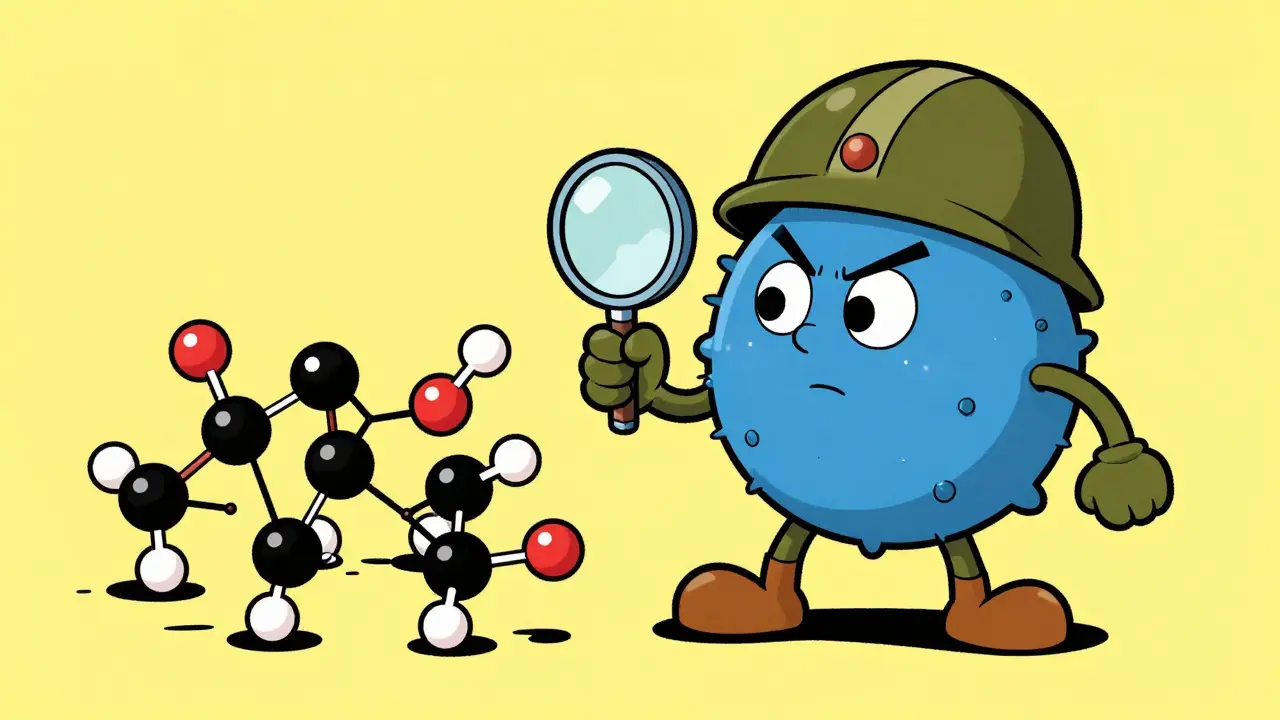
Certain classes of drugs are far more likely to cause these lagging responses. Beta-lactam antibiotics (like penicillin) often trigger reactions within the first two weeks. However, anticonvulsants-such as carbamazepine and phenytoin-are notorious for much longer delays, often taking more than 14 days to manifest. Genetic makeup plays a huge role here. For example, people with a specific genetic marker called HLA-B*15:02 (common in Southeast Asian populations) have a massive risk of developing SJS when taking carbamazepine. Similarly, the HLA-B*58:01 allele is strongly linked to allopurinol-induced DRESS. This is why some doctors now recommend genetic screening before prescribing these specific medications to high-risk groups.How to spot the warning signs
Because these reactions happen so long after the first dose, the biggest challenge is the "diagnostic gap." You might be on your third different medication for a condition, but it's the one you started three weeks ago that's causing the problem. Watch for this specific sequence: a mild rash that starts and then is followed by a "systemic crash." This crash usually includes a fever over 101.3°F (38.5°C) and swollen lymph nodes. If you notice your skin feeling tender or seeing small blisters, this is a red flag for SJS/TEN and requires an immediate ER visit. One tricky part is that DRESS syndrome often follows a biphasic course. You might stop the drug, start feeling better for a week, and then suddenly relapse in week four. This "yo-yo" effect often leads patients to think they've recovered, only to be blindsided by a second wave of symptoms.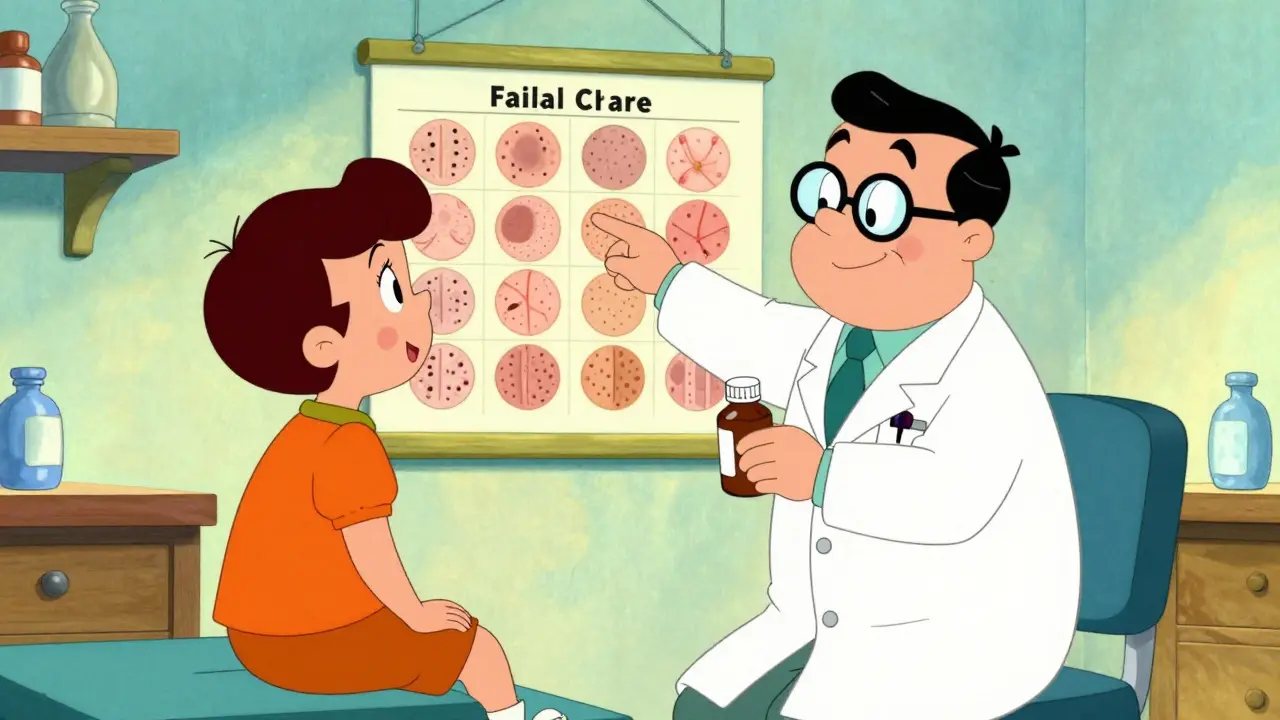
The road to recovery and management
The absolute first priority is stopping the culprit drug. Doing this within 48 hours of the first symptom can significantly lower the risk of death in severe cases. But stopping the drug isn't always a "magic switch" that makes the symptoms vanish instantly. For mild rashes, the skin may take a few weeks to clear. For more severe reactions like DRESS or SJS, doctors typically use systemic corticosteroids (like prednisone) to dampen the immune response. In some cases where the kidneys are involved, medications like cyclosporine are used to speed up recovery. Recovery can be a long haul. For those who survive TEN, there can be chronic eye issues or scarring that requires specialist care for years. The psychological toll is also real; many people develop severe anxiety about taking any new medication, fearing a repeat of the experience.Why did my reaction happen weeks after I started the drug?
Delayed reactions are T-cell mediated. Unlike an immediate allergy, which uses antibodies to trigger a fast response, delayed reactions require the immune system to "learn" to recognize the drug and then build a population of T-cells to attack. This biological process takes time, typically ranging from a few days to several weeks.
Can I ever take this medication again?
Generally, no. If you have had a severe delayed reaction (like SJS or DRESS), the risk of a recurrence is too high. Re-exposure can cause a much faster and more aggressive reaction. Always list these reactions on your medical history and wear a medical alert bracelet if the reaction was life-threatening.
How do doctors prove which drug caused the reaction?
Doctors use a combination of temporal association (the timing of the drug vs. the symptoms), clinical phenotype (matching the rash and fever patterns), and specialized tests. While drug rechallenge is the "gold standard," it is far too dangerous for severe reactions. Instead, they may use Lymphocyte Transformation Tests (LTT) to see how your T-cells react to the drug in a lab setting.
What are the most dangerous signs to look for?
The most critical warnings are mucosal involvement (sores in the mouth, eyes, or genital area), skin peeling or blistering, and a very high fever. These can indicate the transition from a simple rash to a life-threatening condition like SJS/TEN.
Is genetic testing available to prevent this?
Yes, for certain drugs. Testing for HLA-B*15:02 before using carbamazepine or HLA-B*58:01 before using allopurinol can identify people at a very high risk. However, these tests don't cover every possible drug or every person's unique genetic makeup, so they aren't a 100% guarantee.