Medication Itch Symptom Checker
Symptom Assessment
Please fill out the assessment and click "Analyze Symptoms" to see results.
Imagine starting a new medication to fix a health problem, only to find yourself scrubbing your skin raw because of an unbearable itch. It's a frustrating paradox: the very thing meant to make you feel better is making your life miserable. This isn't just "dry skin" or a minor annoyance. In the medical world, this is called Pruritus is the clinical term for severe itching of the skin . When it's triggered by a drug, it's known as drug-induced pruritus.
The reality is that medication-induced itching can range from a slight nuisance to something truly debilitating. Some people experience it as a mild tickle, while others face symptoms so severe they lead to hospitalization or intense mental distress. Whether you're dealing with a sudden reaction to an antibiotic or a slow-burn itch from a long-term blood pressure pill, understanding why this happens is the first step toward getting your skin-and your sanity-back.
What Exactly Causes Medication-Induced Itching?
Not all itches are created equal. Your body can react to a drug in several different ways, and the "why" determines how you treat it. Generally, these reactions fall into two big buckets: immunological and pharmacological.
Immunological reactions happen when your immune system identifies a medication as a foreign invader. This can be an immediate hypersensitivity (like an allergic reaction that happens minutes after taking a pill) or a delayed reaction that takes days or weeks to appear. These often involve the release of histamine, which binds to H1 receptors in your skin and sends a "danger" signal to your brain that feels like an itch.
Pharmacological reactions are a bit different. These aren't necessarily "allergies" but rather indirect effects of the drug. For example, some medications cause your skin to become excessively dry, while others interfere with how your liver processes bile, leading to a buildup of bile salts in the skin (cholestasis), which triggers an intense itch. Some drugs can even trigger the direct release of histamine without a full-blown allergic response.
Common Medication Culprits
Many different types of drugs can cause drug-induced pruritus, but some are more notorious than others. You might be surprised to find that common, everyday medications are often the cause.
- Antibiotics: Certain Tetracyclines and beta-lactams are known triggers.
- Heart and Blood Pressure Meds: ACE inhibitors, sartans, and beta-blockers can all cause skin reactions.
- Pain Relief: Morphine and other opioid derivatives are famous for this. In fact, 60-90% of people who receive spinal opioids like fentanyl or morphine experience itching, often starting 6 to 12 hours after the dose.
- Cholesterol Meds: Both statins and fibrates have been linked to pruritus.
- Mental Health Meds: Tricyclic antidepressants and certain anti-epileptics like carbamazepine can trigger reactions.
Interestingly, data from Johns Hopkins showed that specific drugs like heparin, trimethoprim-sulfamethoxazole, and calcium channel blockers have higher recorded rates of inducing itch compared to other agents in their classes. This suggests that if you're prone to skin reactions, your doctor might want to avoid these specific options.
| Medication Class | Likely Mechanism | Typical Onset / Duration |
|---|---|---|
| Opioids (Morphine, Fentanyl) | Non-histaminergic / Central | 6-12 hours post-administration |
| Antimalarials (Chloroquine) | Immunological / Demographic-linked | 1-3 days during therapy |
| Antihistamines (Cetirizine) | Withdrawal/Rebound effect | 1-5 days after stopping |
| Hydroxyethyl Starch | Pharmacological | ~3 weeks after infusion; can last 15 months |
The Strange Case of Antihistamine Withdrawal
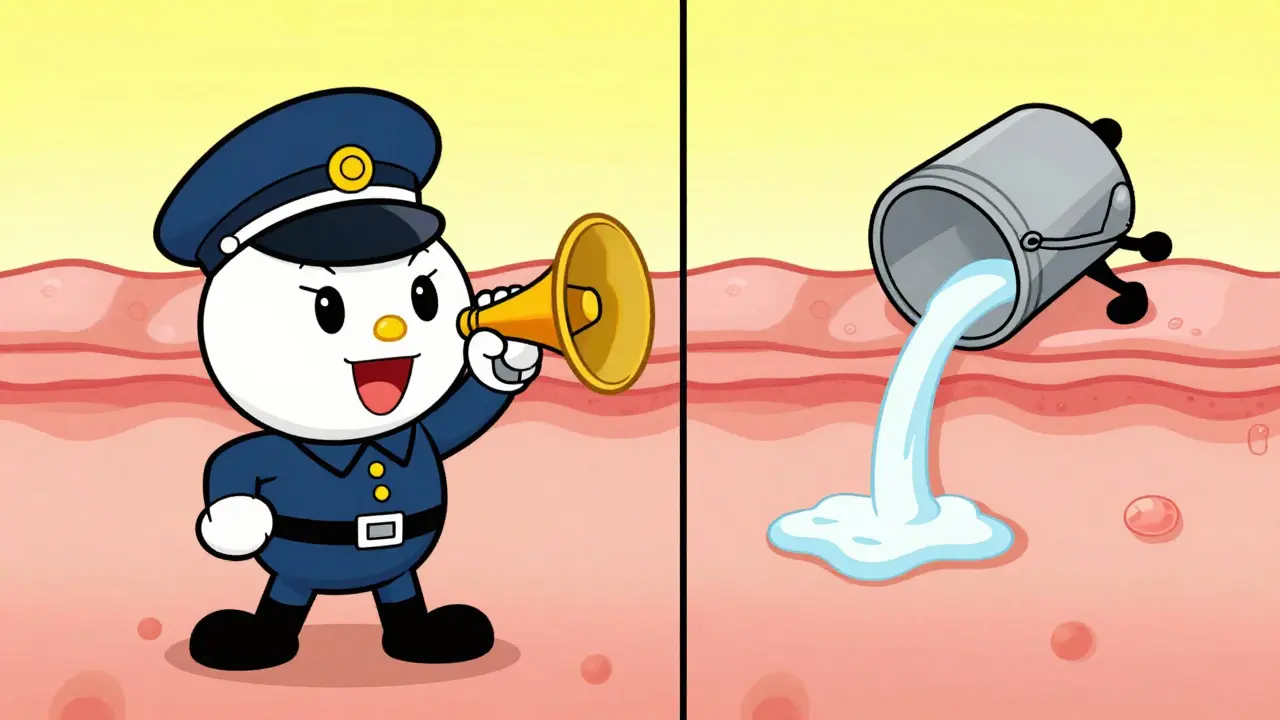
It sounds like a contradiction: how can a medicine designed to stop itching actually cause it? The FDA has issued specific warnings about this regarding Cetirizine and Levocetirizine. When someone takes these long-term-sometimes for years-and then stops abruptly, they can experience a severe rebound effect.
In a study of 209 cases, the median time to onset was just 2 days after stopping the drug. For some, this wasn't just a minor itch; it led to disability and, in very rare cases, thoughts of self-harm due to the intensity of the sensation. The most effective way these patients found relief was by restarting the medication, which resolved the itch for about 90% of them. This highlights why you should never stop a long-term medication without a tapering plan from your doctor.
How to Tell if Your Meds are the Cause
Diagnosing drug-induced itching can be tricky because it looks a lot like a standard skin allergy or eczema. However, there are a few clues to look for:
- Timing: Did the itch start shortly after you began a new drug? Or did it start shortly after you stopped one?
- Duration: Acute cases usually last less than six weeks and often clear up once the drug is out of your system. Chronic cases last longer and may require more complex treatment.
- Distribution: Is the itch generalized across your whole body, or is it only where a cream was applied? General itching is more typical of systemic drug reactions.
- Demographics: While anyone can react, some data suggests certain groups are more susceptible. For instance, research has shown higher rates of drug-induced pruritus in women and Black patients.
The gold standard for diagnosis is often the "challenge-dechallenge-rechallenge" method. This means stopping the drug (dechallenge), seeing if the itch goes away, and then potentially restarting it under medical supervision (rechallenge) to see if the itch returns. Obviously, this is only done if the medication isn't life-critical.
Treatment and Relief Options
If you've confirmed your medication is the culprit, you have several paths to relief depending on the severity.
Immediate Skin Relief
For mild to moderate itching, focus on the skin barrier. Use fragrance-free moisturizers daily to combat dryness. Cooling gels, lotions containing calamine, or lukewarm baths can soothe the nerves in the skin. If there's a visible rash or dermatitis, your doctor might suggest a topical steroid to bring down the inflammation.
Systemic Medications
When topical creams aren't enough, you may need something that works from the inside out:
- Antihistamines: These work great if the itch is histamine-driven (like hives), but they often fail if the drug is triggering a different pathway (like opioids).
- Antidepressants: Some medications used for depression can actually help by relaxing the receptors in the body that signal itchiness.
- Neuropathic agents: For severe, intractable itching, doctors may use medications that calm the nerves.
The Long-Term Strategy
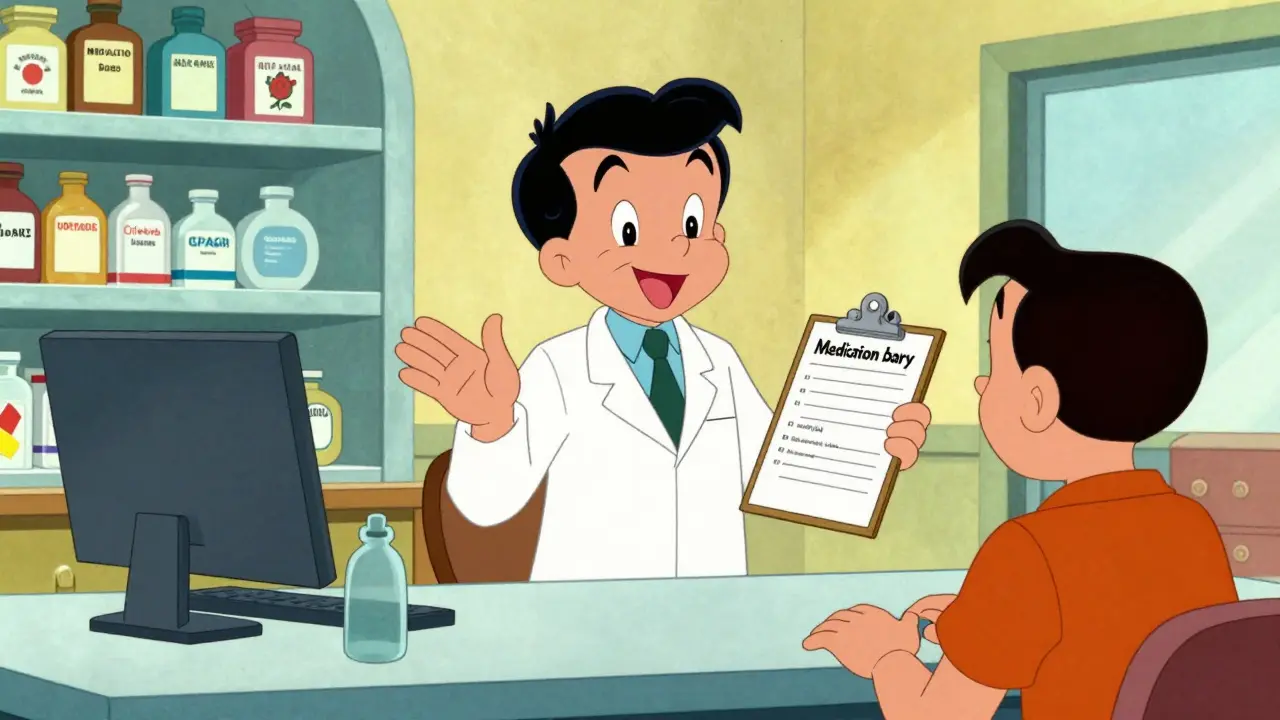
The only permanent cure is removing the trigger. Talk to your pharmacist-they are often the best people to help identify which of your active medications is the likely cause. They can suggest alternatives in the same class that are less likely to cause skin reactions, helping you maintain your treatment without the misery of constant itching.
Can I just stop taking my medication if it makes me itch?
No, you should never stop a prescription medication abruptly without consulting your doctor. Some drugs, like antidepressants or blood pressure meds, can cause dangerous withdrawal symptoms. Additionally, as seen with certain antihistamines, stopping abruptly can actually make the itching worse. Always ask your doctor for a tapering schedule or a substitute medication.
How do I know if my itch is a drug allergy or just dry skin?
Dry skin (xerosis) usually looks flaky and is worse in winter or low-humidity environments. Drug-induced pruritus often appears as a generalized sensation and is more closely tied to the timing of your medication doses. If the itching started within a few weeks of a new prescription and isn't improved by heavy moisturizing, it's more likely to be medication-related.
Are there certain people more likely to get itchy from meds?
Yes, demographic data indicates some variations. For example, some studies have found that females and Black patients have a higher prevalence of drug-induced pruritus. Genetic factors can influence how your body metabolizes drugs and how your immune system reacts to them.
Why don't antihistamines work for all medication itches?
Antihistamines only block H1 histamine receptors. Many drugs trigger itching through non-histaminergic pathways-meaning they use different chemical messengers in the brain and skin. This is common with opioid-induced itching, which is why standard allergy meds often do nothing to stop it.
What is the "rebound effect" mentioned with Cetirizine?
A rebound effect occurs when the body becomes accustomed to a drug that suppresses a certain process. When the drug is removed, that process returns with an overcompensated intensity. In the case of certain antihistamines, the body's histamine response may become hypersensitive, leading to severe itching shortly after the medication is stopped.
Next Steps and Troubleshooting
If you suspect your medication is causing your skin to itch, don't just suffer through it. Start by keeping a medication diary. Note the exact time you take your pills and the exact time the itching peaks. This data is gold for your doctor.
For those on long-term therapy, be particularly vigilant about the duration of your use. Some reactions don't happen on day one but develop after months or years of use. If you're planning to stop a medication, ask your provider: "Could this cause a rebound effect?" and "What is the safest way to taper off?"
If you experience swelling of the lips, tongue, or difficulty breathing along with the itch, this is not simple pruritus-it is a medical emergency called anaphylaxis. Seek immediate emergency care if these symptoms appear.