
Clinical Trial vs Real-World Outcomes Calculator
How This Works
This calculator compares clinical trial results with real-world outcomes for medical treatments. Enter values from clinical trial reports to see how real-world evidence might differ.
Clinical Trial Data
Real-World Evidence
Results
Why this matters:
Clinical trials often exclude patients with comorbidities, older adults, and diverse populations. Real-world data shows treatment effectiveness in actual practice where patients may have multiple conditions, face adherence challenges, and have varying access to care.
When a new drug gets approved, it’s based on data from clinical trials. But what happens when that same drug is used by millions of real patients - not the carefully selected ones in a study? That’s where things get complicated. Clinical trial data and real-world outcomes don’t always tell the same story. And understanding the difference isn’t just academic - it affects who gets treated, how well they respond, and whether their care is covered by insurance.
Why Clinical Trials Don’t Reflect Real Life
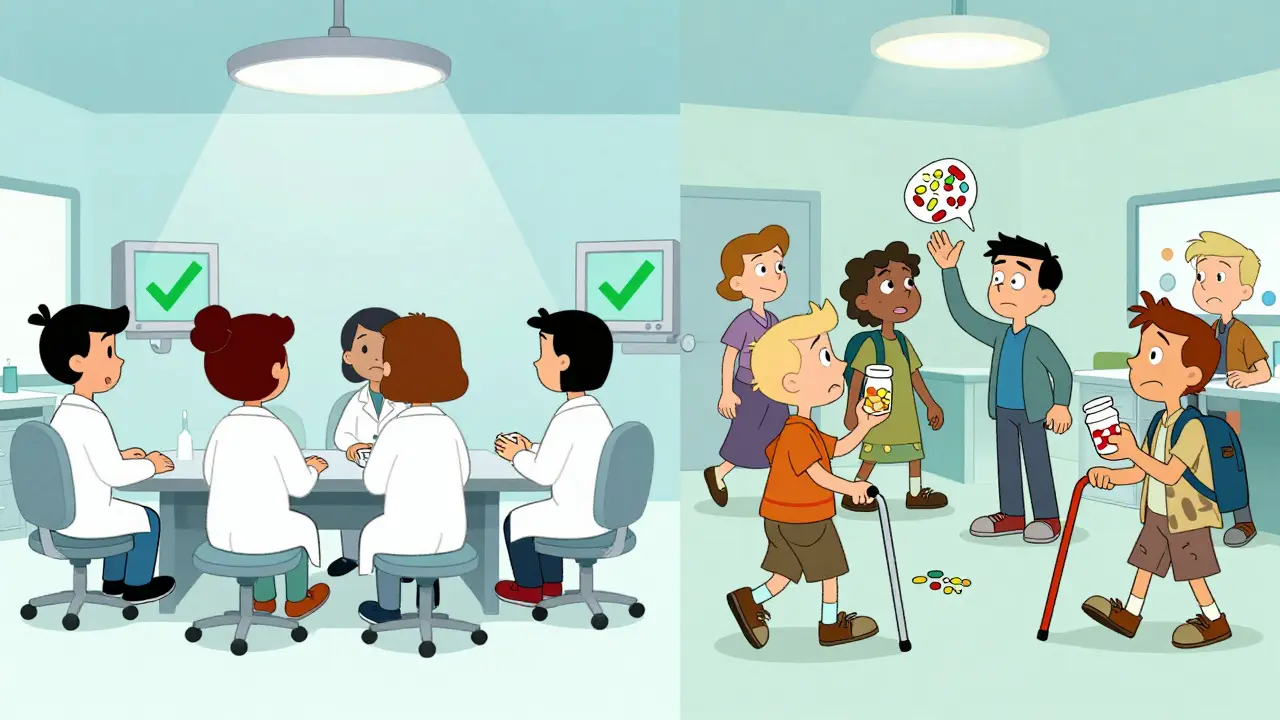
Clinical trials are designed to answer one clear question: Does this treatment work under ideal conditions? To do that, researchers control everything - who gets in, what else they’re taking, how often they’re checked, even how they report side effects. But this level of control comes at a cost: most people don’t look like the trial participants. Take diabetes, for example. A 2024 study compared 5,734 patients in clinical trials with over 23,000 patients tracked through electronic health records. The trial group was younger, healthier, and had fewer other health problems. In real life, most people with diabetes also have high blood pressure, heart disease, or kidney issues. But those patients were often excluded from trials because they were "too complex." That means the data showing a drug works beautifully? It might not apply to half the people who actually need it. And it’s worse than that. A 2023 study in the New England Journal of Medicine found only 20% of cancer patients in U.S. clinics would qualify for a typical clinical trial. Black patients were 30% more likely to be excluded - not because their cancer was worse, but because they were less likely to have stable transportation, flexible work hours, or access to specialized centers. Clinical trials were built for a narrow slice of the population. Real life? It’s messy, diverse, and full of trade-offs.What Real-World Data Actually Shows
Real-world outcomes come from everywhere: electronic medical records, insurance claims, wearable devices, even patient apps. They capture what happens when someone takes a drug while juggling three other medications, skipping doses because of cost, or living far from a clinic. This data doesn’t come with the same controls - but it reflects reality. For example, a drug might show a 40% reduction in tumor size in a trial. In real-world data? That same drug only worked for 22% of patients. Why? Because in trials, patients get daily support, reminders, and monitoring. In real life, they forget pills, can’t afford refills, or stop treatment after a bad side effect. Real-world data doesn’t sugarcoat anything. It also reveals hidden patterns. One study found that patients over 75 taking a new blood thinner had twice the risk of internal bleeding compared to trial results - simply because older adults were underrepresented in the original studies. Another looked at asthma inhalers and found patients using generic versions had just as good outcomes as those on brand-name drugs - something trials never tested because they focused on single-drug efficacy, not cost-comparisons.The Data Gap: Quality, Completeness, and Bias
Real-world data isn’t perfect. It’s messy. A study found that while clinical trials recorded primary outcomes with 92% accuracy, real-world records only hit 68%. Why? Because doctors don’t always document every symptom, lab result, or hospital visit. Insurance claims don’t capture how someone felt on a given day. Wearables track heart rate but not nausea. And then there’s bias. If a drug is only prescribed to wealthier patients because it’s expensive, the real-world data will show better outcomes - not because the drug works better, but because those patients have better access to nutrition, follow-up care, and fewer stressors. That’s not the drug’s fault - it’s the system’s. To fix this, researchers use tools like propensity score matching - a statistical trick that tries to balance out differences between groups. But even that can’t account for everything. A 2021 JAMA paper showed that 17% of real-world studies reached conclusions opposite to those from clinical trials - all because of unmeasured factors like smoking habits, mental health, or social support.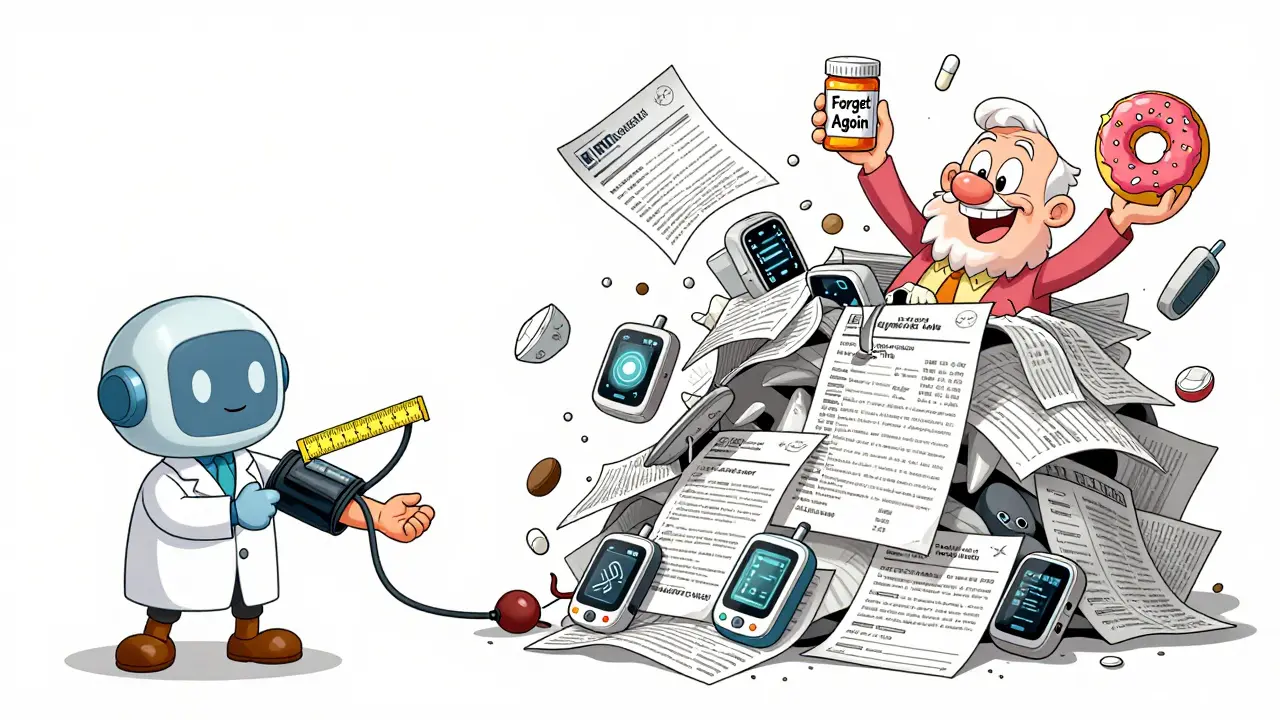
When Real-World Evidence Makes a Difference
Despite the gaps, real-world evidence is changing how drugs are used - and who gets them. The FDA approved 17 drugs between 2019 and 2022 partly based on real-world data - up from just one in 2015. In oncology, where trials are expensive and slow, real-world data helped identify which patients responded best to immunotherapy. Flatiron Health’s database, built from 2.5 million cancer patients, helped drugmakers design smarter trials by predicting who would stick with treatment. That cut trial sizes by 20% and sped up approvals. Payers are using it too. UnitedHealthcare and Cigna now require real-world data to prove a drug is worth the cost before adding it to their formularies. In rare diseases - where clinical trials might include only 50 people - real-world data from registries is often the only way to understand long-term outcomes. And it’s not just drugs. Real-world data helped reshape pain management after the opioid crisis. The NIH’s HEAL Initiative used data from 300,000 patients to show which non-opioid treatments actually worked in daily life - not just in controlled settings.The Future: Not Either/Or - But Both/And
The old idea - that clinical trials are "right" and real-world data is "flawed" - is fading. Experts now agree: the future isn’t RCTs versus RWE. It’s RCTs and RWE working together. The FDA’s 2024 draft guidance encourages hybrid trials - where a small, controlled trial confirms safety, then real-world data tracks how it performs across diverse populations. Pfizer and Pfizer’s Health Economics team now design trials with real-world data in mind from day one. They use EHRs to find patients who are more likely to stick with treatment, making trials faster and more relevant. AI is helping too. Google Health’s 2023 study showed algorithms could predict treatment outcomes from EHRs with 82% accuracy - better than traditional trial analysis. That doesn’t mean trials are obsolete. It means we’re learning how to use both.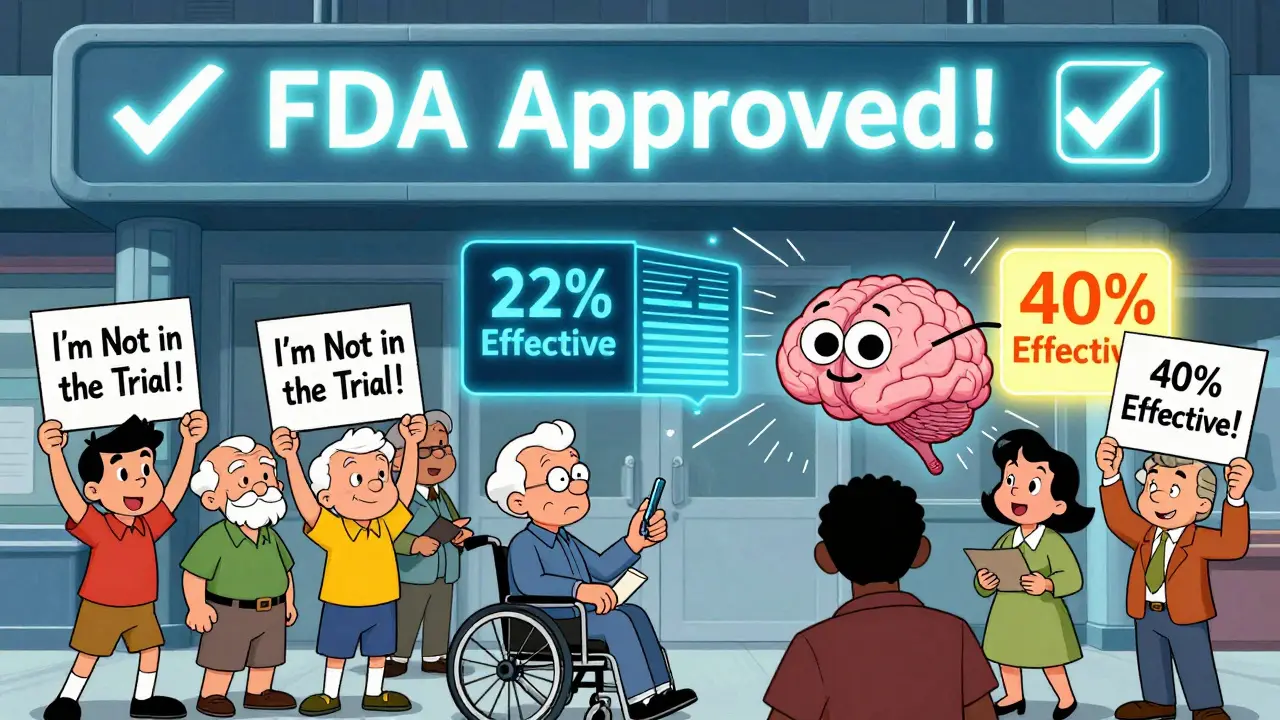
What This Means for Patients
If you’re a patient, this shift matters. A drug approved based on a trial might not work for you - not because you’re broken, but because the trial didn’t include people like you. Ask your doctor: "Was this tested on people with my conditions?" or "Do we have data on how it works in real life?" If you’re a caregiver or advocate, push for transparency. Demand that drugmakers share real-world outcomes alongside trial results. The data is out there - it just needs to be accessible.Why This Matters Now
The global real-world evidence market is growing at 21.5% a year - five times faster than clinical trials. Why? Because healthcare systems can’t afford to keep approving treatments that don’t work outside the lab. The cost of a Phase III trial? $19 million. The cost of a real-world study? A fraction of that. And it’s faster. But it’s not about saving money. It’s about getting the right treatment to the right person. Clinical trials tell us what a drug can do. Real-world outcomes tell us what it actually does - for real people, in real life. The gap between the two isn’t a flaw. It’s a signal. And listening to both - not just one - is how we make medicine better for everyone.Can real-world data replace clinical trials?
No. Clinical trials are still the gold standard for proving a drug works under controlled conditions. Real-world data can’t replace that rigor. But it can show whether the drug works in everyday life - something trials were never designed to answer. Think of them as two sides of the same coin.
Why are clinical trial participants so different from real patients?
Clinical trials exclude people with other health conditions, older adults, pregnant women, and those with unstable living situations - even if those factors are common in real life. This is done to reduce "noise" in the data. But it also means the results don’t reflect the people who will actually use the drug. Over 80% of potential patients are screened out.
Is real-world data less reliable than clinical trial data?
It’s not less reliable - it’s different. Clinical trials have high internal validity (they control variables well). Real-world data has high external validity (it reflects real populations). The challenge is that real-world data is noisier, with missing records and uncontrolled factors. But with good methods like propensity scoring and AI, we can make it trustworthy - not perfect, but useful.
Do insurance companies use real-world data?
Yes. Over 78% of U.S. payers now use real-world evidence to decide whether to cover a drug. They want proof it works in everyday practice - not just in a trial. If a drug looks great on paper but leads to more hospital visits in real life, insurers won’t pay for it.
What’s the biggest challenge with real-world data?
Data fragmentation. In the U.S., there are over 900 different health systems, each using different electronic records. Linking them is hard. Plus, privacy laws like HIPAA limit sharing. Without standardized formats and better access, real-world data will stay patchy - even if the insights are valuable.
Korn Deno
March 24, 2026 AT 05:40We're not just talking about data gaps here. We're talking about who gets left out. The system was built for efficiency, not equity. And now we're paying for it in lives.
Real-world data doesn't fix the trial design flaw. It just screams it louder.
Aaron Sims
March 25, 2026 AT 03:55Stephen Alabi
March 25, 2026 AT 16:48Agbogla Bischof
March 26, 2026 AT 03:30The real gap isn’t in the data-it’s in the access. If your drug only works for people who can afford to take it, then you haven’t cured disease. You’ve created a luxury.
Anil Arekar
March 27, 2026 AT 02:01Let us not pit one against the other. Let us build bridges between laboratories and living rooms, between statisticians and patients, between policy and practice. Medicine must serve all, not just the statistically convenient.
Elaine Parra
March 27, 2026 AT 17:17Kevin Siewe
March 27, 2026 AT 18:41Real-world evidence isn’t about replacing trials. It’s about listening when the numbers stop telling the whole story.
James Moreau
March 28, 2026 AT 16:56J. Murphy
March 30, 2026 AT 14:59