
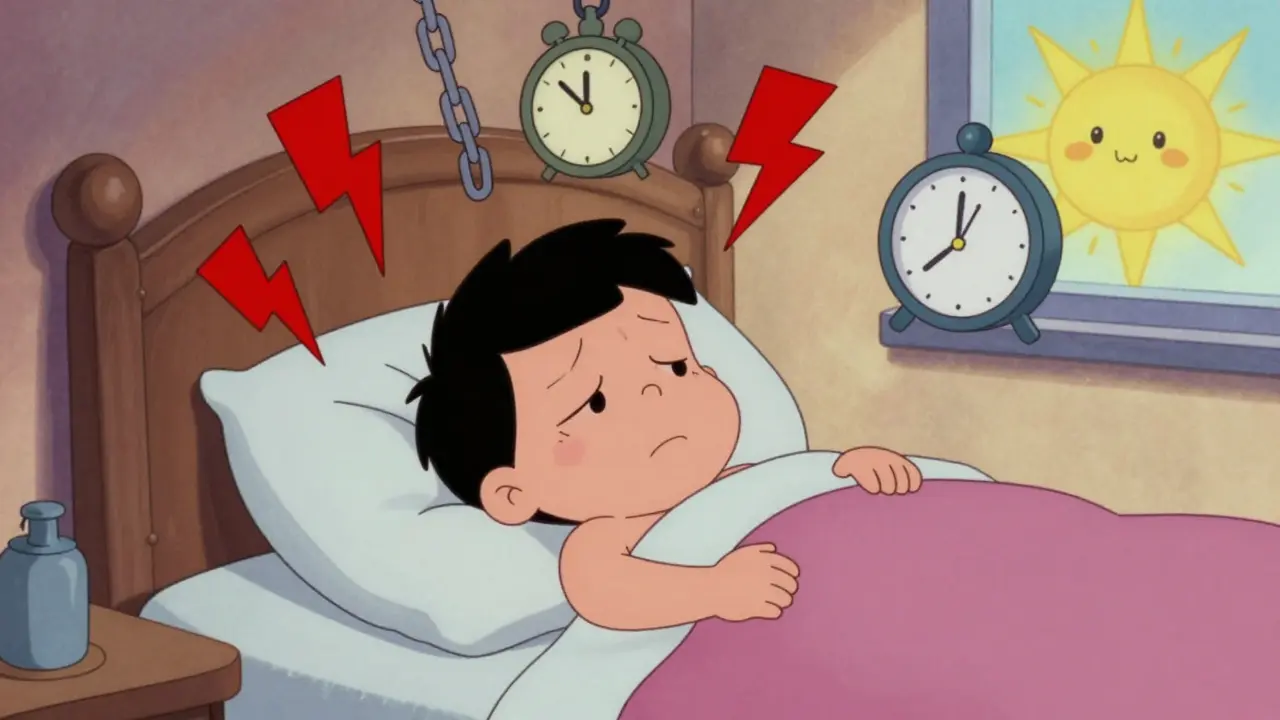
Living with chronic pain isn’t just about feeling hurt-it’s about losing control over your life. You wake up tired, move slowly, cancel plans, and watch time slip away while your body feels like it’s working against you. For 50 million Americans, this isn’t temporary. It’s daily. And if you’ve been told to just "take more pills" or "push through," you know that’s not enough. The truth is, chronic pain doesn’t respond to quick fixes. It demands a new way of thinking, one that puts function back in your hands-not just pain scores on a chart.
What Chronic Pain Really Means
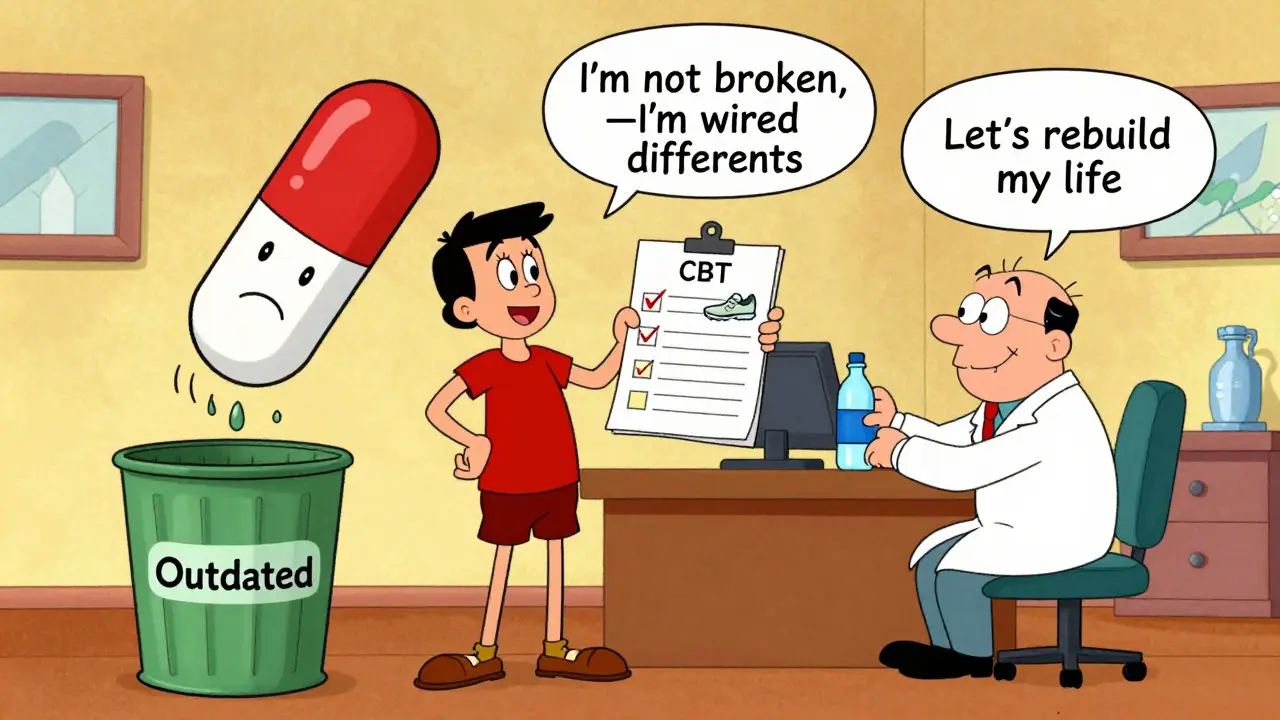
Chronic pain isn’t just pain that lasts a long time. It’s pain that changes how your nervous system works. After three months, your body stops using pain as a warning signal and starts treating it as a constant state. That’s why you can have severe pain without visible damage, or mild damage with unbearable pain. It’s not "all in your head." It’s your brain and nerves stuck in overdrive. This is why treating it like an injury that needs healing won’t work. You’re not broken-you’re wired differently now.
Conditions like osteoarthritis, fibromyalgia, neuropathy, and chronic low back pain are common, but they’re not the same. One person’s pain comes from joint wear, another’s from nerve damage, and another’s from the brain misreading signals. That’s why one-size-fits-all treatments fail. The goal isn’t to erase pain completely-it’s to make it manageable so you can live again.
Why Opioids Aren’t the Answer
Doctors used to hand out opioids like candy for chronic pain. In 2010, prescriptions peaked at over 255 million in the U.S. Today, that number is down 30%, and for good reason. The CDC’s 2022 guidelines made it clear: opioids offer short-term relief, but after three to six months, their benefits drop off sharply. Studies show people on high doses (over 50 morphine milligram equivalents per day) have a 40% higher risk of overdose-not from misuse, but from the body’s own response to long-term use.
And the side effects? Constipation, drowsiness, mood swings, and dependency. Many patients end up taking higher doses just to feel normal, not to feel less pain. One veteran shared in a VA survey: "I went from 120 MME/day to 30 MME/day after CBT-and I could actually play with my kids again." That’s the difference between masking pain and reclaiming life.
The Real Game-Changers: Non-Drug Approaches
The most effective tools for chronic pain don’t come in a pill bottle. They’re built into daily habits. And they work better than drugs-long-term.
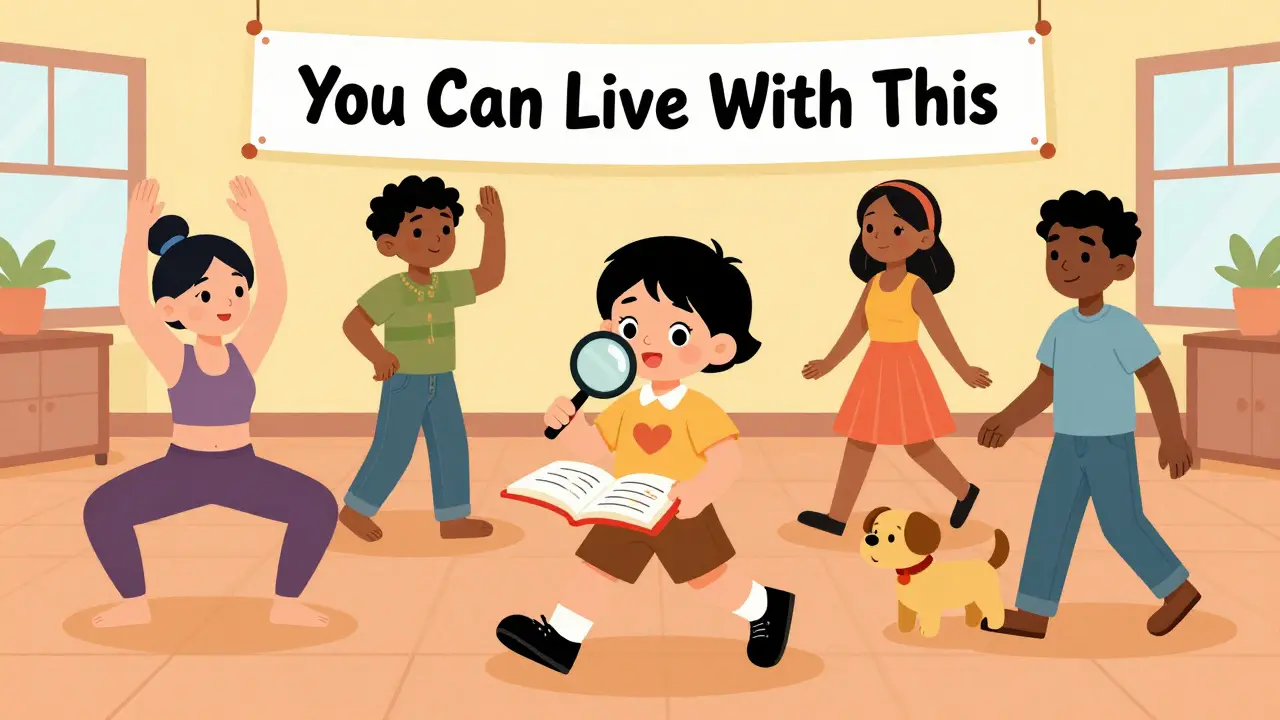
Structured Exercise isn’t about running marathons. It’s about moving consistently. A 12-week program of walking, water aerobics, or strength training three times a week can reduce pain by 15-30% and improve function by 20-40%. You don’t need to be fit to start. You just need to start. Even 10 minutes a day builds momentum.
Cognitive Behavioral Therapy (CBT) teaches you how your thoughts shape your pain experience. In 8-12 weekly sessions, you learn to spot catastrophizing thoughts like "I’ll never get better" and replace them with "I can handle this moment." Studies show CBT cuts pain intensity by 25-40%, reduces disability by 30%, and cuts pain-related anxiety by nearly half. It’s not therapy for depression-it’s therapy for rewiring your brain’s pain response.
Multidisciplinary Pain Programs are the gold standard. Think of them as a full team: physical therapists, psychologists, occupational therapists, and pharmacists working together. The Mayo Clinic’s three-week intensive program helps 65-75% of patients return to work or daily activities. They don’t just treat pain-they teach you how to live with it. The catch? Only 15-20% of people can access them. They’re expensive, hard to find, and often not covered by insurance.
What Actually Works (And What Doesn’t)
Not all alternative treatments are equal. Here’s what the evidence says:
- Acupuncture: Helps with osteoarthritis and tension headaches. No real benefit for nerve pain.
- Tai Chi and Yoga: Proven to reduce pain and improve balance. Great for older adults or those with joint issues.
- Meditation and Mindfulness: Lowers stress, which lowers pain sensitivity. Even 10 minutes a day helps.
- Massage and Chiropractic Care: Good for short-term relief, but no lasting change unless paired with movement or therapy.
- Supplements (turmeric, CBD): Some promise, but evidence is weak. Don’t expect miracles.
What doesn’t work? Long-term opioids, bed rest, and hoping it goes away on its own. Pain doesn’t heal with silence. It heals with action.
How to Start-Even If You’re Overwhelmed
You don’t need a perfect plan. You just need a first step.
- Track your pain. Use a simple journal: rate pain 1-10, note what you did that day, and how you felt emotionally. Patterns emerge over weeks.
- Move a little more. Walk around the block. Do three squats while brushing your teeth. Stand up every hour. Movement resets your nervous system.
- Find a CBT program. Ask your doctor for a referral. Look for programs through hospitals, VA centers, or online platforms like PainCourse (free for Australians).
- Ask about non-opioid meds. Duloxetine and pregabalin aren’t painkillers-they’re nerve calmer. They take weeks to work, but they’re safer long-term than opioids.
- Connect with others. Reddit’s r/ChronicPain has over 1 million members. You’re not alone. And hearing someone say "I’ve been there" is powerful.
The Hidden Barriers
Even when you know what to do, getting there is hard. Insurance often denies CBT, physical therapy, or group programs. Many doctors still don’t know the latest guidelines. A 2022 study found only 35% of primary care providers had training in non-opioid pain management. And if you’re Black, Indigenous, or low-income, you’re 40% less likely to get recommended for these treatments-even when your pain is just as bad.
Medicare started covering more non-drug options in 2023, but private insurers lag behind. Some patients pay out of pocket for CBT sessions at $100-$150 each. It’s unfair. But it’s real.
Don’t wait for the system to catch up. Be your own advocate. Bring printouts of the CDC or WHO guidelines to your next appointment. Say: "I want to try non-opioid options first. Can you help me find a CBT therapist or a physical therapist who specializes in chronic pain?"
Hope Isn’t a Miracle. It’s a Practice.
People who manage chronic pain well don’t have magic bodies. They have routines. They’ve learned to separate pain from suffering. They don’t try to eliminate pain-they build a life around it.
One woman in Canberra, after years of failed treatments, started a daily 15-minute walk with her dog. She added a 10-minute mindfulness app before bed. She joined a local pain support group. Within six months, she went from being housebound to gardening again. She still has pain. But now, it doesn’t run her life.
Chronic pain isn’t a life sentence. It’s a challenge to be managed, not cured. And the tools to do it? They’re already here. You just need to start using them-one small step at a time.
Lindsey Wellmann
January 10, 2026 AT 03:43Okay but like… I just cried reading this. 🥲 I’ve been on 120 MME for 7 years and last month I switched to CBT + walking my dog 10 mins a day. I haven’t felt this… alive? since before my surgery. I still hurt. But now I can hug my niece without wanting to scream. Thank you for writing this. 💕
Ian Long
January 10, 2026 AT 10:08This is the most balanced take I’ve seen on chronic pain in years. People act like it’s either ‘just push through’ or ‘take opioids forever.’ The truth? It’s a damn marathon with no finish line. But you can still run it. And yes, CBT isn’t ‘therapy for depression’-it’s neuroplasticity hacking. Finally, someone gets it.
Pooja Kumari
January 10, 2026 AT 22:52Oh my god I’ve been waiting for someone to say this out loud. I’m from India and here, chronic pain is either dismissed as ‘stress’ or you’re handed a bottle of pills and told to ‘pray harder.’ I tried acupuncture, yoga, turmeric lattes, even a ‘pain energy healer’ who charged me 20,000 rupees. None of it worked until I found a physical therapist who actually listened. Now I do 15 minutes of water aerobics every morning. My knees still crack, but I can carry groceries again. And you know what? That’s victory. Pain doesn’t vanish. But your life? It can still bloom. 🌸
Jacob Paterson
January 12, 2026 AT 21:11Wow. Another ‘lifestyle hack’ article pretending opioids are the devil. Let me guess-you’ve never had a 10/10 pain flare that lasted 72 hours? I’ve been on 80 MME for 12 years. I’m not ‘addicted.’ I’m surviving. Your ‘10-minute walks’ won’t stop nerve pain that feels like glass in my spine. This isn’t motivation porn. It’s medical neglect dressed as empowerment.
Angela Stanton
January 14, 2026 AT 06:02Let’s analyze the effect sizes: CBT shows d=0.58 for pain reduction (95% CI: 0.42–0.74), per the Cochrane 2021 meta-analysis. But attrition rates exceed 30% due to cognitive load in chronic fatigue populations. Meanwhile, opioid tapering success correlates strongly with baseline depression scores (r=0.67). The real barrier isn’t access-it’s neurocognitive resilience. Also, CBD’s bioavailability is <10% orally. So no, your gummies aren’t doing squat. Just saying.
Jerian Lewis
January 14, 2026 AT 18:43I don’t need a list. I just need someone to believe me when I say it hurts. All the ‘steps’ in the world won’t fix the fact that my insurance won’t cover one CBT session. I’m tired of being told what to do when no one’s helping me do it.
Kiruthiga Udayakumar
January 15, 2026 AT 18:38My sister in Delhi has fibromyalgia and the doctors here laugh at her. They say, ‘You’re too young to be in pain.’ But she does yoga every morning and writes in her journal. She says, ‘Pain is my guest, not my master.’ I cried reading this. Thank you for giving voice to what we feel but can’t say.
Patty Walters
January 17, 2026 AT 07:26just wanted to say-i started doing the 10-min walk thing too. i thought it was dumb. now i do it with my cat on my lap. she purrs. i cry a little. it’s not magic. but it’s mine. thanks for this.
tali murah
January 18, 2026 AT 04:21How refreshing to see another sanctimonious ‘non-drug’ manifesto from someone who clearly has never experienced real, unrelenting, bone-deep pain. You romanticize walking and mindfulness like they’re cures. Meanwhile, people are dying from untreated pain because doctors are scared to prescribe. This isn’t empowerment-it’s elitist ignorance wrapped in a TED Talk.
Alicia Hasö
January 19, 2026 AT 15:01To anyone reading this and feeling overwhelmed: you don’t have to do it all. Just one thing. One tiny thing. Walk to the mailbox. Breathe for 60 seconds. Write one sentence in your journal. That’s enough. Progress isn’t linear. It’s messy. It’s two steps forward, one step back. But you’re still moving. And that’s courage. I believe in you. You’ve got this.
Ashley Kronenwetter
January 20, 2026 AT 10:29Thank you for citing the CDC guidelines and referencing the 2022 study on provider training gaps. This is precisely the kind of evidence-based, nuanced discussion chronic pain communities need. The emotional weight of this piece is not incidental-it’s necessary. I will be sharing this with my clinic’s patient education team.
Heather Wilson
January 21, 2026 AT 23:24So you’re saying the solution to chronic pain is… more work? More responsibility? More self-optimization? Meanwhile, the system is rigged against low-income people, people of color, and the elderly. You don’t get to tell someone who’s on food stamps and can’t afford a physical therapist to ‘just move a little.’ This isn’t advice. It’s victim-blaming with a smiley face.
Micheal Murdoch
January 23, 2026 AT 12:59Chronic pain is the silent war inside your own body. No medals. No parade. Just you, your thoughts, and the clock ticking. But here’s what I’ve learned: you don’t have to beat it. You just have to learn to live beside it. Like a storm that never leaves, but you learn to dance in the rain. Not because you want to. But because you have to. And that’s the quietest kind of strength.
RAJAT KD
January 24, 2026 AT 10:0315-minute walk + mindfulness = life-changing. Done. No fluff.
Matthew Maxwell
January 25, 2026 AT 07:58Let’s be honest: most of these ‘non-drug’ methods are for people who still have some functional capacity. What about those with severe spinal cord injuries or advanced neuropathy? You can’t meditate away a burning nerve. You can’t yoga your way out of a fractured spine. This article is dangerously naive. The opioid crisis didn’t happen because doctors were too generous-it happened because we had no other tools. Now we’re taking away the only thing that worked… and calling it progress.