
The Confusion Around Medication Savings
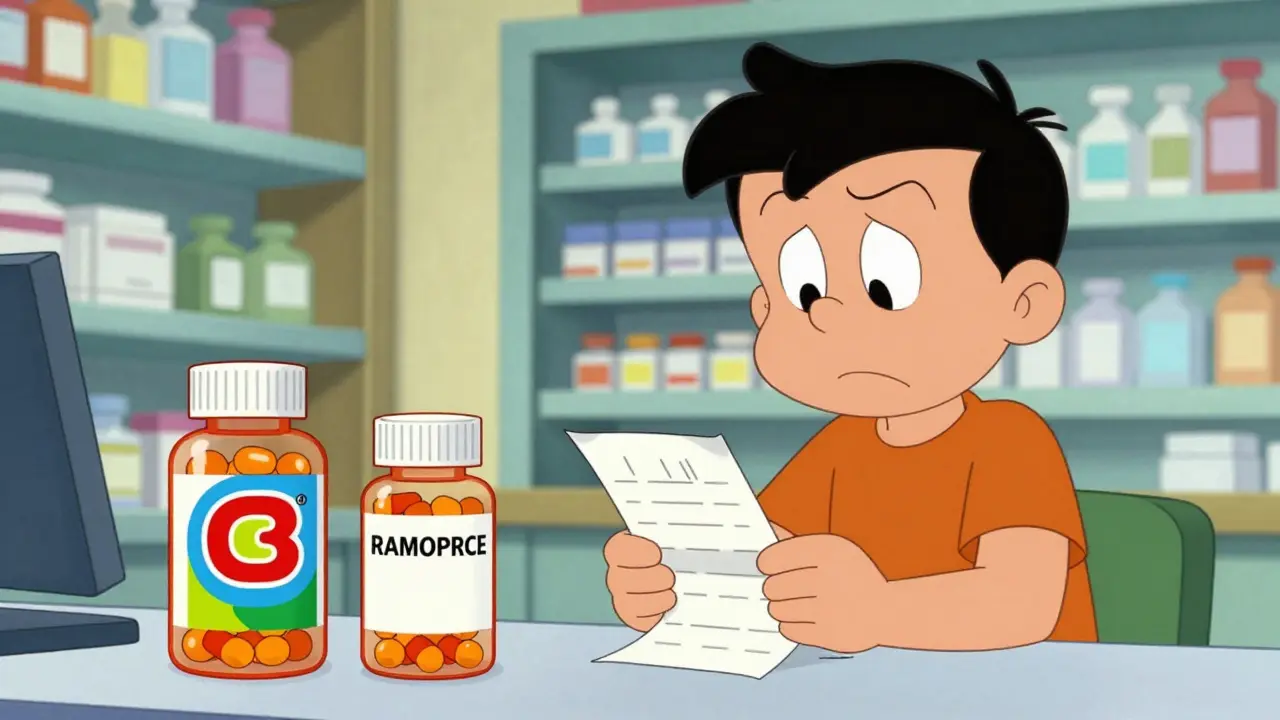
Many of us stand at the pharmacy counter, staring at the price tag, wondering why some versions of our medication cost a fraction of the original price. You see the brand name you trust, then you see a bottle labeled with the manufacturer's name but no brand logo. Is it safe? Is it the same thing? This specific type of product is called an authorized generica brand-name drug sold without its brand name on the label, manufactured by the original company. It sounds complicated, but the core truth is surprisingly simple: it is often the exact same pill sitting on the shelf.
We live in a time where health costs are high, yet we fear that cheaper options might mean lower quality. When you see a "traditional" generic, you know it contains the same active ingredients as the brand name, but it might be made by a different factory with slightly different fillers. An authorized generic removes that middleman entirely. It is the brand manufacturer saying, "We will sell you this bottle ourselves, minus the fancy marketing sticker."
What Exactly Is an Authorized Generic?
To understand why these pills are essentially the brand version, you have to look at the paperwork behind them. Every new medicine must go through a rigorous review process before it hits the market. This happens under a legal document known as a New Drug Applicationan application filed with the FDA to seek approval for a new brand-name drug. When a company invents a new drug, they secure protection for their formula for a set period. However, even while that protection lasts, they can choose to market the drug under its chemical name rather than the trade name.
This is the defining moment. An authorized generic is approved under the exact same application as the brand drug. There is no separate testing. There is no request for the regulator to verify the copy matches the original. It is the original. According to the U.S. Food and Drug Administrationthe federal agency responsible for protecting public health by ensuring safety of foods, medicines, and medical devices, this means the manufacturing standards, facilities, and controls are identical to the expensive version. The only thing that changes is the text on the label.
This creates a unique position in the pharmacy ecosystem. You effectively have three players: the full-price brand, the cheaper traditional generic made by a competitor, and this middle ground made by the inventor. Understanding this hierarchy helps you realize why you sometimes see multiple prices for the same looking pill.
The Recipe Difference: Active vs. Inactive Ingredients
When patients worry about switching meds, they usually worry about the "stuff" inside. A helpful way to think about this is baking a cake. The flour and eggs are the "active ingredients"-they do the work. The food coloring, the vanilla extract, and the type of flour brand you buy are the "inactive ingredients." Traditional generics must match the active part perfectly to work the same way in your body.
However, traditional generic makers can use different brands of flour or different types of binding agents. Sometimes, these small changes cause issues. If you are sensitive to certain dyes, fillers, or gluten-free status, a standard generic switch might make you feel different. Here is where the authorized generic shines. Because it comes from the exact same production line as the brand drug, the recipe-including every speck of dust-sized filler-is identical.
- Active Ingredient: The chemical that treats your condition (e.g., sertraline). Identical across all versions.
- Inactive Ingredients: Fillers, binders, preservatives, and dyes. Different in traditional generics, identical in authorized generics.
- Appearance: Size, shape, and color. Often identical in authorized generics, varies in traditional generics.
For people with allergies or sensitivities, this distinction is massive. A study noted by health researchers highlighted that patients sensitive to inactive components sometimes report feeling better on the authorized version than a competitor's generic because the chemical background noise remains unchanged.
How Pricing Works Without the Brand Name
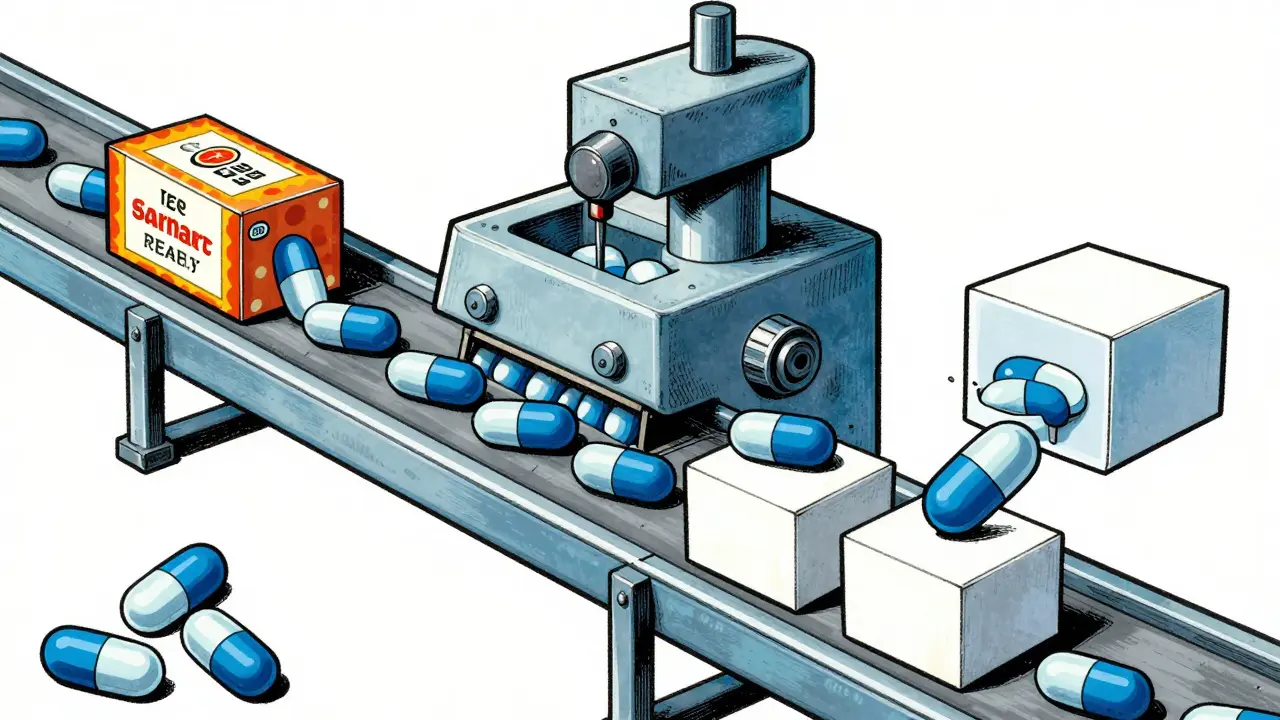
If the pill is the same, why does it cost more than a traditional generic? The answer lies in who sells it. Traditional generics enter the market after patent expiration, creating competition. Many companies bid to make the generic, driving the price way down. An authorized generic is often launched by the original brand company specifically to compete with those bidders without lowering their own internal prices.
Think of it like a luxury car company selling a model with the badge covered up. They still control the supply. Consequently, authorized generic pricing often sits between the full retail brand price and the rock-bottom price of traditional generics. While traditional generics might offer discounts of 80% or more off the brand price, authorized generics might only come in at 20% to 30% off. However, insurance plans often treat authorized generics similarly to traditional generics regarding coverage tiers, meaning your out-of-pocket cost could be significantly lower than paying for the branded box.
Safety Standards and Regulatory Oversight
You might wonder if there is a risk in the lack of separate testing. Actually, the oversight is quite strict. The brand drug has already passed the most stringent tests required by the government to prove it is safe and effective. Since the authorized generic is literally that same batch, it carries the same safety record. The Orange Bookthe official list of FDA-approved drug products published by the US Food and Drug Administration lists approved drugs. Interestingly, authorized generics do not always appear in the listings under their own separate codes because they share the listing with the brand drug.
Research into patient outcomes supports this equivalence. Medical reviews comparing hospitalization rates and adherence found that patients switching to authorized generics had similar stability to those staying on the brand name. Some experts note that the therapeutic equivalence is absolute because the manufacturing process hasn't changed variables that could affect absorption or potency over time.
Why Companies Launch These Versions
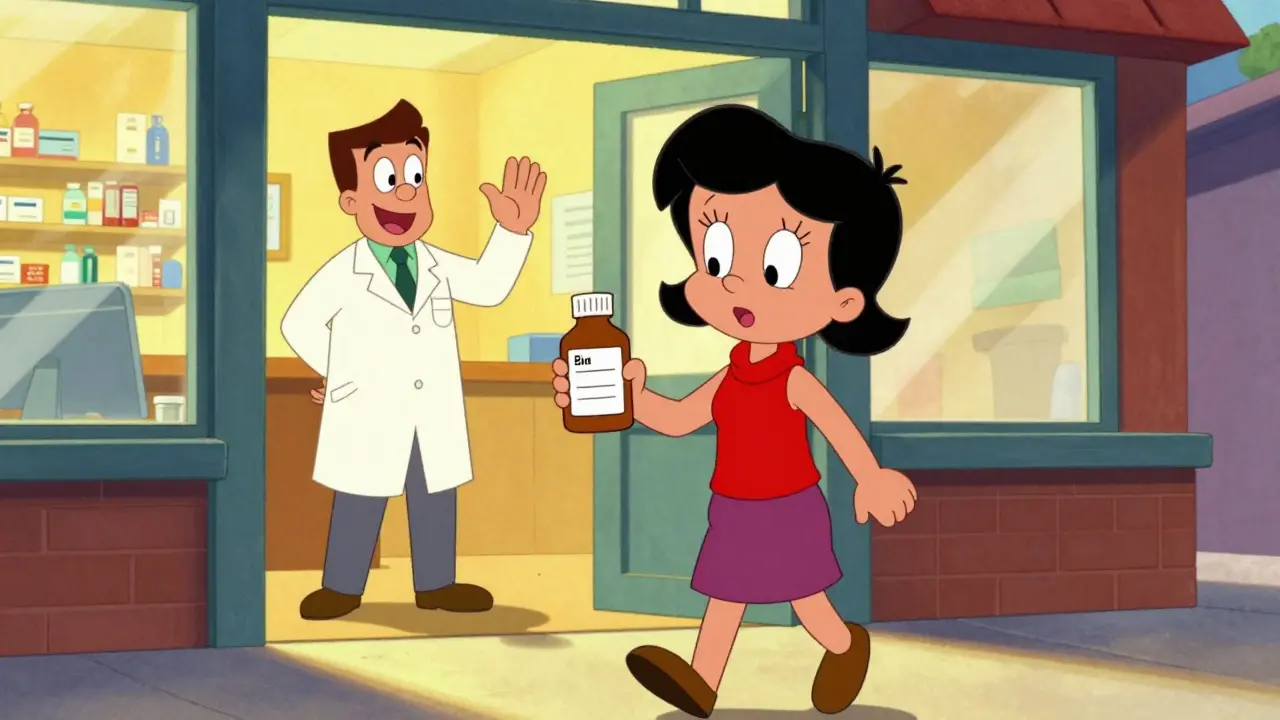
It isn't just a charity play to help patients save money. Big pharma companies use authorized generics as a defensive shield. When patents are about to expire, competitors start building factories to make traditional generics. To stop their profits from crashing, the original maker releases an authorized generic. They flood the market with a non-branded version to capture some of the generic sales volume themselves.
This strategy benefits the consumer in one specific way: choice. Even if the price isn't the absolute floor price available, it provides an option for those who prefer a product from the original source. For pharmacy benefit managers managing insurance formularies, these versions allow them to negotiate better rates with the brand manufacturer, potentially passing those savings to you through copays.
Navigating Your Prescription at the Pharmacy
Getting these specific bottles at your local drugstore can sometimes be confusing. Pharmacists have software systems that default to dispensing whichever version is cheapest and stocked. To get an authorized generic, it often depends on the inventory. Since it shares inventory management with the brand drug, if a store stocks the brand, they likely stock the authorized version, but they must have the right label printed.
If you specifically want the authorized version because of an allergy concern or past experience, do not hesitate to ask. Tell your pharmacist you are looking for the "authorized generic" of a specific brand. If you have trouble getting it consistently, you may need to tell your doctor to specify "dispense as written" or DAW, ensuring the pharmacy knows you want a specific formulation profile. In many states, pharmacists have the autonomy to substitute traditional generics unless marked otherwise, so knowing your terminology helps prevent surprises.
Is an authorized generic safer than a traditional generic?
They are considered therapeutically equivalent. Both types are safe, but authorized generics are identical to the brand name in both active and inactive ingredients, whereas traditional generics might have slight differences in fillers.
Can my insurance cover authorized generics?
Yes, most insurance plans place authorized generics on the same tier as traditional generics, allowing you to pay the generic copay rather than the brand copay.
How do I know if I'm receiving an authorized generic?
The bottle label will show the manufacturer's name but not the brand name. Often, the packaging resembles the brand drug closely, minus the prominent logo.
Are authorized generics listed in the FDA database?
They are marketed under the brand's original approval application, so they do not always have a separate entry code in public databases like the Orange Book compared to traditional generics.
Why would a brand company sell a non-branded version?
They do this to remain competitive when other companies start making their own generic versions, helping to maintain market share and revenue streams.
Amber Armstrong
March 31, 2026 AT 02:50I've been dealing with medication costs for years now and honestly this article broke down exactly what I needed to know. When my pharmacist first switched me to a generic I noticed subtle differences in how I felt during the day, probably because of those inactive ingredients they mention. Having that extra option of the authorized generic being from the exact same facility gives me peace of mind especially since I have sensitivities to certain fillers. It's frustrating that most people don't know this exists until we start experiencing issues or hit the pharmacy counter and see multiple prices for what looks like the same pill.
Calvin H
April 1, 2026 AT 14:06Big pharma's way of making sure we keep paying whatever they want.
Dan Stoof
April 2, 2026 AT 00:38This is amazing!!! Finally someone explained it clearly! 🌟 If your doctor hasn't told you about authorized generics ask!! The savings could be huge!! 💰 Your pharmacist can help figure it out!! So many people don't realize this option exists!! Life-changing information!!
Carolyn Kask
April 2, 2026 AT 13:39America built this system better than any other nation. Our pharmaceutical industry creates innovation that saves lives worldwide. Other countries can't compete with our FDA standards and rigorous testing process. These authorized generics prove American companies understand quality control.
Ruth Wambui
April 2, 2026 AT 16:03The real story nobody tells is that these authorized generics exist because patent expiration threatens billion dollar revenue streams. Same pills sold without the marketing budget means they're just stripping away profits for shareholders. Why does the brand company get special treatment when competitors face stricter scrutiny? Something stinks about this approval shortcut nobody talks about.
Katie Riston
April 3, 2026 AT 00:54We must consider the philosophical implications of choice within healthcare systems. When corporations manufacture both branded and unbranded versions of identical substances we confront fundamental questions about value perception. Consumer psychology drives pricing structures not actual material differences. The marketplace constructs worth through branding exercises rather than intrinsic therapeutic properties. This dynamic reveals how capital flows determine access to essential medications. Understanding this mechanism empowers patients to make informed decisions about their treatment protocols.
Christopher Curcio
April 3, 2026 AT 20:46The pharmacokinetic profile remains consistent across authorized generic formulations which significantly impacts bioavailability parameters. Therapeutic equivalence becomes crucial when we evaluate active ingredient absorption rates alongside excipient variability in standard generic preparations. Pharmacists should recognize dispensing preferences documented through DAW codes ensuring formulation consistency for patients experiencing metabolic variations. Insurance formularies classify these products identically regarding tier placement though manufacturer provenance differs substantially between traditional generic and authorized alternatives.
Jonathan Sanders
April 4, 2026 AT 18:20Another day another penny-pinching scheme to keep us dependent on their product lines. Meanwhile regular people still struggle with copays that eat into rent money while executives collect bonuses.
Brian Yap
April 6, 2026 AT 02:01In Australia we handle this differently but the concept translates well. Down here generic substitution happens automatically unless specified otherwise. Still worth knowing about the authorized option when traveling stateside. Different regulatory frameworks produce interesting outcomes.
Victor Ortiz
April 8, 2026 AT 01:51Most people reading this won't grasp the regulatory framework properly. Authorized generics require complete manufacturing documentation matching brand specifications perfectly. Traditional generics only demonstrate bioequivalence statistically across population samples. The distinction matters tremendously for clinical decision-making processes involving vulnerable patient populations with compromised metabolism.
Vikash Ranjan
April 9, 2026 AT 21:10Actually traditional generics go through more rigorous independent verification than authorized versions sometimes. They need separate FDA approval proving statistical equivalence while authorized ones bypass this step entirely sharing the original application. Seems backwards doesn't it?
Jonathan Alexander
April 10, 2026 AT 18:21My experience showed me that insurance covers these differently across regions creating confusion at checkout counters nationwide. Sometimes the authorized generic gets classified as brand tier costing substantially more despite appearing identical visually. Always check before leaving the pharmacy if cost matters significantly to your monthly budget constraints.
Adryan Brown
April 11, 2026 AT 21:27Everyone deserves access to affordable medication regardless of income levels or insurance status. Finding ways to reduce healthcare costs benefits families struggling financially during difficult economic times. Healthcare providers should guide patients toward options maximizing both safety considerations and financial sustainability. Open dialogue between doctors, pharmacists, and patients prevents misunderstandings about formulation differences affecting treatment outcomes positively.
Angel Ahumada
April 12, 2026 AT 04:51The masses never understand true quality distinctions. Only those with refined palates recognize authentic pharmaceutical excellence. Common folk will squander their health pursuing bargain bins instead of premium formulations designed for discerning practitioners.
Michael Kinkoph
April 12, 2026 AT 05:21Clearly the uninformed public requires proper education regarding pharmaceutical hierarchies! Quality assurance protocols distinguish superior products from commodity alternatives! Those prioritizing genuine therapeutic results select appropriate formulations carefully! Educational discourse should precede purchasing decisions!