Pharmaceutical Waste: How Medications End Up in Landfills and What It Means for Your Health
When you flush an old pill or toss expired medicine in the trash, you're contributing to pharmaceutical waste, unused or discarded medications that enter the environment through improper disposal. Also known as drug pollution, this is one of the fastest-growing environmental health issues you’ve never been taught about. It’s not just about cluttered medicine cabinets—it’s about chemicals seeping into rivers, drinking water, and even the fish you eat.
Drug disposal, the process of safely getting rid of unused medications is rarely done right. Most people still flush pills or throw them in the garbage, even though the EPA and FDA warn against it. Hospitals, pharmacies, and nursing homes generate massive amounts of this waste too—think unused chemotherapy drugs, leftover antibiotics, or expired insulin. These aren’t harmless leftovers. They contain active chemicals designed to change how your body works, and when they leak into soil and water, they don’t just disappear. Studies have found traces of antidepressants, birth control hormones, and painkillers in drinking water supplies across the U.S. and Europe. Wildlife is affected too: fish developing female traits near wastewater outlets, birds confused by altered behavior from drug-laced insects.
Medication safety, the practice of using and storing drugs correctly to avoid harm doesn’t end when you stop taking a pill. It includes knowing how to dispose of it properly. Yet, most people don’t know where to take old meds. Take-back programs exist, but they’re underfunded and hard to find. Pharmacies that accept returns are rare outside major cities. And even when you do drop off pills, not all facilities can destroy them safely—some just incinerate them, which releases toxins into the air. Meanwhile, the problem keeps growing. More prescriptions are written than ever, more people are on multiple drugs, and aging populations mean more unused medications sitting in drawers.
This isn’t just an environmental issue—it’s a public health one. When antibiotics end up in water, they can help create drug-resistant superbugs. When hormone-based drugs enter ecosystems, they disrupt reproduction in wildlife and possibly humans. And when people see pills thrown away casually, they start thinking it’s normal to misuse or overuse meds. That’s why environmental health, the study of how chemicals and pollutants affect human and ecological well-being is now part of pharmacy training. It’s also why some states are requiring pharmacies to offer free take-back bins.
What you’ll find in the articles below isn’t just theory. It’s real stories and data from people who’ve seen the effects firsthand—from pharmacists managing drug shortages to hospitals dealing with ethical dilemmas when meds run out. You’ll learn how improper disposal ties into bigger problems like opioid waste, antibiotic resistance, and the hidden cost of cheap generics. This isn’t about guilt. It’s about awareness. And if you’ve ever wondered what happens to that bottle of pills you didn’t finish, the answers are here.
 30 Nov 2025
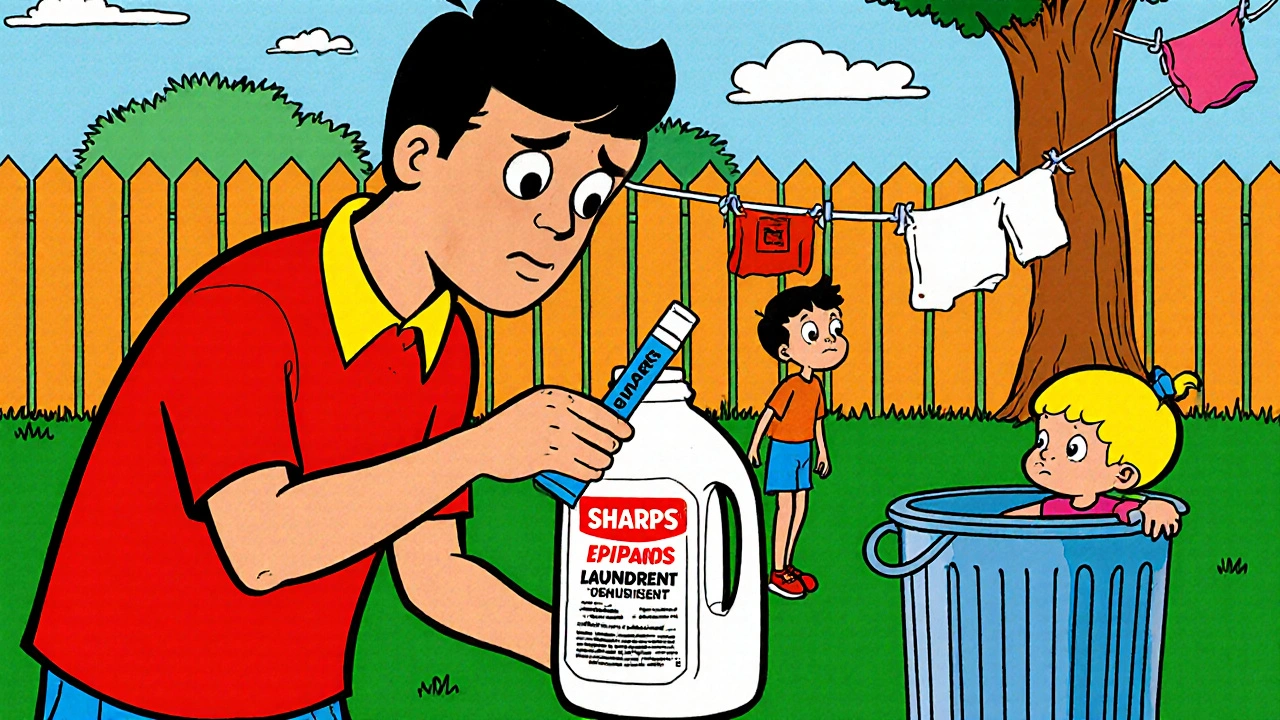
Learn how to safely dispose of expired EpiPens, inhalers, and medicated patches to prevent accidental poisoning, environmental harm, and misuse. Follow step-by-step guidelines backed by FDA, DEA, and medical experts.
View More
